Opening Speaker
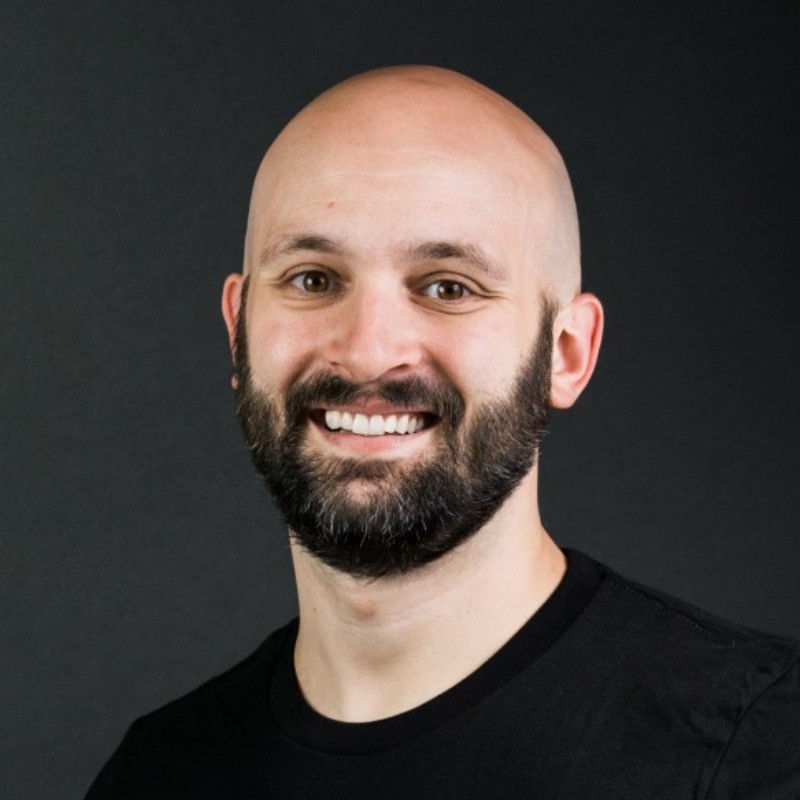
Dean Serrentino (Historiq/US)
Amplifying the Archivist: Faster Arrangement and Description Through Archivist-Centered Technology
What if technology could make archival processing dramatically faster—not by replacing archivists, but by amplifying their expertise? This presentation explores an innovative, archivist-centred workflow combining AI, speech recognition, mobile tools and on-demand label printing to capture knowledge directly while working with collections. Drawing on real-world projects that achieved processing-time reductions of more than 90%, it shows how technology can transform traditional workflows while preserving professional judgment, contextual understanding and physical care. The result is a new model for archival processing: faster, richer and more scalable—helping institutions tackle backlogs, accelerate digitization and unlock access to collections at an entirely new scale.
Suren Abrahamyan
Max Communications
United KingdomQuality Control at the Point of Capture: Software Tools for Digitisation
Bio
Suren has a background in Classical History from King’s College London and has worked in heritage digitisation for over 10 years. During this time, he has been involved in major digitisation programmes including the 1921 Census, Kew Herbarium and the Royal Collection, and has worked with organisations including The National Archives, Imperial War Museums, the V&A and the National Gallery. He is currently Chief Operating Officer at Max Communications, overseeing operational and commercial activities across the business. Alongside this, he is spearheading Max’s continued growth in the United States and mainland Europe, working with cultural heritage institutions to develop and deliver large-scale digitisation programmes.
Abstract
Heritage digitisation depends not only on efficient capture, but on identifying quality issues as early as possible. Problems with lighting, exposure, focus, file naming or capture settings can be relatively simple to correct at the point of digitisation, but significantly more disruptive when discovered later in a production workflow. This lightning talk will introduce several software tools developed by Max to bring quality assurance closer to the point of capture and provide operators with immediate, practical feedback. A new calibration tool analyses lighting uniformity and exposure across the captured image. Rather than requiring operators to interpret calibration measurements manually, the software provides a visual representation of areas that pass, are borderline or fail. More detailed views provide cell-by-cell information and high-resolution gradient mapping, helping operators identify where adjustments to lighting or camera configuration are required. Focus Watcher takes a similar approach to image sharpness. The software monitors a camera’s output directory and analyses captured images using high-contrast areas and edge detection to identify potentially soft images. Development has demonstrated that acceptable tolerances vary between camera systems and different types of material. Reference targets, including the Golden Thread object-level target and Edmund Optics USAF test patterns, are therefore used to establish more consistent benchmarks. The talk will also introduce Helios, Max’s internally developed capture software. Originally designed to control up to six cameras simultaneously, Helios incorporates functions including barcode detection, structured file naming, counters, tagging and other capture controls within a single interface. Together, these developments explore a simple principle: quality control is most effective when problems can be identified and corrected while the material is still in front of the operator. The lightning talk will demonstrate how relatively focused software interventions can reduce downstream corrections, improve consistency and support more efficient large-scale digitisation workflows.
Tobiáš Max Balaš
FIT CTU in collaboration with National Archives in Prague
Czech RepublicArchiquiz – How can archives become engaging without sacrificing their authenticity?
Bio
The Archiquiz team consists of three third-year Bachelor’s students from the Faculty of Information Technology at Czech Technical University in Prague (FIT CTU / FIT ČVUT). The project was led by Lenka Salingerová, who is specializing in IT management and took the role of a Team Leader, alongside Tobiáš Max Balaš as a Chief Software Architect of the project and Filip Bečička, both of whom specialize in Software Engineering.
Abstract
While the digitisation of historical records has made millions of documents globally accessible, engaging the general public remains a persistent challenge. Non-specialists often do not go to archives to look for something just for fun. To bridge this gap, a team at the Faculty of Information Technology at Czech Technical University in Prague (FIT CTU) developed Archiquiz, an interactive, gamified platform designed to bring archival data to the public (especially the younger generation), introducing them to the work of an archivist and increasing interest in the field of archiving._x000D_ _x000D_ The project began as a university semester assignment (guided by Ing. Jiří Chludil) in collaboration with the National Archives of the Czech Republic in Prague (represented by Mgr. Martin Rechtorik). Archiquiz transforms static historical documents into interactive quizzes. The platform offers three difficulty levels – from beginners to expert researchers – together with multilingual support. Rather than functioning as a standalone quiz application, Archiquiz is designed as an outreach platform operated by archival institutions. Each question is linked to authentic archival material and directs users to the corresponding records in the archive’s digital research room, turning every question into a starting point for historical research and exploration. To incentivize continuous interaction, each user builds their own “Personal Archive” by collecting digital copies of authentic archival documents – offering a meaningful reward system built on historical heritage._x000D_ _x000D_ Operating at the intersection of software engineering, public outreach and educational ethics, Archiquiz incorporates data privacy, planned safety features (child-friendly content filters for sensitive historical records) and compliance with the Czech Government web design standards (gov.cz), with future updates planned to improve visual accessibility._x000D_ _x000D_ This presentation shares the journey of Archiquiz – from initial concept, analysis and proposal through implementation – al
Mark Barnekow
Joseph Glasco Charitable Foundation
United StatesWho Will AI Remember? Rebuilding Joseph Glasco’s Knowledge Graph
Bio
Mark Barnekow is President of the Joseph Glasco Charitable Foundation in Dallas, Texas, which stewards approximately 900 works by the American Abstract Expressionist painter Joseph Glasco and the documentary record of his life and career. He is also founder of Hong Kong–based Amphora Analytics. Previously a Silicon Valley technology entrepreneur and CEO for more than twenty years, he most recently served as Executive Director of the University of Chicago’s campus in Hong Kong. Fluent in Mandarin Chinese, he has built and led organizations across the United States and Asia. His writing in AI at Altitude examines human-led AI, institutional judgment, and the systems that determine what machines can know and whom they will remember. The Glasco reconstruction is his working laboratory for those questions.
Abstract
Joseph Glasco (1925–1996) was once among the most visible young American painters of his generation, with work entering the collections of the Museum of Modern Art, the Whitney Museum of American Art, and the Museum of Fine Arts, Houston. Decades after his death, the digital record through which researchers—and now AI systems—encounter him had fragmented across museum databases, authority files, commercial platforms, Wikidata, and the open web. He had not disappeared from art history. He was disappearing from the infrastructure machines use to find him. This presentation reports on how the Joseph Glasco Charitable Foundation—a small foundation stewarding roughly 900 works and the artist’s documentary archive —spent months reconstructing that record with multiple AI tools. What began as an attempt to improve the artist’s Wikipedia presence and establish the Foundation’s website as an authoritative, evidence-based source on Glasco led the Foundation into Wikidata and became a practical education in how cultural authority is created, verified, and contested. The Foundation reconciled identifiers across international authority systems, replaced numerous secondary references with museums’ own artist and object records, and saw its work challenged, corrected, and ultimately strengthened by Wikidata’s volunteer community. The hardest lesson was subtraction. A museum holding documented in the Foundation’s private records had to be removed from the public knowledge graph because no publicly accessible source verified it. A trustworthy machine-readable record cannot simply be asserted by the organization that stewards an artist’s legacy. Even a true claim must be publicly verifiable, and institutional prestige does not make it so. The case offers a transferable model. Small foundations that missed earlier waves of expensive collection-management systems and mass digitization can now leapfrog into the AI age through linked open data, authority reconciliation, and AI-assisted research—without major technological investment, but not without sustained human judgment and labor. More importantly, connecting previously isolated records can reveal relationships and histories that no individual archive could expose on its own. The project therefore poses a question the field will have to answer: as AI increasingly mediates cultural discovery, who shapes the knowledge graph through which an artist becomes legible to machines—and how will important artists of the past be found if their records remain fragmented, unverified, or invisible?
Filip Bečička
FIT CTU in collaboration with National Archives in Prague
Czech RepublicArchiquiz – How can archives become engaging without sacrificing their authenticity?
Bio
The Archiquiz team consists of three third-year Bachelor’s students from the Faculty of Information Technology at Czech Technical University in Prague (FIT CTU / FIT ČVUT). The project was led by Lenka Salingerová, who is specializing in IT management and took the role of a Team Leader, alongside Tobiáš Max Balaš as a Chief Software Architect of the project and Filip Bečička, both of whom specialize in Software Engineering.
Abstract
While the digitisation of historical records has made millions of documents globally accessible, engaging the general public remains a persistent challenge. Non-specialists often do not go to archives to look for something just for fun. To bridge this gap, a team at the Faculty of Information Technology at Czech Technical University in Prague (FIT CTU) developed Archiquiz, an interactive, gamified platform designed to bring archival data to the public (especially the younger generation), introducing them to the work of an archivist and increasing interest in the field of archiving._x000D_ _x000D_ The project began as a university semester assignment (guided by Ing. Jiří Chludil) in collaboration with the National Archives of the Czech Republic in Prague (represented by Mgr. Martin Rechtorik). Archiquiz transforms static historical documents into interactive quizzes. The platform offers three difficulty levels – from beginners to expert researchers – together with multilingual support. Rather than functioning as a standalone quiz application, Archiquiz is designed as an outreach platform operated by archival institutions. Each question is linked to authentic archival material and directs users to the corresponding records in the archive’s digital research room, turning every question into a starting point for historical research and exploration. To incentivize continuous interaction, each user builds their own “Personal Archive” by collecting digital copies of authentic archival documents – offering a meaningful reward system built on historical heritage._x000D_ _x000D_ Operating at the intersection of software engineering, public outreach and educational ethics, Archiquiz incorporates data privacy, planned safety features (child-friendly content filters for sensitive historical records) and compliance with the Czech Government web design standards (gov.cz), with future updates planned to improve visual accessibility._x000D_ _x000D_ This presentation shares the journey of Archiquiz – from initial concept, analysis and proposal through implementation – al
Alexander Boix
Archive of Social Democracy
GermanyBeyond the Scan: Challenges in Quality Assurance and Preservation of Digitized Audiovisual Materials
Bio
As an archivist at the Archive of Social Democracy (AdsD), I am responsible for the archive’s film, video, and audio collections. Since 2022, I have also been leading a project to modernize and expand the AdsD’s storage facilities. After several years working as an audiovisual technician in the broadcasting sector, I studied Classical Archaeology, Ancient History, and Egyptology at the University of Bonn. I joined the Archive of Social Democracy in 2013, initially focusing on personal papers before shifting my work towards audiovisual media and other non-textual collections. Since then, I have specialized in the preservation, digitization, and archival management of the audiovisual heritage of the German labour movement.
Abstract
The Archive of social Democracy (AdsD) preserves the audiovisual heritage of the German Social Democratic labour movement in a collection comprising more than 5,000 film reels, 25,000 videotapes, and 30,000 audio recordings. However, chemical deterioration of analogue carriers and technological obsolescence pose an increasing threat to these holdings. In response, AdsD has significantly expanded its preservation activities in recent years, including the launch of a large-scale audiovisual digitization project in 2024. Over the course of two years, more than 1,000 film reels, 2,500 videotapes, and 6,000 audio recordings will be digitized. For a medium-sized archive whose core focus lies on traditional paper-based records rather than audiovisual collections, the project has presented significant challenges—not only because of its scale, but also due to limited staff and technical resources. This paper will illustrate that the greatest challenges did not arise from digitization itself, but from the surrounding workflows of appraisal and prioritization, quality control, and digital preservation. The selection of source materials required a pragmatic balance between historical significance, physical condition, and available resources. Even more demanding than anticipated was the quality assurance process: extensive verification procedures and long computational processing times demonstrated that a predominantly manual workflow does not scale efficiently to projects of this size. At the same time, the investment in quality control proved worthwhile, as it revealed subtle errors that would otherwise have remained undetected. To address these challenges, existing open-source tools were combined with simple, custom-developed batch scripts that automate key quality assurance tasks. In parallel, a workflow engine is currently being implemented to orchestrate the entire post-digitization process—from data transfer and quality control to the creation and long-term preservation of Archival Information Packages (AIPs). Drawing on practical experience from an ongoing large-scale digitization project, the paper discusses challenges, misconceptions, and lessons learned. It aims to provide practical insights for small and medium-sized archives seeking to scale quality assurance and workflow automation using open-source tools and limited resources.
Martina Bolom Kotari
Time Machine Česko + Rodinný archiv
Czech RepublicReconstructing Local History as a Collaborative Endeavour: The Broumov Region and the Village of Křinice
Bio
Martina Bolom Kotari is a Czech historian and archivist who also worked as a university lecturer for more than twenty years. Her main research interests include auxiliary historical sciences and ecclesiastical history. She first became involved in research in the Broumov region as the principal investigator of a major national research project entitled The Gate of Wisdom Open: The Baroque Cultural Heritage of the Broumov and Rajhrad Monasteries, focusing on the study of the Baroque library of the Benedictine monastery in Broumov (the results are available at www.branamoudrosti.cz). In recent years, she has served as the leader and supervisor of several follow-up projects mapping the lost and vanished history of the Broumov region, supported by the Czech-German Future Fund. She has long been active in the international organisations ICARUS and Time Machine, which promote international and interdisciplinary cooperation in the preservation and accessibility of cultural heritage. She also develops these activities through the Time Machine Česko association, based in Broumov, and through the private company Rodinný archiv (Family Archive).
Abstract
The Broumov region lies in the north-eastern Czech Republic, close to the Polish border. Its centre is the town of Broumov, surrounded by smaller municipalities, including the village of Křinice. Settlement in the region dates back to the thirteenth century, when colonisation was initiated by the Benedictine order, and is affected by the order until today. The twentieth century brought profound changes, particularly during and after the Second World War. The original German-speaking population was expelled and gradually replaced by newcomers from various parts of Czechoslovakia, most of whom had no previous connection to the area and its history. These events significantly affected the landscape, local life, and the continuity of collective memory. In reconstructing the region’s history, our aim is to go beyond a purely academic contribution. We seek to employ all available sources, methods, expertise, and technological tools. We do not approach local communities as outside experts claiming to possess the definitive truth or to determine how the past should be understood. Instead, we offer our knowledge and experience, our commitment to the subject, access to modern technologies, and our professional and personal networks. We began our activities in the village of Křinice, located approximately two kilometres from Broumov, situated on an old pilgrimage route leading from Silesia into Bohemia. Our long-term goal is to develop this work into a local Time Machine project. The project brings together professionals—including archivists, museum professionals, and historians—with current residents, local government representatives, members of local associations, former inhabitants, and their descendants. We work with a broad range of sources: archival documents and private records; oral histories and memories of witnesses; maps; photographs and other visual materials; as well as material evidence such as everyday objects; surviving buildings and architectural elements. The landscape itself and its transformations over time are also important historical sources. We not only analyse these sources but also make them accessible to everyone interested in the region’s history. Using existing digital tools such as Topothek, we intend to create and bring new approaches responding to the needs of the contemporary community. Through lectures, publications, and short videos, we share our findings and encourage local people to become active participants in reconstructing their own history. Several of our activities already illustrate this approach. We have contacted current owners of former farmsteads and other historic properties in order to gather information about their history and transformation. Based on the evidence collected, we have created the first 3D reconstructions of several significant buildings that have since disappeared from the landscape. In the near future, we plan to undertake a comprehensive study and digital processing of a unique local urbarium, combining different research methods with the full range of sources described above. The approach is therefore not a one-off event designed merely to attract attention. It is a gradual, participatory process of reconstructing local memory, aimed not only at deepening knowledge of the past but also at strengthening the local community’s sense of identity, belonging, and pride in its history.
Peer Boselie
AEZEL.eu
NetherlandsThe donkey-project ‘revisited’
Bio
CV Peer Boselie Peer Boselie was born in Eindhoven (Netherlands) in 1958 and studied as an archvist theology and church-history. He worked as director of city-and regional archives and the Euregional Historic Centre Sittard-Geleen. He is now pensioned and president of Icarus4all.
Abstract
In 2015, during the ICARUS-convention #15 in Brevnov-abbey, Peer Boselie, then director of the Euregional Historic Centre in Sittard-Geleen (NL) presented the ongoing AEZEL-project. (AEZEL means ‘donkey’ in the Sittard dialect). A huge project, started in 2008, in which historical mass-data is integrated within a cadastral context. In fact a ‘time machine’ avant la lettre, quite similar to the Venice Time Machine, that was presented at the same convention by Frédéric Kaplan. The AEZEL-project started as an idea to georeference the history of Sittard-Geleen and part of its region, In 2016, there was already a lot of data available, and there were ideas how to present them online, but it took another five years for AEZEL to be able to be seen by ‘the world’. AEZEL is not invented by scientists and it is not a university-project or a project of a (very) big institution. In fact, the idea came from one of the volunteers of the relatively small archives of Sittard-Geleen. The archives adopted it, facilitated it and expanded it. The number of volunteers grew to 70. Then other archives, historical societies and individuals joined and over 200 volunteers added data, scanned, transcribed, vectorized and georeferenced. Many of the volunteers are people with a litle ‘rucksack’ so the project also has a social component. Hundreds of thousands of hours of work are put into the (never ending) project. Ten years later it is time to revisit AEZEL. The overall ‘low-budget’ project is now a national example in the Netherlands and abroad, The success is enormous: not only Sittard-Geleen and its region, but the entire province of Limburg (about six times the surface of Paris) is now presented online, where possible to its (scanned) original dataset. Limburg’s original cadastral history ánd every person that lived there between 1550 and 1950 can be found online. Several cadastral ‘layers’ and many stories are added. Thousands of visitors from all over the world result in several millions of pageviews every year. The way the AEZEL-project has been realized, with little money, but a lot of ‘community-sourcing’ is interesting and was very successful, but is it only a success-story? No. Are there lessons to be learned? Yes. For instance: how did the scientific world react to this project, and how did volunteers react when the government and universities finally started to take the project seriously? What miscommunications became visible? How can this donkey survive and flourish in the future? And at the same time: what enormous potential for further connection and contextualization is lying ahead?
Mark Bragg
FamilySearch
United StatesWelcome Round Table of DTI Alliance Partners (reflecting on opening impulse)
Bio
Elder Mark A. Bragg is a General Authority Seventy of The Church of Jesus Christ of Latter-day Saints and serves as the Chairman of the Board for FamilySearch International. Before his full-time church service, he had a successful career in banking and finance as an executive with Great Western Bank and Bank of America. He and his wife, Yvonne King, have four children, and he frequently emphasizes the sacred importance of preserving family history and historical records across generations.
Emerson Bryan
Cayman Islands National Archive
Cayman IslandsFrom Paper to Public Value: The Experience of Digitizing Public Records in Barbados
Bio
Emerson Bryan is an executive information management professional with extensive Caribbean and international experience in records and information management, archives, information governance, digitization, privacy and digital transformation. He has served as Technical Director of the Government of Barbados Digitization Centre, where he supported the implementation of digitization and digital records management under the Inter-American Development Bank-funded Public Sector Modernization Programme (BA-L1046). His career includes senior information management roles across the Caribbean, including government, international development and technology environments. Emerson is a Certified Archivist, a Certified Information Professional, and is currently the Senior Records and Research Analyst/Information Manager with the Cayman Islands National Archive, and is published author and active professional contributor focused on strengthening information governance, digital preservation and public-sector transformation.
Abstract
Public-sector digitization is often presented as a technology project. Barbados’ experience under the Inter-American Development Bank (IDB)-financed Public Sector Modernization Programme (PSMP), Loan BA-L1046, demonstrates that the digitization of public records is equally a governance, operational, people and change-management challenge. This presentation presents the practical experience of establishing the Government of Barbados’ Digitization Centre and the lessons emerging from its pilot digitization programme. Under this project, implementation of a Digital Document and Records Management System, including the digitization of paper-based records, formed part of Component 1: Government digital transformation and service quality improvement. The initiative was intended not simply to convert paper into digital images, but to support more effective government, improved service delivery and the development of public-sector capability for a digital economy. The paper examines the approach adopted to translate this strategic objective into an operating model. As Technical Director of the Digitization Centre, the author led and supported activities covering records inventory, document preparation and reconstitution, scanning, indexing, data transfer, quality assurance, security, stakeholder engagement, vendor management and operational governance. A central outcome was the development of an Operational Manual supported by preparation guidelines, project-scoping tools, production procedures, metadata guidance, an EDRMS and image-ingestion manual, information governance and security frameworks, training requirements, quality-management guidance and job-level production controls. The experience was tested through a vendor-led pilot undertaken from June to September 2021 involving 3,049 public service files. The pilot provided an important evidence base for determining how the Digitization Centre could operate and revealed practical issues frequently underestimated in large-scale digitization progammes. These included difficult document types, rescanning, OCR, metadata requirements, personnel onboarding and training, environmental constraints, and disruption caused by severe weather, flooding and interruptions to electricity and water services. The paper argues that sustainable public-records digitization requires an integrated model in which technology is embedded within records management, information governance, quality assurance, information security, business continuity, workforce development and change management. It highlights the importance of treating the physical record and its digital surrogate as part of an end-to-end process, including controlled movement of files, preparation, capture, indexing, quality control, ingestion into the EDRMS and appropriate post-processing custody. The Barbados experience offers practical lessons for governments and archives seeking to move from isolated scanning projects to sustainable digitization services. It demonstrates that successful transformation depends on clear governance, standards-based workflows, appropriately skilled people, measurable quality controls, stakeholder ownership and the capacity to learn from pilots and adapt implementation. The paper concludes with a practical framework of lessons for institutions planning national or government-wide digitization programmes, particularly in small states where resources, skills, infrastructure and climate-related risks must be managed strategically.

Mae Lanie Caro
University of the Philippines Diliman
PhilippinesFrom Viewing to Participation: Designing Interactive Digital Archival Experiences for Community Engagement
Bio
Mae Lanie M. Caro is a librarian at the University Archives Division of the University Library, University of the Philippines Diliman, and is currently pursuing a Master of Library and Information Science at the Philippine Normal University. She is a Registered Librarian, a Licensed Professional Teacher, and a member of the International Council on Archives (ICA). Her work focuses on making archival collections more accessible and meaningful through digitization, online exhibits, research support, and community engagement. Additionally, her interests include archival digitization, digital preservation, utilization of AI in Archives, and using archives to connect people with UP history, support local research, and inspire learning. She looks forward to collaborating with archivists, librarians, and cultural heritage professionals to exchange ideas and explore innovative approaches that strengthen the impact and accessibility of archives.
Abstract
Archives create meaningful connections when they encourage people not only to access historical records but also to actively engage with them. As the University Archives Division of the University of the Philippines Diliman continues to operate from a temporary location during the ongoing renovation of the University Library, opportunities for physical exhibitions and community outreach remain limited. These circumstances prompted the University Archives to reimagine archival outreach by developing digital initiatives that extend access to its collections while fostering meaningful public engagement. In 2026, the University Archives launched an interactive approach to its annual online exhibit, Institutional Memory in Stone: Honoring the Names Behind the UP Diliman Buildings (Part 1). To complement the exhibit, the Archives developed The Vault Breaker: Can You Decode the UP BUILDINGS Exhibit?, an online quiz that invited participants to explore the exhibit, answer questions based on its content, and discover the stories behind the distinguished individuals commemorated in buildings around the UP Diliman Academic Oval, guided by Persia, the University Archives’ cat. Rather than serving as a supplementary activity, the interactive quiz became an educational strategy that transformed passive viewing into active participation and inquiry-based learning. This presentation demonstrates how integrating interactive learning activities into digital archival exhibitions can strengthen archival outreach by encouraging audiences to explore, interpret, and engage more deeply with documentary heritage. By combining digital storytelling, accessible technologies, interactive learning, and incentive-based participation, the initiative fostered curiosity, promoted institutional history, and created more meaningful opportunities for community engagement. The presentation examines the planning, implementation, and lessons learned from this initiative and argues that digital archival exhibitions can evolve beyond information-delivery platforms into participatory learning environments. The experience of the University of the Philippines Diliman University Archives demonstrates how simple, low-cost, and replicable digital strategies can enhance public engagement, strengthen connections between archives and their communities, and inspire new approaches to interpreting and sharing institutional memory.

Domagoj Čičko
State archives in Zagreb
CroatiaCoping with construction documentation – challenges and possibilities
Bio
Domagoj Čičko has been working in the State Archives in Zagreb for seven years as archivist. Currently he’s heading the Department for Arranging and Processing of Archival Holdings. He studied history on the Faculty of Humanities and Social Sciences of the University of Zagreb. His main research interests include history of public governance, archival holdings of political organizations and publication and presentation of archival holdings. In his role as the head of the Department he has coordinated various projects of digitization in partnership with different research institutions. He participated in the InterPares Summer School 2024 and presented his work at ICA 2025 Congress, as well as other conferences.
Abstract
Collection of construction documentation is one of the bigger fonds/collections in the State archives in Zagreb and, by far, the most used one by users of the Archives. The collection spans a period from 1850 to 1967, in which Zagreb has undergone a huge urban expansion from small provincial town of under 50 000 people to modern city of 700 000 inhabitants. In State archives in Zagreb currently is under way the project of thorough revision of said collection, that includes research of construction documentation in order to precisely identify current objects in Zagreb and to relate them to archival holdings, as there have been more or less significant changes both in urban development and planning, as well as cadastral plans. Furthermore, State Archives in Zagreb is currently participating in a collaborative project with Faculty of Civil Engineering of University of Zagreb that focuses on digitization of archival holdings concerning buildings and construction in Zagreb city center. Digitized material is then used for various purposes of Croatian Center for Earthquake Engineering, which was established in 2021 following a series of earthquakes that occurred in Croatia in 2020. The center supports numerous processes after earthquakes, directs scientific research in accordance with identified needs, connects with other earthquake centers and initiates preventive actions related to future earthquakes. The goal of this presentation is to present said collaborative project, as well as the workflow it includes, both for the State Archives in Zagreb and the Faculty of Civil Engineering. It will also be shown in which ways and for which purposes digitized holdings are used. Moreover, this project serves as a sort of testing ground for digitization of the whole Collection of construction documentation, which is the definitive goal after its revision is completed. It remains to see what future possibilities will arise after completing the revision and the digitization of the Collection.
Catherine Cosgrove
Findmypast/The British Newspaper Archive
ScotlandBeyond Digitisation: Building and Sustaining the British Newspaper Archive
Bio
Catherine Cosgrove is Head of Digitisation and Content Publishing Operations at Findmypast. She has spent more than 16 years working on the British Newspaper Archive in partnership with the British Library, helping to transform millions of historic newspaper pages into a continually growing digital resource. Her work focuses on large-scale digitisation, content publishing and long-term operational partnerships. She has a particular focus on the responsible adoption of new technologies and approaches that enhance the accessibility, sustainability, and long-term value of cultural heritage collections.
Abstract
Digitisation projects are often measured by pages scanned and judged complete once a target is met. The British Newspaper Archive, developed since 2010 through a public-private partnership between the British Library and Findmypast, tells a different story: what began as a digitisation initiative to digitise 40 million newspaper pages over 10 years, has become an ongoing publishing operation. It now publishes around 250,000 new images each week across an ever-growing collection of over 100 million pages from almost 3,000 titles. Sustaining a resource at this scale means the work does not end at publication. This presentation shares strategic and operational lessons from managing the Archive and the partnership over sixteen years, tracing how its priorities have shifted from volume to resilience and long-term value. It examines the activities that keep an archive alive, including prioritising what to digitise next as the collection matures, managing rights across thousands of titles, and improving metadata and OCR quality in response to how researchers actually use the material. This presentation reflects on which of these areas has proven most consequential to the archive’s continued relevance. Drawing on this commercial experience, the presentation offers practical insights for organisations building sustainable digitisation partnerships, arguing that lasting value depends as much on governance and collaboration as on digitisation itself.

Martin Critelli
Aix-Marseille University
FranceNavigating the shift: redefining the archivist’s role in the age of Artificial Intelligence
Bio
Martin Critelli is a postdoc at Aix-Marseille University in the field of Records Management and Archival Studies, working on the subject of personal archiving. He holds a Ph.D. in Digital Humanities, specializing in archival studies, from the University of Macerata. His research concerns the application of machine and deep learning techniques for automatic knowledge extraction in the cultural heritage domain, particularly archives. Among his different research interests, he works on the applications of the IIIF (International Image Interoperability Framework) for the archival domain, metadata, archival descriptions, and long-term preservation. In his young career, he has widely recognized international participation in events, conferences, research groups, and research fellow positions. His works have been published in different Italian and international journals.
Abstract
Nowadays, technological progress and ongoing developments in Artificial Intelligence (AI) represent a fundamental shift in research practices, contributing to the redefinition of methodologies across domains. Indeed, the availability of AI-based tools enables scholars and professionals to move beyond manual labor and limitations, performing accelerated and automated analyses (European Commission 2019). With the aim of creating increasingly trustworthy and accurate systems, developers require vast amounts of data (groundtruth) for training purposes. In Europe, as well as at a broader international level, concerns are prominent regarding how data is initially collected and subsequently utilized, as illustrated by the AI Act (European Commission 2024), UNESCO Recommendation on the Ethics of Artificial Intelligence (2022), and the US National Artificial Intelligence Initiative Act (2020). These frameworks collectively underscore the necessity for heightened technological literacy and cross-sector cooperation to guarantee a “trustworthy” (European Commission 2024) application of AI across sensitive fields. In this scenario, archives represent a valuable source of knowledge, comprising texts, images, and audiovisual material that could be used for training AI-based systems. Considering the sensitive and private information contained within archives, the mishandling of such material raises ethical and social issues that could affect individuals, communities, and society as a whole. Navigating these challenges requires a profound evolution of the archivist’s professional identity, moving from a traditional custodian to an indispensable ethical mediator between raw historical records and AI systems. This study intends to investigate the extent to which archivists are integrated into the development of these technologies. In particular, this work analyzes the role of archivists in data curation and the skills and necessary know-how to ensure the ethical and effective use of AI tools with archival documents. To this end, this work emphasizes the importance of collaboration with technical and technological professional figures to optimize the development and training of AI-based systems. This collaboration is crucial for the curation of “trustworthy” and “bias-free” training datasets, which serve as the necessary preparatory operations for functional AI systems. Given their specialized expertise in managing sensitive information and the legal integrity of archives (International Council on Archives 1996), archivists are uniquely positioned to oversee how these materials are repurposed for machine learning. Their intervention is a prerequisite for mitigating the systemic biases often inherent in algorithmic processes (Obermeyer et al. 2019) and ensuring that historical materials are utilized in accordance with their original context and regulatory requirements. By fostering a deep, multidisciplinary collaboration between archivists, technicians, and AI experts, the field can safeguard the long-term legal and historical value of records. This groundwork is essential for ensuring that the integration of AI technologies not only transforms archival practice but does so in a manner that provides robust, equitable, and ethically sound access to knowledge.

Letizia Dalle Vedove
Fondazione Bruno Kessler (FBK) https://www.fbk.eu/it/
ItalyMapping Landscape Transformations: A Deep Learning Pipeline for Vectorising Historical Land Use from the Austrian Cadastre of Trentino (Italy)
Bio
My academic career started with a degree in Landscape Archaeology at the University of Siena, a specialisation that investigates the long-term relationship between human societies and their environment, with a particular emphasis on geospatial analysis. My interest in the digitisation of paper resources dates back to my master’s thesis, in which I studied the mining activities of the communities of Mount Amiata (Tuscany) over the long term. Field research was supplemented by archival research: many of the sources were paper maps held in local archives, which I then digitised, georeferenced and vectorised to make them available in a GIS environment. Following my master’s degree, I decided to deepen my interest in the field of topography and environmental geography by enrolling in a second-level master’s degree in GIScience and Remote Sensing at the University of Padua, which provided me with more solid technical skills applicable across various fields, combining geospatial analysis with foundational programming and database management. In the meantime, I had begun to develop an interest in the world of academic research and, after collaborating with the University of Siena on two different research grants, I undertook an internship at the Institute for Renewable Energy (https://www.eurac.edu/en/institutes-centers/institute-for-renewable-energy) at EURAC Research (Bolzano, Italy), where I then worked as a junior researcher for a year. My work focused on the energy characterisation of the building stock, using GIS and AI-based methods in order to derive building parameters such as age, type, height and construction material. This most recent experience was crucial both for understanding the direction I wanted my research to take and for acquiring and consolidating the technical skills that would be essential for conducting it. Indeed, in order to date buildings, I worked extensively with historical cartography (in particular maps produced by the Italian Military Geographical Institute), which meant developing AI-based approaches for the automatic recognition of handwritten annotations and built-up areas. This is now the focus of my PhD, which I began in November 2025 at the University of Trento, in collaboration with the 3DOM research unit (https://3dom.fbk.eu/) of Fondazione Bruno Kessler (Trento, Italy). The project, entitled “Combining GeoAI and multi-modal LLM to retrieve spatial-temporal information from historical data”, integrates geospatial analysis and large language models to automatically extract and interpret spatio-temporal information from historical documentation (archival sources, historical maps, and aerial and satellite imagery) in order to reconstruct trajectories of landscape transformation and support more informed, adaptive planning. 3DOM, indeed, works on reality-based 3D reconstruction and geospatial data analysis, with two lines of research that are particularly close to my interests: monitoring environmental changes over time, and the documentation and digital preservation of cultural heritage. A subsequent phase of the research will also involve written sources. This phase will aim to extract geospatial information both from textual annotations within maps and from archival written documents, and to integrate it with the geometries retrieved from the maps themselves, in order to enable a more comprehensive analysis of the landscape.
Abstract
Historical cadastral maps are exceptionally rich sources of information for reconstructing the past landscape. Originally created as tools for tax assessment, they document public and private property, land parcels, and land uses through both visual and textual representations, offering a unique window into a world that is no longer visible. The Franciscan Cadastre, commissioned by Francis I of Austria in 1817, is today one of the primary historical cadastral sources available. However, despite enormous digitisation efforts, the systematic analysis of this cartographic documentation remains an extremely labour-intensive task due to the vast number of individual sheets. Furthermore, the material is available only in raster format, making this resource difficult to query. Automatic vectorisation is therefore an essential step toward enabling large-scale analysis. This process, however, is complex, especially when applied to historical cartography, due to the coexistence of different styles, the state of preservation, and the dense layering of textual and symbolic information. This paper proposes an automated pipeline based on deep learning that transforms the digitised sheets of the Franciscan Cadastre for the Trentino region into vector data that can be queried in a GIS environment. The first step consisted of the introduction of a map frame detection module. For this purpose, we developed a web-based labelling tool based on user-defined points, which act as geodesic seeds propagated across the entire sheet. We then trained and compared four architectures (U-Net++, DeepLabV3+, SegFormer and MapSAM) on 100 annotated sheets. For the encoder-decoder models we also tested a boundary-weighted loss to better delineate frame edges. On the holdout set, DeepLabV3+ with boundary weighting achieved the best overall performance, with a boundary-F1 of 0.864. The map content isolated in this way was then split into six land cover classes (agricultural areas, buildings, woods, green areas, bare ground, water basins). To segment them automatically, we tested five encoder-decoder architectures: SegFormer-B2 and B3 fine-tuned using LoRA, DeepLabV3+ with a ResNet-101 encoder, UNet++, and UNet++ with an EfficientNet-B6 encoder. Here, the results show that the DeepLabV3+ model with a ResNet-101 encoder achieves the highest mIoU (0.849), outperforming the other tested models. In parallel, we incorporated a module dedicated to separating buildings in order to obtain individual vector representations. For this purpose, we applied a line segment detection network (ULSD) trained on building outlines. This reached a structural AP (msAP) of 0.53 and a junction AP (mAPJ) of 0.61.
Cor de Graaf
Erfgoed Leiden en Omstreken
NetherlandsDossier071: making WWII police-archives available to the public
Bio
I studied Medieval History in Leiden and specialized in numismatics with special interest in coin related crimes (like forgeries) and the punishment in the Middle Ages and later. After working in the Coin Museum in Leiden and the coins and medals department of the Fitzwilliam Museum in Cambridge (UK), I graduated in Archival Studies in The Netherlands. I started working in Leiden as archival inspector, later I became deputy-city-archivist. In 2023 I was appointed City-Archivist of Leiden and ten other municipalities. We work on different digitisation projects. With the help of FamilySearch we digitized out notarial archives (1560-1811). Volunteers created an index on 1.2 million scans. Also FamilySearch digitized 220.000 scans and MyHertiage created an index on our populationregisters: almost 2 million records of names, dates of birth, places of birth, occupation, address, moment of arrival or leaving the city etc. It also includes the family compositions. It’s like the censes, but then continually including all the moving to other cities. With some collegues I came up with a solution to make a selection of 180.000.000 e-mails, using the Capstone method, but improving it. Our new method (the South-Holland method) is also applicable to other countries, albeit somehow different due to different laws. The method itself can be used.
Abstract
World War II archives are gradually becoming publicly accessible. In 2020, the Ministry of Education, Culture and Science awarded a grant to bring these source materials to the public. Leiden’s “day and night reports” —which chronologically recorded all events in the city—were digitized and, thanks to the COVID pandemic, transcribed by volunteers working from home. Using software was impossible, since the paper was so thin, the text of the reverse was mirrored on the obverse. Subsequently, volunteers tagged all names, dates of birth, places of birth, addresses involved and other locations, and categorized all “activities” by type: murder, theft, war-related crimes, sexual offenses, fire, persecution of Jews, accidents, economic offenses, etc. Volunteers make mistakes, even the original documents have spelling mistakes. The street “Breestraat” was typed as “Bresstraat” or even worse. Some handwritings were difficult to read, sometimes people forgot parts and despite good instructions, the interpretation of it may differ between the volunteers. Thanks to some “super-volunteers” and some collegues all issues were solved. The combination of names and locations makes it possible to determine whether certain activities occurred more frequently in areas where the resistance was more active, or e.g. if in an area more identity cards were “lost”. These identity cards could be reused by the resistance as forgeries by changing some information. All information can also be plotted onto maps. In addition to these registers, the wartime archive comprised thousands of case files concerning the same incidents recorded in the day and night reports. These were not in extenso transcribed, but volunteers selected the names and locations, so if mentioned in the “dag- en nachtrapporten” they could be connected. A challenge in making these records accessible is that individuals are listed with their full names, dates of birth, and places of birth and sometimes address. This makes it relatively easy to identify some-one. But, not everyone mentioned is necessarily deceased, as the records include children as young as four. The laws on privacy are strict. Fortunately, the access of the abovenamed names, dates and places made it possible to cross-referencing data on individuals under the age of 100 with the National Register of Deceased Persons. In this way, it was possible to identify those who had passed away and subsequently make their records public—amounting to approximately 300,000 entries in total. About 30% of the records are not yet accessible, due to privacy-issues. For Leiden the data are great, but it is also available within a much larger platform called Oorlogsbronnen (Sources of the war). It will be combined with records of the concentrationcamps, prisoncamps, other cities, the Red Cross and many more. Information about a woman arrested for aiding Jewish people in Leiden, might be found in Leiden, The Hague (where she is interrogated by the SS, but unfortunately the records are not yet available). After that, she could be send to prisoncamp Vught (records available), then afterwards send to Bergen-Belsen (records available). Or do we still miss some information about her in yet hidden records?
Chris De Loof
Europeana Network Association (ENA)
NetherlandsThe Human Face of Digital Transformation: why archives need networks as much as technology
Bio
Chris De Loof is an Innovation Manager at Belnet, the Belgian National Research and Education Network, and the Belgian Science Policy Office (BELSPO), where he develops and implements digital strategies at the intersection of scientific research and cultural heritage. A long-standing advocate of FAIR digital objects and Open Science, Chris focuses on enabling sustainable, data-driven ecosystems that support discovery, reuse, and collaboration. His work centres on bridging communities—particularly connecting researchers, data professionals, and cultural heritage institutions—through innovative, cross-domain initiatives, with a growing emphasis on artificial intelligence. Chris plays an active role in shaping European research and data infrastructures. He is Chair of the General Assembly of DARIAH (Digital Research Infrastructure for the Arts and Humanities), and serves as an elected Board Member of the Europeana Network Association (ENA), contributing to the development of the Common European Data Space for Cultural Heritage. He is also closely involved in the Belgian AI Factory Antenna (BE-AIFA) and represents Belnet in the European Open Science Cloud Association (EOSC-A). Throughout his career, Chris has contributed to numerous successful EU-funded projects, often in leadership and coordination roles, helping to translate policy ambitions into operational frameworks and sustainable collaborations.
Abstract
Archives are at the heart of cultural heritage, but they often face digital transformation from a difficult position: rich collections, complex rights and contextual information, limited resources, fragile infrastructures, and growing expectations around access, reuse, AI, interoperability, and long-term preservation. In this landscape, technology alone is not enough. Archivists and archival institutions also need trusted communities that help them share practice, build confidence, influence policy, and connect their specific expertise to wider European developments. This lightning talk will present the Europeana Network Association (ENA) as one such human layer for digital transformation. The ENA brings together cultural heritage professionals across Europe and offers a space where archives, museums, libraries, researchers, aggregators, policymakers, and digital experts can exchange knowledge and shape common priorities. For archives in particular, the network can help ensure that archival perspectives are not treated as a niche concern, but as an essential part of Europe’s shared digital cultural heritage. The lightening talk will focus on practical lessons from working within a large, cross-sectoral and volunteer-driven network. How can archives make their needs more visible in broader digital heritage agendas? How can professional communities help smaller institutions benefit from European-level knowledge and opportunities? How can networks support the translation of ambitious concepts — such as reuse, AI, data spaces, interoperability, and digital preservation — into approaches that are meaningful for archival practice? Rather than presenting the ENA as a finished success story, the talk will also reflect honestly on the challenges of community work: sustaining engagement, giving voice to diverse institutions, avoiding purely top-down agendas, and ensuring that participation leads to tangible value for professionals on the ground. These lessons are relevant for any organisation seeking to build stronger links between digital innovation and the people who must apply it in daily practice. For the DTI audience, the central message is simple: archives do not only need better tools, platforms, or standards. They also need trusted networks that connect people, experience, and institutional realities. By presenting the Europeana Network Association as the human face of digital transformation, this talk will offer practical lessons on how archival professionals can make their needs more visible, engage with European digital heritage agendas, and turn concepts such as AI, reuse, interoperability, and preservation into meaningful practice. It will also invite discussion on how archives can use professional networks to strengthen collaboration, share lessons learned, and play a more active role in shaping Europe’s digital heritage future.
Petria de Vaal
De Vaal and De Vaal Information Brokers cc
South AfricaThe “selection” challenge in South Africa when planning to digitise
Bio
Pétria de Vaal is an archivist and records manager. She is the owner of De Vaal & De Vaal Information Brokers cc, an Archiving, Records Management and Heritage consulting and training company in South Africa with clients across all sectors – nationally and internationally. Their slogan is: “Harmonising Records and the rest is History.” She holds a BA (Hons) degree in Cultural History and a Higher Education Diploma from the University of Pretoria. She also holds a Post Graduate National Higher Diploma in Archival Studies (cum laude) from Technikon SA, amongst others. Pétria has a special appreciation and passion for preserving precious archival and museum material, but remains interested in new developments in technology and how to best apply these in her work environment. Current projects vary from one of the largest and oldest commercial banks in South Africa, to a private hospital, the largest tomato producer in South Africa as well as a non-profit organisation, namely The Nelson Mandela Children’s Foundation. These are all different, but have one thing in common: to stay abreast and use technology in a forever changing world and make it part of their archival goals. Pétria participates in and contributes to conferences worldwide. She is currently a member of two Expert Groups of the International Council on Archives. The one is the Expert Group against Theft, Trafficking and Tampering of archives (EGATTT) and the other is the Expert group on Legal Matters (EGLM). She has a passion for training, sharing knowledge and transferring skills. She facilitates in such a manner that delegates are always eager to come back. They learn while having fun! Pétria keeps learning and is currently enrolled for a Masters’ degree at the University of Pretoria.
Abstract
One of the many steps that need to be followed when the decision to digitise is made, is “selection” – maybe one of the most important steps on this journey. This lightning talk will address a number of challenges that can hinder the selection process. The following are some challenges that will be mentioned and examples given: • The organisation’s own, sometimes unrealistic, perspective; • The AS-IS situation when doing an assessment can include a number of challenges having an effect on selection for digitisation. A key take away will inspire and lead to the provoking of more discussion.

Vesna Djaic-Skondric
The Archives of the Republic of Srpska
Bosnia & HerzegovinaAbstract: Beyond Digitisation: Expanding the Public Impact of Archives through Cross-Sector Collaboration
Bio
Vesna Djaic-Skondric is an archivist at the Archives of the Republic of Srpska in Bosnia and Herzegovina, where she works on archival processing, records management, international cooperation, and cultural heritage projects. She holds a degree in Business Economics and is currently pursuing a Master’s degree in Cultural Heritage Management and Cultural Tourism at the University of Banja Luka. Her previous experience includes project coordination, stakeholder engagement, organisational development, and information system implementation in both public and private sectors. She has an international educational background spanning Croatia, Bosnia and Herzegovina, and the United States. Her interests include digital transformation, cultural heritage promotion, and cross-sector cooperation.
Abstract
Digitisation has become a key priority for archives seeking to preserve records, improve access and respond to the changing needs of researchers and the public. However, creating digital copies does not automatically lead to wider use, stronger public engagement or greater social impact. For many archives and other cultural heritage institutions with limited resources, the main challenge is how to turn digital material into accessible, meaningful and reusable public resources. This paper explores that challenge through the case study of the Archives of the Republic of Srpska, the archival institution responsible for the territory of the Republic of Srpska in Bosnia and Herzegovina. It presents the institution’s capacities, activities and level of digitisation, including the use of AtoM and an open-access digital platform, as well as the current reach and accessibility of its archival content. The case study shows that digitisation and digital description are essential foundations for access, but do not automatically create interpretation, participation or wider public value. Moving beyond digitisation requires audience-oriented content, digital storytelling, educational resources, participatory projects and other forms of reuse. It also requires cooperation with universities, schools, museums, libraries, tourism organisations, IT professionals, creative industries, public authorities, researchers and local communities. Although the Archives of the Republic of Srpska provides the central case study, the research also includes other GLAM and cultural heritage institutions. The analysis draws on two surveys conducted as part of broader research on innovative models of cultural heritage presentation. The first gathers responses from employees of cultural heritage institutions on digitisation, digital accessibility, skills, organisational capacities, presentation practices, partnerships and barriers. The second collects the views of experts from the cultural, academic, tourism, technological, creative and public sectors on the opportunities and conditions for cross-sector cooperation. By comparing these two perspectives, the paper identifies shared priorities, differences in expectations and opportunities for stronger collaboration. Particular attention is given to the challenges faced by smaller and medium-sized institutions, including limited staff, insufficient digital skills, weak technical support, restricted budgets and the lack of structured partnership models. The paper argues that the success of digitisation should be measured not only by the amount of material digitised, but also by its accessibility, reuse, public reach and contribution to education, participation and sustainable cultural development.
Milena Dobreva
University of Strathclyde
United KingdomSmarter Data, Greener AI: Rethinking Collections as Data for Archives
Bio
Milena Dobreva is Associate Professor in Information Science at the University of Strathclyde and ERA Chair lead of FOCUS – Fostering Digital Cultural Heritage via Open Innovation and Open Science at the Institute of Mathematics and Informatics, Bulgarian Academy of Sciences. Her research focuses on digital cultural heritage, Collections as Data, open science, AI in GLAMs, metadata and the reuse of digital collections. She is a member of the DARIAH-EU Scientific Board and the Europeana Network Association Members Council, and is actively involved in European research and infrastructure initiatives around FAIR data, open knowledge and digital transformation.
Abstract
As archives move from digital images towards structured, searchable and computationally reusable resources, the Collections as Data approach offers a powerful way of thinking about collections as material for new forms of research, discovery and artificial intelligence. But the emerging ambition to make collections “AI-ready” introduces a new question: do we need to make everything computationally actionable, at every possible level of detail, and what value get created in this way? Current approaches to AI readiness often imply it requires growth in resources: more digitisation, richer metadata, higher-resolution derivatives, large-scale OCR and transcriptions. Yet each additional transformation has costs – including the environmental costs associated with computation, storage and repeated processing. This presentation brings together three perspectives that are rarely considered as a single design problem: Collections as Data, AI readiness and environmentally sustainable digital practice. I propose that archives should move away from the assumption that maximum computational enrichment automatically produces maximum value. Instead, AI readiness should be purpose-driven and use-case-specific. In my talk I will discuss why collections as data has a slower uptake in archives compared to libraries and will also explore use cases which can make a difference considering also the climate pressures. I will also discuss three practical questions for archival institutions: What should we make computable? How much computation does the intended use actually require? How can computational outputs be documented and preserved so that they can be reused rather than recreated? The presentation argues that environmental sustainability should not be treated as a constraint on digital transformation, but as a design principle for better archival data infrastructures. The goal is not less ambitious digital heritage, but smarter data, proportionate computation and greater reuse.
Laura Esparza Sainz
National Archives of Spain. Ministry of Culture
SpainArtificial intelligence projects in governance and inter-administrative cooperation: experiences and collaboration
Bio
Laura Esparza graduated in History from the Complutense University of Madrid (2013). She joined the Corps of Assistant Archivists, Librarians and Museum Curators of the Spanish Civil Service in 2021 and began her career in the Department of Description at the National Historical Archive. In 2022, she joined the PARES Service of the Spanish State Archives. Since 2024, following her promotion to the Corps of Senior Archivists, Librarians and Archaeologists, she has been a member of the Technical Office, where she contributed to the coordination and monitoring of the Strategic Plan 2025–2027. Since 2025, she has been working in the Archives Technology and Records Management Unit, where she has also participated in the Working Group on the Electronic Archive and in OBINAR (Artificial Intelligence Observatory). Celia Iglesias Caballero graduated in History from the University of Granada (2015). She joined the corps of Senior Archivists, Librarians and Archaeologists of the Spanish Civil Service in 2021 and began her career en the Service of Reproduction of Documents. In 2023 she joined the PARES service of the Spanish State Archives and since 2026 she is the head of the departament
Abstract
The incorporation of artificial intelligence into the archival sector is no longer an isolated issue confined purely to the technological sphere; it has become fully integrated into public policy, turning into an organisational and strategic challenge. In recent years, various organisations have carried out different projects using AI to explore its potential and adapt it to improve records management, archival description or the dissemination of documentary heritage. This increase in individual, isolated, projects has highlighted the need to share common experiences, build a shared understanding of the advantages and disadvantages, and define guidelines for the secure and reliable implementation of AI in the public sector._x000D_ This paper sets out to analyse this development through a two case studie that illustrate the two phases of the current evolution: an initial phase of experimentation and preliminary use of AI, and a second phase characterised by the pursuit of inter-administrative cooperation and the creation of shared forums for discussion and action._x000D_ The first phase of this development is represented by PARES HTR, an initiative developed to implement an artificial intelligence-based search engine that enables direct textual searches of the digital objects available on PARES (Spanish Archives Portal). To this end, HTR (Handwritten Text Recognition) and PrIx (Probabilistic Indexing) technologies have been applied across six documentary series, making it possible to search for terms directly within the digitised images._x000D_ The roll-out of PARES HTR represents an innovative model of interdisciplinary collaboration between archivists and artificial intelligence specialists, aimed at improving access to documentary heritage and offering new digital services to the public._x000D_ Building on this initiative, the establishment of the Observatory of Artificial Intelligence in Archives (OBINAR) within the Council for Archival Cooperation – a collegiate body for inter-administrative cooperation in the field of archives – is be
Sabeeh Farhan
Wasit University
IraqAbstract Title * From Digital Heritage Records to Participatory Reconstruction: An Integrated GIS–3D–VR Framework for Post-Conflict Mosul
Bio
Prof. Dr. Sabeeh Lafta Farhan is Vice President for Scientific Affairs at the University of Wasit, Iraq, and Professor of Architecture and Urban Planning. His research focuses on digital cultural heritage, heritage-led urban regeneration, participatory documentation, and the application of GIS, 3D modelling, virtual and augmented reality, and artificial intelligence to historic cities and cultural landscapes. He has contributed to several internationally funded heritage projects, including a British Academy project on Mosul’s cultural heritage, AHRC ENGAGE, (Re)Contextualising Contested Heritage with the University of Leeds, the EWAP Shanasheel project involving Leeds and Oxford Brookes universities, and the ARC Future Fellowship project “Heritage and Displacement” with Deakin University. His recent research develops participatory GIS–3D–VR frameworks for documenting and reactivating post-conflict heritage, digital tools for interpreting ritual and historic urban spaces, and augmented-reality systems that improve access to cultural heritage information. These projects connect academic research with communities, local institutions, and international heritage networks. His future work aims to advance interoperable digital heritage archives for Iraq by integrating AI-assisted documentation, spatial databases, digital twins, and community-contributed knowledge, making vulnerable archival and architectural heritage more accessible for research, education, and public engagement.
Abstract
The destruction of Mosul’s architectural heritage has resulted in the loss of significant portions of its historical environment and the fragmentation of related knowledge sources, including maps, photographs, records, field surveys, and residents’ testimonies. This research presents a participatory digital framework that transforms these diverse sources from isolated archival materials into an interconnected knowledge system. This system supports the documentation and interpretation of heritage and facilitates more informed decisions regarding its reconstruction. The proposed framework integrates Geographic Information Systems (GIS), 3D modeling, virtual reality (VR), and community engagement into a comprehensive process. The process begins by digitizing, indexing, and spatially linking archival materials. These materials are then integrated with field documentation, urban data, and local narratives within a geographic database. This data is used to generate 3D models and virtual scenarios, enabling experts, stakeholders, and residents to review and discuss proposed alternatives before making intervention decisions. The research demonstrates that the integration of GIS, 3D, and VR can transform the digital archive from a static repository of information into an interactive platform that connects historical evidence with place, community memory, and reconstruction options. This approach also enhances the traceability of information sources, reveals points of agreement and disagreement between professional and community perspectives, and supports more transparent and inclusive decision-making. The presentation offers a practical and applicable workflow for other cities and heritage sites affected by conflict or deterioration, emphasizing that the future of digital archiving extends beyond mere record-keeping to include repurposing it to revitalize heritage and empower communities to shape its future.
Heather Faulkner
United Nations High Commissioner for Refugees
SwitzerlandRefugee Archives and the Digital Reading Room
Bio
Heather Faulkner is an Archivist with a specialization in humanitarian archives. During her career, she has worked for Amnesty International, the Special Court for Sierra Leone (SCSL), the International Criminal Tribunal for the former Yugoslavia and has headed the Access and Research team in the Records and Archives Section of the United Nations High Commissioner for Refugees (UNHCR) since 2013. She has a BA in History and Politics from the University of Sheffield (UK) and a Masters in Archives and Records Management from the University of Liverpool (UK). https://www.linkedin.com/in/heather-faulkner-749166294/ Examples of research writing, blogs and podcasts: https://ithacahorizon.eu/wp-content/uploads/2024/04/D5.4_Policy-paper-on-international-organizations-and-migrant-agency.pdf https://www.unhcr.org/blogs/records-and-archives https://refugeehistory.org/blog/2024/5/23/qampa-with-the-unhcr-archivists-behind-the-scenes https://www.historyworkshop.org.uk/podcast/creating-refugee-archives/
Abstract
Refugee Archives and the Digital Reading Room “Our need will be the real creator” (Plato, the Republic, 375 BC) Summary In this paper, UNHCR will demonstrate how the creative application of AI-assisted processing for declassification review of digitized records has allowed the reading room service to be reimagined as a globally accessible digital experience, as a creative response to severe budget reductions. Abstract Part 1: crisis Open to the public for 25 years, access to the UNHCR Archives suffered a heavy blow in 2025. Severe budget shortfalls in the humanitarian sector led to a major downsizing of the UNHCR archives team, whilst global restructuring resulted in a major shake-up to archives management in UNHCR’s global operations – with recordkeeping systems and websites decommissioned, offices closed and records – digital and physical – transferred to the archives for preservation. In short, the work exploded at the same moment the capacity of the team imploded. Access to archives was a casualty of the crunch – deep reductions in staff meant that running a reading room service was no longer viable. Part 2: value UNHCR’s archivists, however, refused to accept that access to humanitarian memory would become history. The societal impact of an open access regime in terms of informing effective humanitarian responses, and the importance of access to those who have experienced conflict, persecution and displacement, is significant. The impact of access includes combating misinformation; re-using real world experience to inform future humanitarian responses and empowering refugee voices to tell their own histories. Part 3: reinvention Supported by the Government of Luxembourg, UNHCR has initiated a project to upgrade its infrastructure for digital delivery, in lieu of a physical reading room service. Imagined as a ‘kitchen’ containing processing tools for efficiently transforming raw content into public research materials, the process includes digitization standards, AI-assisted declassification review, digital preservation, metadata protocols and a renewed online dissemination platform, accessible globally. In particular, the experience and preliminary results of testing various AI tools to conduct named entity recognition analysis will be presented, and the methodology used to analyze the capabilities of the tools against multi-lingual text sources shared with the conference. The importance of a robust data protection methodology, linked to UNHCR’s access to archives policy, will be examined. Whilst the project is at the experimental stage, initial results are promising. UNHCR would also welcome feedback from conference attendees who may have engaged in similar initiatives.
Pernille Fjoran
Archivists without Borders
NorwayWho gets to be digital? Inequalities in the digital transformation of archives
Bio
Nincs találat
Abstract
Nincs találat
Sergiu Gordea
AIT Austrian Institute of Technology
AustriaInteractive exploration of Historical documents through advanced knowledge graph visualizations
Bio
Sergiu Gordea: Sergiu Gordea holds a master’s degree in Telecommunications from Technical University of Cluj-Napoca and a doctorate degree in computer science from Alpen Adria University Klagenfurt. As senior research engineer within the Data Science and Artificial Intelligence Competence Unit of AIT acted as Project Manager for Enrich Europeana and the EnrichEuropeana+ actions, leading also the development of semantic enrichment activities. He contributed to the development of multiple Europeana Network Projects and the development of the apis serving the European common Cultural Heritage dataspace. His current topics of interest include semantic web, knowledge engineering, machine learning, information retrieval, big data analysis applied to digital humanities and digital preservation domains. George Christian Cotea: George Christian Cotea holds a Bachelor’s degree in Digital Humanities, with a minor in Data Science, from the University of Amsterdam, and is currently pursuing a Diplom-Ingenieur degree at TU Wien. As a Research Intern within the Data Science and Artificial Intelligence Competence Unit of AIT, he conducts research on knowledge graph construction from historical documents. He co-authored “Leveraging LLM Reasoning for Knowledge Graph Construction: Capabilities, Methodologies, and Implications,” presented at the SESAME 2025 workshop at JCDL 2025, and contributed to “On Curating HTR Training Datasets for Romanian Language with use of the Transcribathon Tool.” His current topics of interest include knowledge engineering, the semantic web, natural language processing, information retrieval, and machine learning applied to the digital humanities and digital preservation domains.
Abstract
Considerable effort over recent decades has been put into digitalising historical documents and enabling digital humanities research. Recently, knowledge graph construction emerged to organize complex information extracted from large corpora of cultural heritage documents, enrich their context with entity descriptions from linked open data repositories and enable semantic search and exploration, possibly via LLM based solutions. However, the extraction of knowledge graphs from text documents remains a time consuming and error prone activity. We continue prior work, exploiting recent LLMs advances to develop a tool for interactive exploration of historical documents based on advanced semantic concepts like: historical events and the involved parties, semantic categorization of actors and activities, tracking evidence of actor’s participation in complex historical events extracted from primary sources. Our main contribution is a graphical user interface for KG exploration built around a domain-specific problem-solving perspective, in contrast to traditional tools offering retrieval, navigation, and visualization based on technical data representation (the domain ontology). Reasoning LLMs provide more robust named entity recognition and relation extraction than earlier models. Although many entities are discovered, each entity, relation, and open-data link is documented with its supporting passage, a confidence level, and a review status. This supports diverse visualizations serving a twofold purpose: interactive exploration of primary sources and validation of KG data. The prototype supports graphical engagement with historical documents, serving two audiences with one interface. The general public is empowered to browse the material through a network which can be filtered by theme, followed people, vessels, places or events, and open the passage behind any connection to reach the digitised page. In addition, the professional users, including archivists, historians and digital humanities researchers are empowered to review and validate the KG using the same view as regular users. They are provided with functionality for evaluating ranked candidates for Wikidata linking, approving or rejecting proposals, merging duplicates, correcting metadata. Our test corpus is the diary of Dumitru Nistor, a Transylvanian sailor held prisoner of war in Japan between 1914 and 1919, where he wrote his war memories. It is a demanding case study; using the english translation of a romanian text full of dialect and orthographic variations, where named entities like ships, camps and officers recur under inconsistent namings. The analysis of experimental results allows us to draw the first conclusions on the quality and scalability of the approach. Anchoring annotations to precise location in the original documents keeps evidence traceable, effectively supporting the KG validation activities. The early and progressive release of the KG under institutional authority is facilitated by preserving the track record of source data, generated annotations, and entity reviews into distinct layers; by favouring information accuracy over the coverage; and by employing a human in the loop approach. Alias matches, translated place names and ambiguous demonyms are better flagged than resolved. While the developed tool represents a prototype validated on a single corpus, its modular pipeline design enables easy adaptation to other use-cases and document corpora.
Daniel Gullo
The Malta Study Center at the Hill Museum & Manuscript Library
United StatesDigitizing Complexity and Scale in the Archives of the Priory of Pisa at the State Archives of Florence
Bio
Dr. Daniel K. Gullo has been a leading figure in the digital preservation of endangered archives, libraries, and museums. He has created international partnerships with private, state, and ecclesiastical institutions to provide open access to the documentary and artistic history of Europe and the Mediterranean. As the Joseph S. Micallef Director of the Malta Study Center at HMML, Dr. Gullo has also led the transformation of HMML’s online as the Project Director for vHMML, creating the online access to HMML’s digital and microfilm collections. He also served as the Project Director for the NEH funded Resources for the Description of Manuscripts from Understudied Christian and Islamic Traditions at HMML. As Director of the Malta Study Center, Dr. Gullo has supported international exhibitions, conferences, and publications on the history of Malta and the Order of Saint John of Jerusalem. A strong supporter of the humanities and social sciences, Dr. Gullo previously served as an Assistant Professor of History & Geography at Columbus State University, a Lecturer in Medieval Studies at Northwestern University, an Instructor and Preceptor of European History at the University of Chicago, and Spencer Fellow at the Newberry Library.Dr. Gullo has been a leading figure in the digital preservation of endangered archives, libraries, and museums. He has created international partnerships with private, state, and ecclesiastical institutions to provide open access to the documentary and artistic history of Europe and the Mediterranean. As the Joseph S. Micallef Director of the Malta Study Center at HMML, Dr. Gullo has also led the transformation of HMML’s online as the Project Director for vHMML, creating the online access to HMML’s digital and microfilm collections. He also served as the Project Director for the NEH funded Resources for the Description of Manuscripts from Understudied Christian and Islamic Traditions at HMML. As Director of the Malta Study Center, Dr. Gullo has supported international exhibitions, conferences, and publications on the history of Malta and the Order of Saint John of Jerusalem. A strong supporter of the humanities and social sciences, Dr. Gullo previously served as an Assistant Professor of History & Geography at Columbus State University, a Lecturer in Medieval Studies at Northwestern University, an Instructor and Preceptor of European History at the University of Chicago, and Spencer Fellow at the Newberry Library.Dr. Gullo previously served as an Assistant Professor of History & Geography at Columbus State University, a Lecturer in Medieval Studies at Northwestern University, and Instructor and Preceptor of European History at the University of Chicago.
Abstract
In 2022, HMML’s Malta Study Center began a five-year project to digitize the complete archives of the Priory of Pisa of the Order of Saint John of Jerusalem at the State Archives of Florence as part of the multi-institutional Langue of Italy project. The Archives of the Priory of Pisa pose significant problems in complexity and scope. On the one hand, the archives are divided among different fonds within the State Archive of Florence as well as other institutions in Tuscany. On the other hand, the archives constitute an extremely large variety of large and small records, some bound, others unbound, dating from the twelfth to the nineteenth century. The archives of the Priory of Pisa represent logistical problems in the scale of the project, totaling nearly 3000 objects to be digitized that have not been opened or properly cataloged since deposited in the State Archives of Florence in the nineteenth century. Problems related to different forms of digitization, equipment, and remote management from the United States have created challenges for productive and cost effective digitization. This presentation will discuss the methodologies put in place to bring a moribund collection to preservation status, and complete digitization within the constraints of remote management and a fixed budget.
David Haskiya
Riksarkivet – Swedish National Archives
SwedenBeyond Search: AI Research Assistants and the Future of Archival Inquiry
Bio
David is the manager of the AI-lab and Data Services unit at the Swedish National Archives (Riksarkivet). His previous work experiences include Europeana, Wikimedia Sweden, and the Swedish National Heritage Board. Right now he and his team work on on applied AI-development with a focus on models and software for large-scale text- and data extraction from archival documents, application of language models for correction and enrichment of historical texts, and novel, including AI-assisted and generous, interfaces for discovery and exploration of archives. His team also works with the requirements and design for the public APIs and search servivce for National Archives Database (NAD), and publication of open datasets. Members of the team participate in multiple externally funded research projects and infrastructures, national and European, including the national Swedish nodes for CLARIN and DARIAH. He has a Master’s degree in Computer Applications in Archaeology and a Bachelor in Classics. You can find him on LinkedIn at https://se.linkedin.com/in/davidhaskiya
Abstract
**Note to the organisers: This is a complementary proposal to the workshop I have also submitted on MCP. The intention is that where the workshop is hands-on and focused on what AI-assisted research in archives can do today, this panel presentation looks to the future and the strategic impact AI-assisted research may have on archival research practices. Ideally we would of course like to do both, but if we have to choose we would choose the workshop.** Archival research online has long meant learning finding aids, formulating search strings, and manually piecing together results across catalogues, transcriptions, and datasets. The Model Context Protocol (MCP), an open standard released by Anthropic in November 2024, points toward a different mode: a scholar briefs and instructs an AI assistant on what research to perform, what the research questions and goals are, and how the research report and other outputs should be formatted. In dialogue with the human researcher the assistant then queries, collates, translates, and summarises across an archive’s holdings — grounded in a defined, vetted body of data rather than the open web. Riksarkivet, the Swedish National Archives, has built a prototype MCP server (RA-MCP) connecting AI assistants to all fonds descriptions and metadata in the National Archives Database (NAD), more than thirty open datasets, and roughly three million pages transcribed through AI-based handwritten text recognition (HTR). Early use of the prototype offers a concrete case for a forward-looking question: what happens to archival research practice when the interface is not a search box, but a conversation with an assistant that can reason across sources? This talk uses RA-MCP as a case study to look ahead rather than to demonstrate a tool. It considers where this approach could genuinely change research practice: collating scattered references across fonds, surfacing connections a keyword search would miss, translating and summarising transcribed text at a scale no individual researcher could manage, and lowering the barrier to entry for students and non-specialists exploring unfamiliar collections. It weighs that promise against the risks that come with it: hallucination and misattribution when an assistant reasons beyond what its sources actually support; the uneven coverage of what has been digitised and transcribed, which can quietly bias which parts of the past an assistant — and therefore the researcher — sees; the erosion of source-critical habits when an answer arrives pre-synthesised rather than assembled by hand; and open questions of provenance, verification, and the archivist’s evolving role as curator of the data an assistant is grounded in. The presentation situates RA-MCP within Riksarkivet’s broader research-infrastructure programme, NAD+, funded by the Swedish Research Council. It argues that the pressing question for the sector is not whether AI assistants will be used for archival research, but under what conditions of transparency, grounding, and critical literacy they should be. Attendees will leave with a clear picture of what MCP-based access already makes possible, a working vocabulary for its principal risks, and questions their own institutions should be asking as they consider similar integrations.
Thomas Hengst
FamilySearch
GermanyIt´s not just about genealogy! Safeguarding archival heritage around the globe
Bio
Thomas Hengst is Strategic Business Manager for Europe at FamilySearch International. In this role, he manages and develops FamilySearch’s cooperation with archives, churches, and other institutional partners across Europe. He is therefore a key contact for FamilySearch partnerships and digitisation projects throughout the region.
Abstract
Nincs találat
Celia Iglesias Caballero
National Archives of Spain. Ministry of Culture
SpainArtificial intelligence projects in governance and inter-administrative cooperation: experiences and collaboration
Abstract
The incorporation of artificial intelligence into the archival sector is no longer an isolated issue confined purely to the technological sphere; it has become fully integrated into public policy, turning into an organisational and strategic challenge. In recent years, various organisations have carried out different projects using AI to explore its potential and adapt it to improve records management, archival description or the dissemination of documentary heritage. This increase in individual, isolated, projects has highlighted the need to share common experiences, build a shared understanding of the advantages and disadvantages, and define guidelines for the secure and reliable implementation of AI in the public sector. This paper sets out to analyse this development through a two case studie that illustrate the two phases of the current evolution: an initial phase of experimentation and preliminary use of AI, and a second phase characterised by the pursuit of inter-administrative cooperation and the creation of shared forums for discussion and action. The first phase of this development is represented by PARES HTR, an initiative developed to implement an artificial intelligence-based search engine that enables direct textual searches of the digital objects available on PARES (Spanish Archives Portal). To this end, HTR (Handwritten Text Recognition) and PrIx (Probabilistic Indexing) technologies have been applied across six documentary series, making it possible to search for terms directly within the digitised images. The roll-out of PARES HTR represents an innovative model of interdisciplinary collaboration between archivists and artificial intelligence specialists, aimed at improving access to documentary heritage and offering new digital services to the public. Building on this initiative, the establishment of the Observatory of Artificial Intelligence in Archives (OBINAR) within the Council for Archival Cooperation – a collegiate body for inter-administrative cooperation in the field of archives – is being considered as the starting point for this new phase. Rather than developing specific, isolated initiatives, OBINAR provides a common framework for collaboration comprising archive specialists from various public administrations, aimed at sharing experiences, common challenges and issues, developing technical resources, and defining criteria for secure and reliable implementation within archives. Its areas of work cover topics relating to governance, data quality and the development of a trustworthy AI model for the field of archives, archival processes, training and professional skills, amongst others. In conclusion, the aim of this paper is to analyse both initiatives as successive manifestations of the same evolutionary process. Whilst PARES HTR represents the initial phase of AI implementation in the Spanish National Archives, OBINAR represents the transition to a phase of cooperation and governance resulting from the consolidation of this type of archival experience within public administrations.
Sibel Karakoc
SUNY Binghamton University
United StatesFrom Ottoman Archives to Digital Archives: Artificial Intelligence, Accessibility, and the Future of Ottoman Historical Research
Abstract
The growing integration of digital humanities and artificial intelligence is reshaping the ways scholars and communities engage with Ottoman archival sources. While the Ottoman archives preserve an unparalleled record of social, demographic, and economic life across a vast geography, the challenges of Ottoman paleography and language learning have limited broader accessibility. This project addresses these barriers through the development of an AI-based digital ecosystem that transforms Ottoman manuscripts into searchable, analyzable, and publicly accessible resources. Developed by the Ottoman Demographic, Social & Family History Research Group at Binghamton University and in partnership with FamilySearch International, the project employs Handwritten Text Recognition (HTR) to transcribe Ottoman Turkish census records and other archival materials. These transcriptions are enhanced through AI-assisted indexing, allowing users to identify individuals, families, occupations, places, and social networks that would otherwise require extensive archival labor to reconstruct. Beyond facilitating new forms of quantitative and qualitative historical analysis, this initiative seeks to enhance access to the Ottoman past. Through publicly available digital tools, scholars, students, genealogists, and communities connected to the former Ottoman world can explore historical records and engage with their own family and communal histories. The project further incorporates Retrieval-Augmented Generation (RAG) technology to enable source-grounded natural-language interaction with archival collections, creating new pathways for discovery while maintaining transparency and scholarly reliability. The methodologies developed for Ottoman Turkish also provide a scalable framework for other less commonly taught languages and historical archives. By bringing together artificial intelligence, digital humanities, and historical inquiry, this project explores how emerging technologies can expand archival accessibility, transform research methodologies, and create new connections between Ottoman history, contemporary communities, and the broader public.
Birgit Kibal
ICARUS
EstoniaWelcome Round Table of DTI Alliance Partners (reflecting on opening impulse)
Bio
Birgit Kibal is an Estonian historian and archivist who serves as the President of ICARUS (International Centre for Archival Research) and the Head of International Relations and Communication at the National Archives of Estonia (Rahvusarhiiv). Her work centers on the digital transformation of cultural heritage and building international networks for archival research.
Josée Kirps
ICA
LuxemburgWelcome Round Table of DTI Alliance Partners (reflecting on opening impulse)
Bio
Josée Kirps is a prominent Luxembourgish historian and archivist who serves as the President of the ICA (International Council on Archives). Elected to her four-year term in 2022, she leads the global representative body dedicated to the effective management and preservation of the world’s archival heritage

Jindrich Kolda
Time Machine Česko + Rodinný archiv
Czech RepublicReconstructing Local History as a Collaborative Endeavour: The Broumov Region and the Village of Křinice
Bio
Jindřich Kolda is a Czech historian, archivist, and heritage conservation specialist who also works as a university lecturer. His research focuses on auxiliary historical sciences, the history of heritage conservation, the history of pharmacy, and ecclesiastical history. He gained extensive practical experience through many years of work as a heritage conservation specialist at one of the most important Baroque heritage sites in the Czech Republic, the Kuks Hospital. He was a member of the research team of The Gate of Wisdom Open: The Baroque Cultural Heritage of the Broumov and Rajhrad Monasteries. Like Martina Bolom Kotari, he has in recent years led and supervised projects mapping the lost and vanished history of the Broumov region, supported by the Czech-German Future Fund. He also develops his activities through the Time Machine Česko association, based in Broumov, and the private company Rodinný archiv (Family Archive).
Abstract
The Broumov region lies in the north-eastern Czech Republic, close to the Polish border. Its centre is the town of Broumov, surrounded by smaller municipalities, including the village of Křinice. Settlement in the region dates back to the thirteenth century, when colonisation was initiated by the Benedictine order, and is affected by the order until today. The twentieth century brought profound changes, particularly during and after the Second World War. The original German-speaking population was expelled and gradually replaced by newcomers from various parts of Czechoslovakia, most of whom had no previous connection to the area and its history. These events significantly affected the landscape, local life, and the continuity of collective memory. In reconstructing the region’s history, our aim is to go beyond a purely academic contribution. We seek to employ all available sources, methods, expertise, and technological tools. We do not approach local communities as outside experts claiming to possess the definitive truth or to determine how the past should be understood. Instead, we offer our knowledge and experience, our commitment to the subject, access to modern technologies, and our professional and personal networks. We began our activities in the village of Křinice, located approximately two kilometres from Broumov, situated on an old pilgrimage route leading from Silesia into Bohemia. Our long-term goal is to develop this work into a local Time Machine project. The project brings together professionals—including archivists, museum professionals, and historians—with current residents, local government representatives, members of local associations, former inhabitants, and their descendants. We work with a broad range of sources: archival documents and private records; oral histories and memories of witnesses; maps; photographs and other visual materials; as well as material evidence such as everyday objects; surviving buildings and architectural elements. The landscape itself and its transformations over time are also important historical sources. We not only analyse these sources but also make them accessible to everyone interested in the region’s history. Using existing digital tools such as Topothek, we intend to create and bring new approaches responding to the needs of the contemporary community. Through lectures, publications, and short videos, we share our findings and encourage local people to become active participants in reconstructing their own history. Several of our activities already illustrate this approach. We have contacted current owners of former farmsteads and other historic properties in order to gather information about their history and transformation. Based on the evidence collected, we have created the first 3D reconstructions of several significant buildings that have since disappeared from the landscape. In the near future, we plan to undertake a comprehensive study and digital processing of a unique local urbarium, combining different research methods with the full range of sources described above. The approach is therefore not a one-off event designed merely to attract attention. It is a gradual, participatory process of reconstructing local memory, aimed not only at deepening knowledge of the past but also at strengthening the local community’s sense of identity, belonging, and pride in its history.
Ulrike Krippner
BOKU University, Vienna
AustriaOnboarding Landscape Architecture Archives to the Cultural Heritage Cloud: A Networked Approach to Digital Transformation
Bio
Ulrike Krippner is a senior researcher at the Institute of Landscape Architecture at BOKU University Vienna. She holds a PhD in landscape architecture and teaches landscape design, landscape history and heritage management. Ulrike Krippner has established and is managing the Archive of Austrian Landscape Architecture at BOKU University in Vienna. She has recently supervised two digitisation projects, resulting in selected collections becoming publicly accessible via Kulturpool and Europeana. She is Chair of the COST Action ConnectLAA and leading the E-KONE project together with Lei Gao from the Norwegian University of Life Sciences. https://orcid.org/0000-0002-4660-3857
Abstract
Landscape Architecture (LA) records safeguard the memory of Europe’s designed landscapes—gardens, parks, infrastructures, and urban and rural open spaces—and are crucial for managing and adapting the built environment amid urbanisation, climate change, and biodiversity loss. Yet these collections remain highly fragmented, with uneven digitisation, metadata practices, and interoperability, leaving much of this heritage absent from Europe’s digital research infrastructure. This presentation demonstrates how network-based peer learning is helping to transform dispersed collections into interoperable resources for the European Collaborative Cloud for Cultural Heritage (ECCCH). We introduce the Network of European Landscape Architecture Archives (NELA, est. 2019; https://www.nela-archives.org/) and its sister projects ConnectLAA (COST Action CA23128, 2024–2028; https://connectlaa.eu/) and E-KONE (ECHOES cascading grants programme, 2026–2028). ConnectLAA currently gathers over 170 specialists from 39 European countries—two-thirds from Inclusiveness Target Countries—across landscape architecture, archival science, cultural heritage, art history, and information technology, forming a cross-disciplinary community of practice. Here we draw on the experience of four institutions—in Austria, Hungary, France and Sweden—that have established digitisation workflows, where LA holdings are described to archival standards and are publicly accessible through national and European aggregators such as Europeana. The value of these examples lies partly in their differences: two university archives, a museum and a municipal archive, each addressing similar problems under different mandates and with different resources. This makes their solutions adaptable rather than tied to one institutional model. Among the key experiences and lessons learned so far: 1) Direct, situated exchange travels better than written guidance: A short scientific mission placing a French archivist at the Archive of Austrian Landscape Architecture enabled hands-on assessment of its online collection and integration, leading to a shared roadmap for digitising LA records as reusable data, including aggregation to national portals and Europeana; and 2) Hosting regional meetings lowers barriers: A two-day workshop at a Spanish university with no existing LA collection identified available deposit space and compatible cataloguing systems, demonstrating that institutional readiness can be revealed and activated through in-person dialogue rather than top-down directives. The E-KONE project now prepares the sector for ECCCH integration, testing whether this peer-learning model can extend beyond the existing network, through community mapping, webinars, regional first-contact events, and tailored guidance for small institutions and LA schools with low digitisation capacity. It will assess whether these formats reach previously unengaged stakeholders as effectively as peer exchange has worked inside NELA and ConnectLAA. Our central argument is that digital transformation depends as much on trusted professional networks as on technical infrastructure. Experience to date indicates that cross-stage institutional exchange, locally hosted meetings, and reusable exemplars reduce technical and organisational barriers more effectively than centralised guidelines alone. In the landscape architecture field, such peer networks are beginning to function as a form of digital infrastructure in their own right, positioning LA archives as an organised stakeholder within the Cultural Heritage Cloud and offering a transferable model for other archival communities.
Shiwani Kumar
Historified
IndiaFrom Archive to Audience: Inspiring the Next Generation to Care About History
Bio
I am Shiwani Kumar, a national bestselling author, documentary filmmaker, and founder of Historified, a storytelling platform dedicated to Indian history, heritage, and culture. My work sits at the intersection of historical research and digital storytelling, and much of it draws directly on archival and textual sources, including Vedic and Sanskrit texts, oral traditions, and regional folklore, which I translate into cinematic documentary and digital content for contemporary audiences. Before founding Historified, I served as Associate Director at History TV18, where I worked closely with archival footage, historical research, and documentary production at scale. That experience shaped my belief that archives are not simply repositories to be preserved, but living resources that can and should reach far wider audiences than they currently do. My main projects include my national bestselling book, Dandakaranya: The Jungle of Matriarchy, which explores tribal matriarchal systems and sacred forest traditions, Forest Gods of Chhattisgarh, an introduction to the sacred groves of Chhattisgarh, and my documentary on the Bastar Dussehra, the world’s longest festival, which required extensive archival and field research into a tradition that has been documented for centuries but rarely told to a global audience. I have also built brand and heritage documentation partnerships with organizations including Mia by Tanishq, Chhattisgarh Tourism, Gujarat Tourism, and TCGL. Looking ahead, my future plans center on scaling Historified as a bridge between archival and academic heritage work and youth facing digital formats, and on developing more documentary projects that bring underrepresented archival material, particularly around India’s tribal and indigenous histories, into mainstream cultural conversation.
Abstract
I have spent my career standing between two worlds. One is the world of archives, oral traditions, and ancient texts, the world that most people believe belongs to scholars and institutions. The other is the world of feeds, algorithms, and fifteen second attention spans, the world that most young people actually live in. My work at Historified exists in the gap between these two worlds, and this session is about what I have learned trying to close it. Archives hold extraordinary material. They hold the memory of civilizations, the record of who we were and how we lived. But an archive that nobody visits is still, in a very real sense, forgotten. I have watched this happen with India’s own heritage. Sacred groves, tribal matriarchal systems, Vedic traditions, and festivals like the Bastar Dussehra, the world’s longest festival, carry centuries of documented history, and yet very few young people know they exist. The problem was never a lack of documentation. The problem was distance. History felt like something behind glass, something to be studied rather than lived. In this talk, I will share how I built Historified around a simple belief. History does not need to be simplified to reach people. It needs to be told well. I turned historical and archival material into cinematic storytelling, short form video, and narrative content that treats mythological and historical geographies as lived spaces rather than literary footnotes. The results surprised even me. Content rooted in serious historical research reached millions of young viewers, not despite its depth, but because of it. I want to speak to archivists, researchers, and heritage professionals about what happens when we stop treating audience engagement as a separate task from preservation, and start treating it as part of the same mission. The next generation will not inherit our archives automatically. They have to be invited in, and that invitation has to speak their language without losing the truth of what it is protecting. This session will offer practical insight into translating archival and historical material into formats that inspire genuine curiosity, using real examples from my own documentary work and digital storytelling practice. My hope is that everyone in the room leaves with one clear idea. The next generation to care about history is already listening. We simply have to learn how to reach them.
Vlatka Lemić
University of Zagreb / ICARUS
CroatiaUniversity archives on the Vizbi.UNIZG portal – an example of a collaborative approach for open access to academic heritage
Bio
Assistant professor Vlatka Lemić, Ph. D. works at University of Zagreb as Head of Archival Office. She has 20+ years’ work experience at Croatian State Archives as head of national archival service and national archivist. She is an archival counsellor as well as professor at the Archival Studies Department of the University of Zagreb. She is actively engaged in various international projects and initiatives in the field of information and archival sciences, culture and digital humanities (Creative Europe, Erasmus+, Time Machine, DARIAH, AERI). She is vice president of ICARUS, president of ICARUS Croatia, member of ICA EURBICA Executive Board and EGSAH, Time Machine Ambassador and member of Europeana Advisory Board.
Abstract
The University of Zagreb founded at 1669 is the oldest Croatian university, consisting nowadays of 35 constituent units. As the biggest and most important academic institution in Croatia, it has been documented in numerous archival records that trace its history, development, organizational changes and activities. This archival material and fragments of documentary units of university provenance are kept at various archives at individual constituents of the University, as well as in archival and special collections of various cultural and scientific institutions. In 2020 University of Zagreb launched portal Vizbi.UNIZG (Virtual Collections of the University of Zagreb) with the idea of providing one-stop access to heritage sources of university provenance that are physically housed in various libraries, archives and museum collections. The technical platform of the portal is implemented in the Indigo system, which enables bibliographic description (UNIMARC and ISBD formats), archival description (ISAD(G) standard), and the linking of diverse content through virtual collections. The Vizbi.UNIZG platform also serves as a place for storing and publishing University digital publications and for the aggregation at national collaborative portals Znameniti.hr. and eCulture. During last years, in the framework of various projects, sources from the University archives and faculty libraries were digitized, making lecture schedules, university publications, files of university offices and organizations, study programs, student documentation, photographs and other archival records – as well as inventories of specific fonds and collections – available online. The presentation will showcase examples of archival description and the hierarchical structure for linking records on the Vizbi.UNIZG portal, as well as its various search functionalities.
Yuval Lubin
Jewish National Fund (KKL-JNF)
IsraelUnlocking Archival Voices: Leveraging Artificial Intelligence and Human Expertise to Trace Pre-World War II Jewish Immigration in the JNF-KKL Archives
Bio
Yuval Lubin serves as the resident archivist for the Jewish National Fund (Keren Kayemeth LeIsrael / JNF-KKL) based at the Central Zionist Archives (CZA) in Jerusalem. In this role, he oversees historical records and provides vital background research supporting a wide range of JNF-KKL publications and historical initiatives. Lubin is an active voice in the international archival and academic communities, having presented at several major European conferences. He has spoken at multiple ICARUS conventions, including the 34th ICARUS Convention in Budapest and the 35th ICARUS Convention in Venice, where he addressed topics ranging from historical migration and local community initiatives to the broader digital transformation of archival description. His international lectures, such as his presentation at the Central European History Convention at the University of Vienna, highlight how the historical JNF-KKL collections serve as a window into Central European Jewish communities and 20th-century history. Beyond his public presentations, Lubin’s archival insights and historical research are featured regularly on the JNF-KKL “Old but Fascinating” webpage, where he brings preserved historical documents, photograph collections, and forgotten micro-histories to light for the public. Through his work bridging physical collections and modern historical inquiry, Lubin helps preserve and illuminate the rich paper trail of pre-state and modern Israeli history.
Abstract
This paper investigates pre-World War II Jewish immigration to Israel through the vast digital holdings of the Jewish National Fund (Keren Kayemeth LeIsrael, or JNF-KKL) Central Archives. Focusing on transnational migration patterns during the interwar period, this study examines three distinct agricultural pioneer communities: two separate Yugoslavian settlements and one Argentinian settlement established on JNF-KKL land. By analyzing primary correspondence, land acquisition receipts, personal logs, and administrative petitions, we examine how immigrant cohorts from South America and the Balkans navigated logistical, economic, and political hurdles to establish sustainable agricultural footholds prior to the outbreak of World War II. Central to this research is the introduction of advanced Artificial Intelligence (AI) methodologies for digital archival discovery. Historical documents within the JNF-KKL collection—frequently preserved as high-resolution scanned instances—present significant analytical challenges. These scanned records suffer from physical degradation, complex multilingual texts (spanning Hebrew, Yiddish, Serbo-Croatian, Spanish, and German), non-standardized handwriting, and idiosyncratic bureaucratic jargon. To overcome these barriers, we demonstrate the application of AI-driven tools—including Optical Character Recognition (OCR), Handwritten Text Recognition (HTR), and Large Language Model (LLM)-based natural language processing—for automated letter interpretation and document parsing. Through automated entity extraction, contextual translation, and handwriting decipherment, AI pipelines transform unstructured scanned instances into searchable, structured relational datasets. The AI models identify key metadata within private letters—such as individual immigrant names, origin towns, financial transactions, and specific land allocation disputes—that traditional manual archiving methods often overlook due to scale constraints. In examining the two Yugoslavian settlements, the AI interpretation reveals critical micro-histories regarding community funding strategies and regional Balkan Zionist networks. Similarly, processing correspondence from the Argentinian settlement illuminates unique transnational financial flows and cultural adaptation strategies used by South American immigrants adjusting to Mediterranean agriculture. However, this paper emphasizes that machine learning techniques cannot replace traditional historiography. Instead, we advocate for a synergistic framework that pairs the computational scalability of AI capabilities with the critical context of human historical expertise. While AI excels at rapid pattern recognition, transcription, and cross-referencing across thousands of scanned pages, human scholars remain essential for evaluating semantic nuance, ideological sentiment, historical bias, and the broader geopolitical context of interwar migration. Ultimately, this study demonstrates how integrating human expertise with AI tools offers a scalable model for modern archival science and historical research. By applying this hybrid approach to the JNF-KKL archives, historians can trace pre-WWII Jewish immigration patterns with unprecedented granularity, bringing to light long-forgotten individual journeys and community resilience during a decisive era in Jewish history.

Gabriela Manuli
International Press Institute
ArgentinaIPI digitises 75 years of press freedom history
Bio
Gabriela Manuli leads key initiatives to strengthen IPI’s global network. Before that, she was the Deputy Director of the Global Investigative Journalism Network (GIJN) and co-founder of GIJN Women. Originally from Argentina and based in Hungary, Manuli has been a journalist for more than 20 years. She’s been a speaker at different international journalism conferences and sits on several international journalism juries. She holds a master’s degree in public policy (media, information, and communications) from the Central European University in Budapest, and a master’s degree in Social Communication Science from the University of Buenos Aires. She audited courses at Harvard and MIT and is a 2018 World Press Institute Fellow. — She’s been leading the IPI Archive Project for the last two years.
Abstract
Seventy-five years and 18,000 pages of press freedom history are now available — in state-of-the-art, searchable format — to journalists, researchers, and the general public. In June 2026, the International Press Institute (IPI) announced the digitisation of the IPI Report, the organisation’s flagship monthly publication between 1952 and 2005. The IPI Report was a central forum for documentation and debate on global developments in journalism, media, and media freedom. Spanning the post-World War II human-rights movement, the Cold War, decolonisation, and massive social and technological change, the IPI Report chronicles the evolving relationship between media, politics, and society. At a time when democracy and human rights are under threat globally, IPI is proud to make available these unique materials and the lessons they contain for the fight to preserve the public’s right to news and information. This important milestone came after a long time of trial and error. This panel presentation will explore how we made it happen, our lessons learned, successes, and failures. After fundraising challenges, we managed to overcome them thanks to a private partnership. We found creative solutions for our funding challenges, which culminated in a positive story. We want to share it all, the good, the bad, and the ugly. The digitised IPI Report is available via Arcanum, a Budapest-based company with over 30 years of experience in digitisation technology and holding a vast repository of digitised news and scholarly archives. Arcanum partnered with IPI to digitise and carry out a full text and image recognition of the materials, allowing for seamless search. The materials can currently be accessed on Arcanum’s online platform via subscription or via more than 200 educational and partner institutions. In the future, digital copies of the IPI Reports will also be publicly and freely accessible via the Blinken OSA Archivum. The digitisation of the IPI Report is the first step toward the full digitisation of IPI’s broader archive, which contains books, data, correspondence, and speeches — from Nelson Mandela to Katherine Graham — on the fight for media freedom over the past 75 years. This milestone follows IPI’s 75th anniversary year in 2025, which included an in-person exhibition of IPI’s archival materials at the IPI World Congress and Media Innovation Festival in Vienna last October. This was complemented by two virtual exhibitions, one on the historic movement to protect and strengthen press and media freedom worldwide, and a second focusing on women and press freedom. The IPI Report is a unique resource for anyone interested in historical trends related to media freedom, freedom of expression, media development, media literacy, and journalistic standards, with editions in German, French, and Japanese, and Spanish. Read more IPI digitises 75 years of press freedom history:
IPI digitises 75 years of press freedom historyA behind-the-scenes video: https://drive.google.com/file/d/1ENZ2prC3RG7mqP56bXZUlke5-k2pl4nM/view In-person archive exhibition of Turkish material: https://turkiye.ipi.media/2026-ipi-turkey-media-symposium-impact-report/ IPI Archive Exhibitions (in person and online): https://ipi.media/ipi75/ Feature: Turning points, censorship and technological change: Dust from the ’50shttps://lab.imedd.org/en/turning-points-censorship-and-technological-change-dust-from-the-50s/
Elisaveta Markovikj
State Archives of the Republic of North Macedonia
Republc of North MacedoniaWorking Title: From Disaster Response to Digital Resilience: Building an Integrated Protocol for Emergency Preparedness, Salvage, and Recovery of Archival Materials after Floods and Fire
Bio
MS.c. Elisaveta Markovikj, short professional biography A graduate biologist from Ss. Cyril and Methodius University in Skopje, MS.c. Elisaveta Markovikj began her professional career at the State Archives in 1995, working in the Laboratory for the Conservation and Restoration of Archival Materials and Collections. During that period, she focused on processes for the remedial preservation of archival documents, specifically conservation and restoration procedures as well as on preventive measures against potential damage, eventually attaining the title of Senior Associate – Conservator. From 1998 to 1999, she undertook specialist studies at the Department of Microbiology within the Faculty of Natural Sciences and Mathematics, focusing on research into anoxia methods and the use of inert gases to protect archival materials from microbiological damage. The research data and results conducted on samples taken from archival collections can be found in the publication “Makedonski arhivist” (Macedonian Archivist), in the double issue 29–30 (2021) as well as in Proceedings of 32nd ICARUS Convention „Archives and Research – Between the Analog and the Digital” . In 2002, she participated in the founding assembly of Blue Shield Macedonia, becoming one of the founders of this internationally recognized organization dedicated to the protection of cultural heritage in the Republic of Macedonia. From 2004 to 2019, she pursued a professional career in finance and logistics, while also undertaking postgraduate studies at the Faculty of Economics at UTMS, where she earned a Master’s degree in Economics. Driven by a passion for archival work and a commitment to the protection and preservation of archival materials and collections, she continues, alongside her responsibilities in financial operations, to provide professional support in the areas of preventive protection, conservation, and restoration. In 2022, through a project funded by the British Embassy, an application was submitted to upgrade the equipment in the conservation laboratory, thereby enhancing processes for the direct preservation of archival materials and their preparation for digitization and the creation of a digital archive. She has authored several professional articles on the direct and preventive protection of written archival materials which have been published in the journal “Macedonian Archivist”: – The Significance of the Archivists’ Code of Ethics; “Macedonian Archivist” 27–28, 2020; – Methods for the Preventive Protection of Archival Material and Funds against Biological Agents; “Macedonian Archivist” 29–30, 2021; – Planning and Developing a System for the Storage and Protection of Archival Funds; “Macedonian Archivist” 31–32, 2022. As part of the International Center for Archival Research (IKSRUS), the author has participated in several international conventions, including the First International Conference on Cultural Heritage held in Skopje in 2025, presenting expert papers and giving presentations. In 2026, MS.c. Elisaveta Markovikj, published her independent professional publication titled “The Role of Traditional Methods of Direct Preservation (Conservation and Restoration) in the Digital Transformation of Archival Materials and Holdings.” This professional paper examines the procedures for the preventive, interventive and corrective preservation of paper-based archival materials, as well as their impact on the processes of digital transformation and long-term preservation.
Abstract
Digital transformation has fundamentally reshaped the role of archives, expanding access to historical information and creating new opportunities for research, education, and public engagement. However, the sustainability of digital initiatives depends on the preservation and stability of the original archival materials from which digital collections are created. Increasing climate-related disasters, aging infrastructure, and human-induced risks continue to threaten documentary heritage, with floods and fires remaining among the most destructive hazards affecting archival repositories. This paper explores the relationship between emergency preparedness, archival resilience, and digital preservation strategies by proposing an integrated protocol for the protection, salvage, and recovery of archival materials affected by disasters. The study presents a practical framework that connects preventive conservation principles, disaster risk reduction approaches, and post-disaster recovery procedures with the long-term objectives of digital transformation. The proposed protocol addresses key stages of emergency management, including risk assessment, institutional preparedness, staff training, prioritization of collections, immediate response, stabilization of damaged materials, conservation procedures, documentation, and recovery planning. Particular attention is given to the specific challenges of water- and fire-damaged archival materials, including rapid intervention, drying techniques, contamination prevention, and decision-making processes that support future digitization activities. The paper argues that digital preservation cannot be considered separately from the physical protection of archival collections. Resilient archives require an integrated approach in which preventive conservation, emergency preparedness, and digitization strategies function as interconnected components of sustainable heritage management. By introducing an adaptable emergency preparedness and salvage framework, this research aims to support archival institutions in strengthening their capacity to protect documentary heritage, maintain continuity of digital transformation processes, and ensure long-term access to historical information in the face of increasing environmental and technological challenges. Keywords: digital transformation; archival resilience; digital preservation; emergency preparedness; disaster recovery; archival salvage; documentary heritage; preventive conservation.
Codruța Mihailovici
National Archives of Romania
RomaniaMemory on Glass: From Vision to Digital Access – Digitising the Glass Plate Negative Collection of the National Archives of Romania
Bio
Codruța Elena Mihailovici has been an archivist-palaeographer at the National Archives of Romania since 2003, where she has been involved in archival processing, documentary heritage preservation, public access, and digitisation initiatives. She recently completed her PhD in Administrative Sciences at the National University of Political Studies and Public Administration (SNSPA), Bucharest. Her doctoral research focused on access to documentary heritage as a fundamental right, examining archival services through the perspectives of archival science, public administration and human rights. Her professional interests include archival access, digitisation, documentary heritage preservation, archival standards and international cooperation. She serves as Secretary of ICARUS (International Centre for Archival Research) and Country Manager for Romania within the Archives Portal Europe Foundation (APEF), actively contributing to European initiatives promoting digital access to archival heritage, professional collaboration and the preservation of cultural memory.
Abstract
Photographic glass plate negatives are among the most valuable yet most vulnerable categories of documentary heritage. Their fragility limits physical access, while continued handling increases the risk of irreversible damage and the loss of unique historical information. Digitisation therefore represents not only a means of preservation, but also a prerequisite for ensuring sustainable access to these irreplaceable archival resources. This paper presents the evolution of an initiative that began more than a decade ago and has now become a large-scale collaborative digitisation project. In 2014, a study undertaken at the National Archives of Romania highlighted the urgent need to preserve and digitise the institution’s glass plate negative collection. The study argued that digitisation should be regarded not merely as a technical process, but as a preservation strategy capable of protecting fragile originals while making their informational content widely accessible. Today, this vision is being implemented through the Memory on Glass project, an interdisciplinary partnership coordinated by ENISAL Computers involving the National Archives of Romania, the University of Bucharest, the Patriage Association for Cultural Heritage, the Bucharest Municipal Museum and the National Institute of Heritage (with a special role), with financial support from the Romanian National Cultural Fund Administration. The project aims to digitise more than 14,000 glass plate negatives, most originating from the archive of the former RADOR Press Agency (1921–1946). The collection documents a defining period in Romania’s twentieth-century history through photographs of political events, royal ceremonies, military parades, sporting competitions, urban and rural landscapes, public personalities and everyday life. Beyond high-quality digitisation, the project includes archival description, metadata creation according to international standards and the progressive publication of the images through the National Archives’ online portal. The presentation reflects on the continuity between an archival preservation concept formulated in 2014 and its practical implementation today. It demonstrates how long-term institutional vision, interdisciplinary cooperation and digital technologies can transform a fragile analogue collection into an accessible, searchable and sustainable digital heritage resource. In doing so, Memory on Glass illustrates how digitisation serves the dual mission of archives: safeguarding documentary heritage while expanding public access to historical knowledge.
Guenter Muehlberger
University Innsbruck
AustriaFrom Newspaper Clippings to Intelligent Archival Data: Reimagining the Innsbruck Newspaper Archive with AI Agents
Bio
Günter Mühlberger works at the Institute for German Language and Literature at the University of Innsbruck. He heads the Digitisation and Digital Archiving (DEA) working group at the University of Innsbruck. Until 2025 Günter Mühlberger was honorary chairman of the board of directors of the European Cooperative READ-COOP SCE, which operates the Transkribus platform. Günter Mühlberger has been working in the fields of digitisation, digital preservation, digital libraries and digital humanities since the mid-90s. He initiated and led a large number of national and international research and digitisation projects. Currently he is responsible for several research projects in the Digital Humanities, among them the project described above.
Abstract
Abstract The Innsbruck Newspaper Archive (https://www.uibk.ac.at/iza/) located at the University of Innsbruck and founded more than 50 years ago, holds around 1.3 million newspaper clippings on literature, theatre, literary criticism and cultural life in German-language newspapers. Since 2000, articles have been scanned or collected digitally, described in a database and made accessible through a web interface. The older holdings from approximately 1960 to 2000 were also digitised in 2006. Yet, despite this large-scale digitisation effort, much of the archival workflow remains highly manual: collecting newspapers, selecting relevant articles, scanning or – in recent times – downloading ePapers of newspapers, extracting metadata, assigning keywords and preparing records for public access. This presentation introduces a funded project to transform the archive from a digitised clipping collection into an intelligent, structured and interconnected data resource. At the centre of the project is a multi-agent system that supports the full archival workflow: one agent collects current e-paper editions, another identifies articles relevant to the archive’s collecting profile, a third extracts structured metadata such as title, author, date, newspaper, full text, named persons, places and organisations, while another agent enriches these entities through links to authority data such as Wikidata or the GND. The project also addresses one of the most common challenges in archival digitisation: the gap between historical digitisation and current data standards. The archive’s older holdings, although scanned and OCR-processed, lack key metadata such as article title, date, author, newspaper title and subject indexing. AI-assisted extraction will therefore be used to migrate this legacy material into a new open-source database architecture based on PostgreSQL, creating a unified system for both old and new holdings. Beyond technical innovation, the project asks a practical question: how can archives reduce manual workload without losing intellectual control over their collections? Early tests suggest that the manual collecting and indexing effort can be reduced significantly, while staff roles shift towards supervision, validation and quality control. This creates the possibility of making new articles available within 24 hours, enriched with summaries, structured metadata and automatic discovery tools. Practical Takeaways for the Audience Participants will gain insight into how AI agents can support recurring archival workflows, how legacy digitisation projects can be transformed into structured data resources, and how archives can balance automation with professional oversight. The case study demonstrates that the future of digitisation is not only about producing images, but about turning collections into searchable, connected and reusable cultural data. Department of German Studies / Digitisation and Digital Preservation, University of Innsbruck
Harald Müller-Baur
Kirchenbuchportal GmbH
DeutschlandNew Approaches to Unlocking Handwritten Archival Sources: AI-Powered Handwritten Text Recognition at ARCHION
Bio
Harald Müller-Baur, MA, is a cultural studies scholar and archivist. . From 2013 to 2025, he served as Managing Director of Kirchenbuchportal GmbH, the company responsible for Archion. In this capacity, he played a significant role in overseeing and shaping the development of the platform from its initial stages to its establishment as a central digital resource for research in church registers and genealogy.
Abstract
The presentation outlines the implementation of AI-powered Handwritten Text Recognition (HTR) in the ARCHION portal. The presentation provides an overview of the technical implementation of the HTR service, the strategic considerations behind the dual workflow, and the opportunities and challenges of integrating AI-powered handwritten text recognition into an online platform providing access to extensive archival extensive archival sources. Particular attention is paid to the balance between improving accessibility and maintaining the principles of archival authenticity and source criticism. ARCHION currently provides online access to more than 200,000 digitized church books comprising approximately 32 million digital images from around 30 participating archives. Since April 2026, the community that has grown up around the portal has been able to benefit from a new AI-powered service that automatically converts images of handwritten documents into machine-readable text. The church books available through ARCHION constitute one of the most significant collections of historical primary sources in Germany for biographical and genealogical research and are widely used by researchers around the world. The direct involvement of the participating archives guarantees the authenticity and reliability of the sources provided. At the same time, however, the diachronic development and individual variation of historical handwriting presents a significant barrier to access, requiring users to possess specialized palaeographical skills. The integration of AI-powered Handwritten Text Recognition has the potential to make handwritten archival records substantially more accessible while complementing—rather than replacing—the critical interpretation of historical sources. The integration of Handwritten Text Recognition significantly lowers the barriers to researching historical church records and sustainably expands the circle of potential users in the spirit of participatory research. In order to manage the vast volume of published digitised material, a dual strategy was developed for implementation. First, a corpus comprising source groups of particular relevance to genealogical research was defined for systematic processing and is continuously being expanded. Second, an on-demand workflow enables users to request AI-generated transcriptions for individual records that are relevant to their own research.
Marlon Muronzi
Young Climate Activism in Zimbabwe
ZimbabweFrom Displacement to Data: Participatory AI Workflows for Documenting Climate-Threatened Heritage in Southern Africa
Bio
My name is Malon Muronzi, I am a Zimbabwean human rights defender, climate justice advocate, heritage curator, and researcher based in Harare. I hold a Bachelor of Science Degree in Geography and Disaster Management, a Diploma in Integral Ecology, and a Master’s Degree in Fire Safety Management. I also hold certificates in Human Rights and Refugee Law. I currently volunteer with the International Organization for Migration (IOM) on climate migration and I am a member of the Catholic Commission for Justice and Peace in Zimbabwe (CCJPZ). I am also a member of Africa Arts Heritage and Culture. I serve as a Laudato Si’ Animator and I am an active advocate for asylum seekers, migrants’ rights, and environmental justice. My research and practice integrates climate change, health, disaster risk reduction, cultural heritage conservation, and migration. My focus is on communities affected by climate-driven displacement in Southern Africa and how participatory methods can document and protect both tangible and intangible heritage at risk. Through partnerships with CCJPZ, the African Centre for Democracy and Human Rights Studies (ACDHRS), the IOM Youth Network Zimbabwe, and Africa Arts Heritage and Culture, I have facilitated community workshops, documented stories of resilience, and piloted low-cost, community-led approaches to digitising climate-threatened heritage. I am particularly interested in how AI, linked data, and collaborative archiving can center marginalized voices in heritage preservation, climate adaptation policy, and research.
Abstract
Background Climate change is fundamentally altering how cultural and natural heritage is experienced, preserved, and remembered in Southern Africa. In Zimbabwe and Mozambique, increasing droughts, floods, cyclones, and soil erosion are damaging archaeological sites, sacred landscapes, historic buildings, and community-held records. At the same time, climate-driven displacement is scattering communities and disrupting intergenerational transmission of oral histories and place-based knowledge. Traditional digitisation programmes are often designed for well-resourced institutions and fail to respond to these realities Introduction This paper presents a participatory research and practice project developed with the Catholic Commission for Justice and Peace in Zimbabwe (CCJPZ) and the IOM Youth Network to address this gap. The project asks how can we move beyond simple digitisation to create intelligent, interoperable data that supports heritage preservation, climate adaptation, and the rights of displaced people? Working in climate-affected communities in Zimbabwe’s Natural Regions IV and V, and specifically at Khama Heritage Site, we piloted a workflow that combines community-led collection, workflow automation, AI-assisted data transformation, and feedback to communities. The aim is not only to preserve records, but to turn them into data resources that can inform research, policy, and disaster risk reduction. This contribution speaks directly to DTI’s Transform theme by demonstrating how digital images can become structured, linked, and actionable data through collaborative methods. Methodology The research adopted a transdisciplinary and participatory action research methodology grounded in principles of community ownership and ethical data governance. The work was carried out in partnership with traditional leaders, youth, heritage custodians, and local government in Zimbabwe. The process was designed to be iterative, with each stage tested, refined, and validated by community participants. Research Methods The methods included training 12 youth as Digital Heritage Fellows to co-lead fieldwork using smartphones, solar charging kits, and offline audio recorders. We conducted community mapping and vulnerability assessments at Khama Heritage Site and in three surrounding wards. Photographs, handwritten registers, and oral testimonies in Shona and Ndebele were digitised. We co-designed simple metadata templates with community members to ensure descriptive information was culturally relevant. Finally, we returned the outputs to communities through WhatsApp groups and local screenings, and documented their use in advocacy and planning. Research Findings The findings demonstrate that participatory digitisation can be scaled even in resource-constrained settings when technology is paired with community governance. First, collaborative collection increased both the volume and relevance of data, with over 400 items digitised in 6 months and community members identifying records that external teams would have missed. Second, workflow optimisation reduced processing time by 50% and improved data quality through locally designed metadata. Conclusion This paper concludes that archives can and should function as collaborative infrastructures for climate adaptation. By combining participatory methods with AI and linked data, it is possible to turn digital images into intelligent resources that serve both preservation and social justice goals. The workflow developed at Khama Heritage Site is practical, low-cost, and transferable to other Global South contexts facing similar pressures.
Tomáš Musil
Masarykův ústav a Archiv AV ČR, v. v. i.
Czech RepublicFrom Archival Documents to Connected Historical Data: Manual Annotation and AI Extraction in Records from Nazi-Occupied Bohemia
Bio
Dr. Tomáš Musil holds a Ph.D. in Computational Linguistics from Charles University, Faculty of Mathematics and Physics. His research at the intersection of AI and humanities focuses on representations of meaning, computational text analysis, and the application of generative language models to historical and literary texts. As a researcher at the Institute of Formal and Applied Linguistics (ÚFAL), Tomáš brings expertise in neural language models and text processing technologies crucial for working with archival materials.
Abstract
How can large quantities of heterogeneous bureaucratic records be transformed into structured research data without losing their ambiguity and provenance? This presentation reports practical answers from the Connected History Project (CHiP), which digitises and analyses records of everyday life under Nazi occupation in the Political District of Kladno (Protectorate of Bohemia and Moravia, 1939–1945). The prosecution of offences against the controlled wartime economy, meaning violations of rationing, supply, and price regulations, generated extensive but fragmented documentation, dispersed across registers, case files, and legal sources. The project’s corpus comprises seven digitised offence-register volumes containing an estimated 4,000+ records, 282 digitised case files (3,367 pages), and 1,085 digitised issues of the Protectorate law gazette. The first register volume, 218 pages with 2,180 records, has been fully transcribed and structured through a custom web-based annotation platform, capturing persons, institutions, places, offences, penalties, and legal provisions across thirteen register sections. A central design concern is preserving what tidy data models flatten. The platform records diplomatic features of the source (ditto marks, strikethroughs, entries spanning multiple rows, split cells), lets annotators flag problematic or unresolved readings, and tracks the provenance and confidence of every pre-filled value, including a curated alignment of 1,988 register entries with a legacy research database. The result is a dataset that is structured and searchable, but whose uncertainty remains visible and queryable. Selected examples demonstrate how register entries are linked to their corresponding case files and to the digitised legal sources, bringing serial records, individual cases, and legislation into a shared research environment and showing what such linkage makes analytically possible. The complete manual transcription also serves a second purpose as a gold-standard benchmark for automatic extraction. We have evaluated commercial multimodal language models against a fine-tuned open pipeline on the handwritten, bilingual Czech–German register tables. The best commercial model (Gemini-3.1 Pro) reached a 27.1% character error rate, while a pipeline combining classical computer-vision cell detection with a fine-tuned open recognition model achieved 18.8%, delivering better accuracy at a fraction of the cost. We discuss what these results mean for digitisation practice, showing where current multimodal models still fail on real archival material and why fully transcribing a representative subset pays for itself as evaluation data. The heterogeneous case files, which contain protocols, correspondence, and police records in mixed languages, hands, and formats, are the next and harder extraction target.
Francis Mwangi
THE KENYA NATIONAL ARCHIVES AND DOCUMENTATION SERVICE
KenyaFrom Paper to Digital: Lessons from the Digital Transformation Journey at the Kenya National Archives and Documentation Service
Bio
Mr. Francis G. Mwangi, OGW is the Director of the Kenya National Archives and Documentation Service (KNADS), where he provides strategic leadership in the preservation, management, and digital transformation of Kenya’s documentary heritage. He has spearheaded initiatives to modernize archival services through digitization, digital preservation, and the adoption of emerging technologies that enhance access to archival collections. Under his leadership, KNADS has strengthened its digital information infrastructure and implemented projects aimed at preserving nationally significant collections, including the Murumbi Africana Collection and the Kenya Shared Archives Initiative. His professional interests include digital archives, records management, archival preservation, information governance, and the application of innovative technologies to safeguard documentary heritage. He is committed to fostering collaboration, strengthening institutional capacity, and promoting sustainable digital preservation to ensure that Kenya’s archival resources remain accessible for research, education, and future generations.Francis G. Mwangi, OGW, is the Director of the Kenya National Archives and Documentation Service (KNADS). He provides strategic leadership in the preservation, management, and promotion of Kenya’s documentary heritage and has championed initiatives in digital transformation, archival modernization, and access to public records.
Abstract
Thematic Section Digitise – Digitisation in Practice: Scaling, Innovating and Delivering Impact Title From Paper to Digital: Lessons from the Digital Transformation Journey at the Kenya National Archives and Documentation Service Abstract The Kenya National Archives and Documentation Service (KNADS) was established under the Public Archives and Documentation Service Act, Cap. 19 of the Laws of Kenya and is mandated to oversee the management, preservation and accessibility of public records and archives in Kenya. This presentation shares the practical experience of the Kenya National Archives and Documentation Service (KNADS) in implementing digitization initiatives that are strengthening preservation, improving access, and supporting institutional digital transformation. The presentation draws on operational experience to demonstrate how KNADS has moved beyond traditional paper-based workflows by integrating systematic records appraisal, collection preparation, high-quality digitization, metadata creation, quality assurance, and digital preservation into its archival processes. These efforts have contributed to more efficient management of archival collections while improving access to Kenya’s documentary heritage. One significant outcome of this transformation was the successful transfer of 307,164 digitized archival images and 9.76 TB of digital records through the Kenya Shared Archives Initiative, demonstrating how collaboration and digital technologies can substantially expand access to archival collections while supporting their long-term preservation. This experience illustrates the value of coordinated digitization programmes in strengthening national archival infrastructure. The presentation also provides an honest reflection on the challenges encountered during implementation, including prioritizing collections for digitization, handling fragile historical records, maintaining metadata consistency, managing limited technical and financial resources, and building staff capacity for digital workflows. Rather than viewing these as barriers, the paper demonstrates how incremental improvements, cross-departmental collaboration, and continuous learning have enabled sustainable progress. Looking ahead, the presentation explores how emerging technologies, particularly Artificial Intelligence, could further enhance metadata generation, information discovery, and digital preservation. It argues that successful adoption of these technologies must remain grounded in core archival principles of authenticity, provenance, integrity, accountability, and long-term preservation. Beyond presenting institutional achievements, this paper offers practical lessons that other archival institutions can adapt to their own contexts. It demonstrates that successful digital transformation is not defined solely by technology but by effective governance, skilled professionals, sustainable workflows, and collaboration. By sharing both achievements and implementation challenges, the presentation aims to encourage discussion, inspire innovation, and contribute practical knowledge to archives seeking to build accessible, resilient, and future-ready digital collections. 1. Francis G. Mwangi, OGW – Lead Author 2. James Makau Mutua–Co-author
Pavlína Nimrichtrová
National archives of the Czech republic
Czech RepublicAI driven archival appraisal
Bio
Pavlína Nimrichtrová is a digital archivist at the National Archives of the Czech Republic, bringing nearly 20 years of archival experience. For the past seven years, her work has focused on the management of archived digital content, including digital-born archival records sourced from a broad spectrum of public administration and private sector records management systems, geodata, and databases. Recently she participates on building the new core of the digital archives. She is currently pursuing a PhD at Charles University, at the Department of Auxiliary Historical Sciences and Archival Studies, with a dissertation focusing on the use of artificial intelligence in archival appraisal.
Abstract
Digitisation, AI and born-digital records are transforming archival practices. While traditional appraisal principles based on provenance and context remain essential, the digital environment introduces new challenges related to scale, technology and transparency. The paper discusses appraisal and selection in the digital age, emphasizing that decisions about what is preserved shape historical narratives and societal memory. It reflects on how archives can ensure greater transparency and accountability in appraisal processes and how the AI driven appraisal can be provided.
Paul Nixon
Historic Records Limited
United KingdomDigitise, Transform, Inspire: A Collaborative Platform for Unified Archival Discovery and Licensing
Bio
Paul Nixon has immersed himself in family history since he was a teenager and, after a successful 13-year stint heading up the UK licensing arm of a family history website, he set up Historic Records Limited in May 2023. The company digitises, transcribes and licenses millions of family history records and images each year, covering collections across six continents (we urgently seek projects in Antarctica to complete the set). The development of an Archival Discovery & Licensing Platform is the next logical step in the evolution of the business. The development of a unified Archival Discovery & Licensing Platform is the next logical step in the company’s evolution. A step that we wish other collection holders to benefit from.
Abstract
As archives continue to digitise their collections, one of the greatest challenges is no longer preservation but discoverability. Digitised collections remain dispersed across hundreds of independent catalogues, each with different interfaces, metadata standards, and access processes. Researchers, educators, publishers, family historians, and commercial users often invest significant time searching multiple repositories before they can identify relevant material or establish how it can be accessed or reused. This paper presents an innovative digital platform that transforms this experience by bringing together archival discovery and licensing within a single collaborative environment. The proposed platform provides a unified search and discovery service that aggregates metadata from multiple repositories while enabling each institution to retain ownership, governance, and control of its collections. Rather than replacing existing collection management systems, the platform builds upon them through a scalable, API-first architecture that promotes interoperability and future expansion. Users can search across participating repositories using common metadata, explore related collections irrespective of institutional boundaries, and discover archival content that might otherwise remain hidden within individual catalogues. Intelligent recommendations, curated thematic collections, and digital exhibitions further enhance discovery, encouraging users to engage with a wider range of archival resources than conventional repository searches typically allow. A defining innovation of the platform is the integration of discovery with licensing. Once material has been identified, users can seamlessly request access or licence individual assets and complete collections through a consistent workflow, with repositories retaining full control over pricing, rights management, approval processes, and fulfilment. By removing the friction that often exists between discovery and acquisition, the platform creates new opportunities for educational use, academic research, publishing, creative industries, and commercial reuse, while providing repositories with a sustainable mechanism for increasing both the visibility and value of their digital collections. The platform also serves as a shared promotional and audience development tool. Repository profiles, featured collections, editorial content, and thematic showcases help surface underutilised archives and connect users with material beyond their initial search. Integrated analytics provide measurable insights into user behaviour, search trends, collection demand, licensing enquiries, and conversion rates, enabling repositories to make evidence-based decisions about digitisation priorities, metadata enhancement, audience engagement, and future investment. Designed as a phased and scalable solution, the platform establishes a foundation for future innovation through AI-assisted semantic search, natural language querying, automated metadata enrichment, image similarity searching, multilingual discovery, and personalised recommendations. While developed within the archival sector, the principles underpinning the platform are readily transferable to libraries, museums, galleries, and other organisations managing distributed digital collections. Aligned with the ICARUS 2026 theme of Digitise, Transform, Inspire, this paper demonstrates how improving discoverability and integrating licensing can fundamentally transform access to archival collections. By creating a collaborative ecosystem that connects repositories with researchers, educators, and the creative industries through a single point of discovery, the platform not only increases access and sustainable reuse but also encourages new partnerships, stimulates discussion around shared digital infrastructure and rights management, and offers a transferable model capable of inspiring collaborative innovation across the international cultural heritage sector.

Flora Orthmayr
Budapest City Archives
HungaryPlan Beyond the Project
Bio
Flóra Orthmayr studied Information and Library Science, and Mathematics at Eötvös Loránd University, Budapest. She has been working on the Hungarian Electronic Archives Projects as an e-archivist (archival information technologist) in Budapest City Archives since March 2013. Continuously tries to convince archivists to think of every line in their lists as an independent record in the archival information database.
Abstract
There are many ways to get funding for spectacular, innovative new projects, and for complex collaborations bringing together many institutions, and that is great. But what happens after the funded project is concluded? To be able to continue using and enjoying the results of these projects, you should think in the long term from the beginning. Three typical risks you may face after the closure of the funded project: 1. For every new system, you will have additional maintenance costs to plan with. If you do not spend on that continuously, you may face a huge problem later. You should know in advance who will pay for that. 2. It is great to experiment with new ways to transform and present your data, but make sure you standardise your formats enough that all your data can be connected with and transferred to your generally used system or other databases, so you will not lose too much if you have to give up on a specific technical solution. 3. Your collaboration partners may choose different paths in the future: have your plan ready to continue on your own, or to connect with new partners, and do not risk your own achievements because of the changes in the partnerships.

Frank Owen
Max Communictations
United KingdomFrom Shelf to Search: AI-Assisted Digitisation Pipelines for Granular Digital Archives
Bio
Frank Owen is Director of Development at Max Communications Ltd, where he leads the design of large-scale digitisation, archival management and meta-data extraction solutions. Over the past three decades he has delivered projects for archives and life science collections in the UK and internationally, specialising in digitisation workflows and metadata extraction. ORCID: 0009-0005-7167-5106 LinkedIn: https://www.linkedin.com/in/francisowen/ Website: https://www.maxcommunications.co.uk
Abstract
Artificial Intelligence is rapidly changing the way archives are digitised, yet many discussions focus on individual technologies rather than the workflow that transforms physical collections into trusted, searchable digital resources. This presentation argues that the greatest value of AI lies not in replacing archival expertise, but in decomposing archival description into a series of small, transparent and auditable processes that combine automation with professional oversight. Drawing on five contrasting digitisation projects, this presentation demonstrates how a common approach to an AI pipeline can be successfully applied across very different collection types while maintaining provenance, quality and confidence in the resulting metadata. The case studies include Missouri Botanical Gardens – Herbarium Specimens; Royal Botanic Garden Edinburgh – Hand written expedition journals; Royal Philatelic Society London – Perkins & Bacon 19th Century company records; https://frakturpostal.org/ – Multi language 18th Century Postal Laws; Scottish Historic Buildings Trust – Varied source content for new digital museum in Leith Although these collections vary enormously in format, language, handwriting, typography and descriptive requirements, each has been processed using the same underlying methodology. Rather than treating AI as a single monolithic process, the workflow is divided into a sequence of discrete stages: Capture → Image Processing → Glyph Recognition and Location → NLP Correction and Summary → Metadata Extraction → Validation → Human Quality Assurance Each stage produces structured outputs that are independently measurable, reviewable and repeatable. Errors can be isolated to a specific process, improvements can be targeted where they have the greatest effect, and every automated decision remains open to human validation. This modular approach also allows different technologies to be substituted or improved over time without redesigning the entire workflow. Across all five projects, a common lesson has emerged: successful AI implementation depends less on selecting a particular model than on designing an auditable production pipeline that complements archival practice. The result is not simply faster digitisation, but richer catalogues that expose far greater levels of granularity than have traditionally been economically achievable. Researchers gain access to significantly more discoverable collections, while archivists retain confidence that every stage of the process remains transparent, accountable and subject to professional review. The presentation concludes with practical tools for institutions considering AI-enabled digitisation, including workflow design, validation strategies, and the importance of treating AI as a collection of specialised tools within an archival production pipeline rather than as a replacement for archival expertise.
Tomáš Pechánek
Time Machine Česko + Rodinný archiv
Czech RepublicReconstructing Local History as a Collaborative Endeavour: The Broumov Region and the Village of Křinice
Bio
Tomáš Pechánek represents the youngest generation of Czech historians and archivists. He graduated in archival studies from the University of Hradec Králové. He was responsible for the principal research activities within projects mapping the lost and vanished history of the Broumov region, supported by the Czech-German Future Fund. His long-term research interest is the 3D reconstruction of vanished historic buildings. He devoted his undergraduate and graduate theses to this subject and, through comprehensive research based on a wide range of historical sources, has created several 3D models.
Abstract
The Broumov region lies in the north-eastern Czech Republic, close to the Polish border. Its centre is the town of Broumov, surrounded by smaller municipalities, including the village of Křinice. Settlement in the region dates back to the thirteenth century, when colonisation was initiated by the Benedictine order, and is affected by the order until today. The twentieth century brought profound changes, particularly during and after the Second World War. The original German-speaking population was expelled and gradually replaced by newcomers from various parts of Czechoslovakia, most of whom had no previous connection to the area and its history. These events significantly affected the landscape, local life, and the continuity of collective memory. In reconstructing the region’s history, our aim is to go beyond a purely academic contribution. We seek to employ all available sources, methods, expertise, and technological tools. We do not approach local communities as outside experts claiming to possess the definitive truth or to determine how the past should be understood. Instead, we offer our knowledge and experience, our commitment to the subject, access to modern technologies, and our professional and personal networks. We began our activities in the village of Křinice, located approximately two kilometres from Broumov, situated on an old pilgrimage route leading from Silesia into Bohemia. Our long-term goal is to develop this work into a local Time Machine project. The project brings together professionals—including archivists, museum professionals, and historians—with current residents, local government representatives, members of local associations, former inhabitants, and their descendants. We work with a broad range of sources: archival documents and private records; oral histories and memories of witnesses; maps; photographs and other visual materials; as well as material evidence such as everyday objects; surviving buildings and architectural elements. The landscape itself and its transformations over time are also important historical sources. We not only analyse these sources but also make them accessible to everyone interested in the region’s history. Using existing digital tools such as Topothek, we intend to create and bring new approaches responding to the needs of the contemporary community. Through lectures, publications, and short videos, we share our findings and encourage local people to become active participants in reconstructing their own history. Several of our activities already illustrate this approach. We have contacted current owners of former farmsteads and other historic properties in order to gather information about their history and transformation. Based on the evidence collected, we have created the first 3D reconstructions of several significant buildings that have since disappeared from the landscape. In the near future, we plan to undertake a comprehensive study and digital processing of a unique local urbarium, combining different research methods with the full range of sources described above. The approach is therefore not a one-off event designed merely to attract attention. It is a gradual, participatory process of reconstructing local memory, aimed not only at deepening knowledge of the past but also at strengthening the local community’s sense of identity, belonging, and pride in its history.
Renato Augusto Pereira
Arquivo Historico de Mocambique/National Archives
MozambiqueImplementing AtoM database System to facilitate Access of Remote users to Archival holdings at Mozambique Historical Archives: Challenges and Perspectives.
Bio
Short Biography for attendance of 2026 ICARUS Prague Conference, 18-20 November 1. Names and background of the participant: – Complete name: Renato Augusto Pereira and holds a PhD degree in Information Science at UNISA, Pretoria, South Africa. 2. Where the participant is working for and the responsibilities: – He is working for Arquivo Histórico de Moçambique/National Archives, Maputo, Mozambique from 1998. Almost 25 years of experience in records and archives management field. – current responsibilities: Director at Arquivo Histórico de Moçambique/ national Archives 3. Current project on digitization for preservation and access over time by users: – Digitization of paper and photographic archival materials at Arquivo Histórico de Moçambique. – Civil Records (Birth, Death and Married certificates at Arquivo Histórico de Moçambique. Current work or articles being completed for publication – Estratégias de Implementação do Sistema Nacional de Arquivos do Estado em Moçambique, 2006 – 2018.”: Os desafios e Perspectivas dos Arquivos Permanente. – Framework for governance of personal identification information in Mozambique. 4. Professional research interest – Records and archives management – Governance of personal identification information. – Framework for governance of personal identification information. – Information system in both manual and digital environments for personal identification information. – Digital preservation for personal identification information. Maputo, 26/07/2026
Abstract
Due to lack of information some users are often restricted to access of archival holdings at The Mozambique Historical Archives. Most of our users are from Maputo city and Maputo Province and they can access the existing collections fiscally that differ from other users located outside of Maputo city and Maputo province. It is not easy to reach the Archives in Maputo City. This situation might be resolved through the implementation of the Atom database that publishes the archival holdings online and it was designed adhering to ICA descriptive standards. The purpose of this paper to investigate the processes of implementation of Atom database at Mozambique Historical Archives. This is a qualitative study and data were collected through content analysis, observation and interview. The participants from Mozambique Historical Archives were purposively selected for interview. Regarding to the findings the user categories of the Mozambique Historical Archives are national and foreigner researchers, national students and other users. Foreigner researchers and those outside of Maputo city and province before traveling to Maputo city where the Mozambique Historical Archives is located do need to access the database online. The process of the implementation of the Atom database is comprised of four phases namely: (1) Identification of more requested fund or archival holdings, (2) descriptions of most requested fund or archival holdings based on ICA standards, (3) feeding or loading the Atom data base and (4) publishing loaded data online. Due to the lack of enough trained and qualified archival staff, computers, scanners, adequate storages and quality internet needed fund or archival holdings have not been made available online yet for remote users. The institutional perspective is that this data base should be upgraded and archival staff trained complying with ICA descriptive standards. In conclusion, the database may not be made available for remote users if there is not provision of adequate computer equipment and quality internet. Restriction of remote users to access of archival holdings may continue for a long period of time. A sufficient number of trained and qualified archival staff should be temporarily recruited for the successfully implementation of the Atom database. This is the first study on “Implementing Atom database to facilitate the Access of Remote Users to Archival holdings at Mozambique Historical Archives: Challenges and Perspectives”. The challenges and perspectives identified are intended to provide a benchmark for the implementation of Atom database. Key words: User Access, Archival holdings, Atom, Challenges, Perspectives, Mozambique Historical Archives.

Milica Popovic
Cultural Centre “Nikola Đurković” Kotor
MontenegroFrom Scattered Stories to Trusted Digital Heritage: The Kotor Legends Pilot
Bio
Milica Popović is a cultural manager, project coordinator and digital-strategy practitioner at Cultural Centre “Nikola Đurković” Kotor, Montenegro. Her work spans heritage interpretation, cultural programming, audience development and international cooperation, with a focus on translating local stories into accessible, participatory digital experiences. She is a Member of the Europeana Network Association Members Council for the 2025–2027 term. Through Kotor Legends, she is developing an approach that connects local narratives, source-aware storytelling, visual interpretation and responsible use of AI tools. Milica’s practice is rooted in small-institution realities: limited resources, dispersed knowledge, strong community relationships and the need to create reusable cultural value rather than one-off digital campaigns. She is particularly interested in collaboration between archives, libraries, cultural centres, educators and creative practitioners across the Western Balkans and Europe.
Abstract
Small cultural institutions often hold, or sit alongside, highly valuable heritage knowledge that is difficult to discover, reuse or transmit. In Kotor, Montenegro, narratives about places, historical figures and local traditions are dispersed across archival and library sources, published research, institutional collections, family memory and oral storytelling. The risk is not only loss: without source context and a way for communities to participate in interpretation, these narratives can be flattened into tourism content or detached from the people who sustain them. This presentation introduces Kotor Legends, an ongoing pilot developed in Kotor to create a modest but credible digital heritage resource around local legends and their documentary traces. The project works from a simple premise: a digital story should be treated as a structured heritage record, not merely as a polished post. Each entry is being designed to connect a narrative to its source trail, geographic setting, historical and folkloric context, related references, degree of certainty, rights considerations and a clearly labelled contemporary interpretation. The presentation will share the project’s emerging workflow: mapping dispersed sources and community knowledge; recording provenance and uncertainty from the beginning; creating a lightweight metadata structure that can grow over time; translating verified and contextualised material into accessible formats such as web stories, visual interpretation, education activities and public engagement; and using AI-supported creative tools only within an editorial process that protects transparency, context and local voice. Rather than claiming that technology alone makes heritage accessible, the case asks what small institutions can do well before they have large budgets, dedicated data teams or mature platforms. Early work on Kotor Legends suggests that the most valuable investment is a shared workflow: one that makes source relationships visible, creates a usable record for future collaboration, and invites residents, young people and cultural practitioners to become contributors rather than passive audiences. The talk will offer transferable lessons for archives, libraries and cultural organisations working with dispersed, fragile or intangible material: begin with a minimum viable data model; separate evidence, memory and creative adaptation; design participation as a documentation mechanism; and build digital visibility around long-term reusability rather than short-term promotion. The project’s ambition is not to replace archival expertise, but to create a practical bridge between local memory, heritage collections and new audiences – one story at a time.
Habibe Qovanaj
The State Agency of Kosovo Archives
KosovoDigital Transformation of Archival Services: The Case of the SEMMA System at the State Agency of Kosovo Archives
Bio
I hold a Master’s degree in Archival Science and have over 22 years of professional experience at the State Archives Agency of Kosovo. In 2019, I completed my Master’s studies in the Archival Science Program, further strengthening my academic and professional knowledge in the field of archival science and documentary heritage management. I began my professional career in 2004 as an archivist, a position I held until 2016. Since 2016, I have served as the Head of the Division for Cooperation and Research at the State Archives Agency of Kosovo, where I am responsible for coordinating institutional cooperation, developing research projects, promoting documentary heritage, and strengthening collaboration with national and international institutions. Throughout my professional career, I have contributed to the advancement of archival services, the development of research processes, the promotion of access to archival materials, and the support of documentary heritage digitization initiatives. I have actively participated in national and international conferences, seminars, and scientific forums in the field of archival science, where I have presented papers and shared professional experiences related to the management, preservation, digitization, and promotion of documentary heritage.
Abstract
This paper addresses the Electronic System for the Management of Archival Materials (SEMMA), a platform developed by the State Archives Agency of Kosovo to modernize archival administration through the digitalization, standardization, and automation of institutional processes. The paper examines the functional architecture of the system and the way it supports the comprehensive management of the archival material lifecycle, from the intake, registration, and organization of archival holdings to professional processing, data preservation, request administration, and the provision of structured access for external users. Particular attention is given to the Researcher Module, which represents one of the key components facilitating interaction between the archival institution and its user community, including researchers, students, institutions, and citizens. This module enables user registration and management, advanced search capabilities within archival holdings and collections, submission and tracking of research requests, as well as the automation of related administrative procedures. By integrating these functionalities within a unified digital environment, SEMMA contributes to increased operational efficiency, enhanced transparency, and improved traceability in the administration of archival materials. The paper presents the impact of SEMMA on the transformation of archival services in the Republic of Kosovo, highlighting the platform’s role in optimizing internal institutional processes and improving the user experience. In particular, it analyzes the contribution of the Researcher Module in facilitating access to documentary heritage, developing contemporary research services, and strengthening the role of archives as open, transparent, and user-oriented institutions. The implementation of this platform establishes a foundation for the further expansion of digital services and the alignment of archival practices with international standards for records and document management. Keywords: Digital archival document management, digital transformation, archival material digitalization, online access to archives, digital archival services, SEMMA.
Saman Quraishi
CEPT University, CEPT Archives
IndiaDigitisation by Improvisation: Jugaad, Labour, and Learning in Architectural Archives
Bio
Saman Quraishi is an architect, architectural historian, archivist, and curator working at the intersection of architectural archives, collection management, digitisation, curatorial practice, research, and pedagogy. Her work focuses on developing systems and practices that enable archival collections to be preserved, organised, digitised, discovered, interpreted, and accessed by researchers, students, and wider publics. She is currently associated with CEPT Archives, one of India’s first architectural archives, established by CEPT University in 2013. At CEPT Archives, Saman leads a team of eight members and oversees the everyday functioning of the Archives, while also teaching, managing collections, leading research initiatives, developing public programmes, and liaising with departments across CEPT University. Since joining the institution, her role has evolved from an initially broad and undefined position into one encompassing collection development, archival workflows, digitisation, metadata and documentation, policy development, research, curatorial initiatives, and institutional planning. She has worked towards establishing systems that connect the Archives’ everyday practices with its long-term goals for digitisation, access, and engagement. Digitisation is a significant area of her professional practice. She has led and coordinated digitisation initiatives involving diverse architectural archival materials. Her work is particularly concerned with ensuring that digitisation is integrated with collection management and archival description rather than treated as an isolated technical activity. Her archival practice is closely connected to pedagogy. In 2024, at the behest of the University Provost, she developed a course framework enabling postgraduate students at CEPT University to engage directly with archival collections. The initiative subsequently extended to short-term summer programmes and became the first course offered through the Archives following its ten-year milestone. Saman aspires to develop a curatorial practice rooted in design and architectural heritage in South Asia. She is particularly interested in critically examining conventional and emerging ways of presenting archival evidence and historical information, and in questioning how collections are framed, whose histories become visible, and how archives can create meaningful encounters between the past and the present. Her practice positions the archive not simply as a repository of the past, but as an active site for research, pedagogy, curatorial experimentation, sustainable digitisation practices, and public engagement. Her curatorial practice includes conceptualising and organising seminars, exhibitions, workshops, archival research programmes, and public initiatives.
Abstract
Digitisation is often presented as a technical process of converting physical records into digital files. At CEPT Archives, one of India’s first architectural archives, however, digitisation has evolved as an ongoing process of experimentation, learning, and adaptation within the realities of a working resource-constrained institutional archive. To date, the Archives has digitised over one lakh items across a diverse range of formats and materials. This paper reflects on the largely invisible labour behind this process and asks how digitisation practices are developed when resources, infrastructure, and specialist equipment are limited. The paper draws on experiences from three distinct collections that presented very different material and technical challenges. One collection comprises approximately 5,000 35mm × 35mm photographic slides, many of which were significantly damaged and required careful preparation and experimentation before imaging. A second consists of approximately 1,000 fragile architectural drawings, requiring different approaches to handling, imaging, resolution, and storage. The third involves the digitisation of three-dimensional objects, for which a dedicated object-digitisation facility was not readily available. These collections demonstrate that digitisation begins well before the scanner. It involves understanding the material, preparing it, selecting appropriate equipment and resolutions, establishing workflows, and developing methods for quality control, storage, and retrieval. At each stage, decisions are shaped by the condition and scale of the collection, the equipment available, and the resources of the institution. A particular focus of the paper is the technical improvisation or Jugaad that has become part of this process. In comparison with better-resourced archives that can invest in dedicated digitisation infrastructure, CEPT Archives has often had to develop practical alternatives using available equipment and locally devised solutions. This includes adapting scanners, developing maintenance practices, experimenting with imaging setups, and finding ways to achieve acceptable results without replicating the high costs of specialised systems. Such improvisation is not simply a workaround; over time, it has generated institutional knowledge about what works, what does not, and how different archival materials respond to different methods of capture. The paper also considers the labour that continues after scanning. These processes are rarely visible to researchers and users, yet they determine the quality and accessibility of the digital archive. Through these experiences, the paper proposes that digitisation should be understood as archival labour in its own right: a process involving material knowledge, technical skill, experimentation, maintenance, decision-making, and continuous learning. By examining the practical experiences of working with these three collections, the paper makes visible the knowledge developed behind the digital image and considers how low-resource archives can build sustainable digitisation practices through adaptation, experimentation, and shared learning.
Jessica Ramirez Mendoza
International Committee of the Red Cross (ICRC).
SwitzerlandDigitization in the Humanitarian Space: An ICRC perspective
Bio
Jessica Ramirez Mendoza, MSc, MAS- works at the International Committee of the Red Cross (ICRC) as the Program Manager for the Safeguarding Archives Programme and has over a decade of experience leading cross-functional programs across the humanitarian, health systems, and research sectors. She has coordinated the multidisciplinary response, and led strategic engagement with states, and academic partners. Jessica holds a Master of Advanced Studies in Humanitarian Action from the Graduate Institute and the University of Geneva, and a Master of Science from McGill University. In 2017, she was awarded the Swiss Humanitarian Award by the Swiss Agency for Development and Cooperation (SDC).
Abstract
The International Committee of the Red Cross (ICRC) is home to millions of archives (paper and digital born) spanning over 160 years of humanitarian operations. These collections are vital for preserving institutional memory and documenting the humanitarian response for people affected by armed conflict. They play a key role in understanding past and improving future humanitarian action and advancing International Humanitarian Law (IHL). However, the growing size of these collections presents significant challenges in terms of preservation, storage, accessibility, searchability and adapting to a digital world. Onsite access restricts a truly global and inclusive academic engagement with ICRC history, humanitarian action, and IHL. To address these challenges, the ICRC launched a comprehensive initiative to capture, analyze, and archive critical data for memory preservation and improved accessibility. The programme will safeguard digital-born records and will render accessible digitized paper archives through a robust pipeline. Two parallel workstreams address the need for digital and paper-based collections. For digital-born records, the ICRC is leveraging AI to process and preserve vast quantities of data. A key component of this effort is a prototype system designed to extract content from emails and assess their archival value. This system uses AI for auto-classification, name entity recognition, and semantic search. If successful, this model will be scaled institution wide and will be extended to process our multiple business applications. For paper-based records, the ICRC is digitizing 50 million pages. This includes records from the Central Prisoners of War Agency from the Second World War, which contain 36 million index cards documenting the fate of prisoners of war and civilian internees. Additional collections include all ICRC publications from its inception, the library’s heritage collections, and general archives documenting ICRC action from 1863 to 1975. The digitization process begins with preparing physical documents, which are sent to an external provider for bulk scanning. Optical Character Recognition (OCR) and Handwritten Text Recognition (HTR) technology are used to identify metadata, convert handwritten text into searchable digital text, and enhance usability. Rigorous quality control, combining human review with AI, ensure the accuracy of scanned images and extracted data. Once verified, digital files are securely stored, and physical materials are returned. The vast scale of data transfer and storage in this ambitious project required innovative approaches to both processing and preservation. A key success factor was the complementary collaboration between AI and human expertise, which enabled the effective implementation of workstreams while allowing for simultaneous AI training. For example, the AI was trained to balance its assessment of image quality, ensuring that materials deemed acceptable to the human eye were not unnecessarily flagged for rejection. The goal is to deploy a user-friendly website that enables researchers, humanitarians, and the public to explore ICRC’s rich historical collections. To date, more than 7 million physical records have been scanned, with over 3 million successfully validated. By integrating AI with innovative workflows, the aim of the presentation is to showcase the key elements of the various workstreams.
Vanessa Rebernig
Das Dokumentationsarchiv des österreichischen Widerstandes (DÖW)
AustriaBio
After studying History and German Philology at the University of Innsbruck, I began the master’s programme in Historical Auxiliary Sciences and Archival Studies in Vienna in 2021. Since then, I have worked at the Archive of the Medical History Museum Vienna and the Vienna City and Provincial Archives. At the Josephinum – Medical History Museum Vienna, I contributed to a project for the digitisation and dissemination of historical photographs. At the Vienna City and Provincial Archives, I worked on the appraisal and archival processing of commercial court records. Since February 2025, I have been responsible for digital archiving at the Documentation Centre of Austrian Resistance (DÖW), an institution which documents, researches, and preserves the history of resistance, persecution, exile, and the victims of National Socialism in Austria. As a digital archivist I am involved in digitisation projects, manage the institution’s existing digital holdings, and oversee the migration of numerous databases to a new archival information system. In my master’s thesis, Digitalization in Discourse: Interpretative Frameworks, Actors, Knowledge References and Strategies in Archival Discourse, I examined digital archiving processes in Austria. I am currently preparing for my final master’s examination, which is scheduled to take place in early autumn.
Abstract
The ongoing digitisation of analogue materials and their accessibility online is a topic of increasing relevance for numerous cultural heritage institutions in Austria, particularly through the funding programme “Kulturerbe digital”. While users benefit from enhanced access to cultural heritage resources, archives, museums, and libraries are supported in the digitisation of their collections. At the same time, institutions face complex ethical challenges when making sensitive visual materials publicly available. The Documentation Centre of Austrian Resistance preserves numerous photographs and visual records that document the lived experiences of individuals involved in resistance or subjected to persecution under National Socialism. Given their subject matter, these photographs often contain sensitive imagery. As part of a digitisation project, the Documentation Centre of Austrian Resistance encountered a number of challenges and unanswered questions concerning their online presentation: Should photographs documenting persecution and violence be made accessible online, and if so, under what conditions and who gets to participate in deciding? How can archival photographs be protected from misuse in digital environments? How can the degrading and inhumane conditions documented by these photographs be made visible without reproducing the images themselves? The presentation will reflect on practical experiences from the DÖWs participation at the digitisation project “Kulturerbe Digital”, emphasising the challenges involved in making photographs with sensitive imagery accessible online and address possible approaches. Drawing on our experiences, we aim to initiate a discussion on the topic outlined above and use this presentation to explore how other institutions approach similar challenges and develop solutions.
Martin Rechtorik
National Archives Czech Republic
Czech RepublicBeyond Databases: Using dbDIPview for Long-Term Preservation and Access to Digital Archives
Bio
Martin holds a master’s degree in history from Palacky University Olomouc. Since 2018, he has been employed as an archivist at the National Archives of the Czech Republic, where he oversees the long-term preservation of databases and geo data. He is a member of the DILCIS´ Relational Database Archiving Interest Group and also a member of the governmental National Infrastructure for Geospatial Information working group. Martin is currently a PhD student in the Department of Geomatics at the University of West Bohemia in Pilsen where he conducts research on databases and geospatial data preservation.
Abstract
Universal features of “Database DIP viewer”. Digital preservation of digital born data offers bunch of tools suitable for presentation of digitized archival records. The dbDIPview tool is a production ready solution for long-term digital preservation of databases and retired applications. It consists of a packager, installer and viewer. For an archived and preserved database, additional representation information enables further access to the data via predefined user-friendly menus. However, it has universal features making it suitable even for browsing of digitized archival records either in an exhibition way or in reading room access for identified users. The tool is based on Linux server, PostgreSQL database, Apache2 web server and PHP application. It presents lightweight environment with either simple terminal management or fully automated deployment.
Gunther Reisinger
fluxguide
AustriaMEMORISE: Multimodal Exploration of Heritage on Nazi Persecution
Bio
Cathrin Steiner is Project Manager at Fluxguide, the technology partner in the Horizon Europe project MEMORISE. She has more than nine years of experience in the arts and cultural sector, with expertise in arts administration, international project management and digital cultural heritage. With a background in Computer Science from the University of Bath, she works at the intersection of institutional requirements, user-centred mediation and the delivery of complex digital solutions. PD Dr. Gunther Reisinger is Senior Consultant and Head of Research at fluxguideVienna.
Abstract
As survivor testimony enters a post-witness era, memorial sites and archives face a dual challenge: preserving heterogeneous records of Nazi persecution and making them meaningfully accessible without reducing their historical complexity. Digitisation creates availability, but meaningful access requires sources, biographies, places and educational contexts to be connected in ways that remain transparent, sensitive and curatorially accountable. MEMORISE, a Horizon Europe project running from 2022 to 2026, addresses this challenge through a digital learning platform and a companion app developed for the Bergen-Belsen and Westerbork memorial sites. Fluxguide contributes the central public-facing and editorial components. The project links personal life stories with historical events and archival materials (e.g. DEGOB Archives, Hungary), creating differentiated learning journeys for school groups, general audiences and researchers across on-site and remote settings. This presentation focuses on three practical design decisions. First, biographies are used as a human-centred connective structure between fragmented sources, locations and historical contexts. Second, data integration and storytelling are treated as one workflow: archival records are not merely imported, but contextualised through editorial tools that support institutions in developing and maintaining educational narratives. Third, the Distance Learning Platform and Mobile Companion are conceived as two interfaces within a shared, multi-institutional hub. Users can move between memorial sites without navigating separate technical ecosystems, while participating institutions can share infrastructure and publish their own modular content. The project also reveals a central tension: Personalisation and modular storytelling can improve orientation and relevance, especially for younger audiences, but they must not obscure provenance, flatten ambiguity or replace institutional judgement. MEMORISE therefore treats curatorial control, explicit context and sustainable authoring processes as core parts of the technical architecture rather than as additions to the user interface. Our presentation will share three transferable lessons: meaningful transformation begins with contextual relationships rather than isolated assets; sustainable digital access depends on editorial capacity as much as on software; and shared infrastructures create value only when institutions retain authority over their sources and narratives. These lessons are relevant to archives, museums and memorial sites seeking to transform digitised collections into responsible, durable and engaging learning experiences.
T. Csaba Reisz
National Archives of Hungary
HungaryThe Cadastral Map: An Overlooked Missing Bridge in the Georeferencing of Historical Maps
Bio
Born 1968, studied at ELTE, Budapest. Historian–Archivist (1993), Modern Museologist (1995), Lawyer (2006), specialist on codification (2010). CSc (1998), dr. habil. (2020). Working experience: ELTE (1993–1996), HAS IH (1997, 2003), National Archices of Hungary (1997–2001, 2003– ). Principal investigator of three Scientific Grants (2013–2015, 2019-2024, 2024–2027)
Abstract
Two decades ago, the prospect of comparing historical maps – even those produced several centuries ago – with the present-day landscape in fine spatial detail seemed little more than an aspiration. Technological advances in recent years, combined with sustained scholarly effort, have transformed this ambition into everyday practice. Historical maps are now not only superimposed onto modern mapping platforms (such as OpenStreetMap and Google Maps) as striking visualisations, but are increasingly available through large-scale, comprehensive georeferencing initiatives, including Mapire. The georeferencing of historical maps has also become accessible to historians themselves. It no longer requires expensive software or highly specialised technical expertise, as freely available GIS applications, such as QGIS, provide effective tools for this purpose. In its simplest form, georeferencing requires the identification of at least three non-collinear control points that can be matched between the historical map and a modern reference map. The transformation is then calculated by the software using appropriate mathematical transformation algorithms. However, what can be done when the intensive urban redevelopment and landscape transformation of the twentieth century – particularly under the radical urban transformation associated with socialist modernisation – have removed precisely those features that would serve as reliable control points? In many cases, this makes direct georeferencing impossible. A possible solution lies in the detailed cadastral surveys carried out across much of Europe during the nineteenth century. Their map sheets preserve numerous topographic features that disappeared during the following century. Moreover, the high geometric accuracy of cadastral mapping, including its standardised sheet layout and coordinate framework, allows these maps themselves to be georeferenced with exceptional precision. The paper demonstrates this bridging methodology through the georeferencing of a 1777 map of Somorja (Šamorín). By introducing the nineteenth-century cadastral map as an intermediate spatial reference, it becomes possible to align an eighteenth-century map with contemporary satellite imagery and digital map services, even where direct georeferencing would otherwise no longer be feasible. If cadastral maps can indeed function as an intermediary bridge in the georeferencing of historical maps, it is equally important to know where these sources are preserved. Researchers often face considerable uncertainty regarding the archival repositories and collections holding cadastral maps and related documentation. One initiative addressing this problem is the ongoing Hungarian “Négyzetkataszter” (Square Cadastre) project, which systematically identifies the locations of cadastral maps and associated archival records for the settlements of the historical Kingdom of Hungary.
Álvaro Ruiz Cuevas
Independent professional
FranceRethinking Access to Archives with Cartographic Interfaces
Bio
Álvaro Ruiz Cuevas is an independent historian, archivist and web developer specialising in digital access to archival and heritage collections through historical GIS, interactive cartography and digital humanities. Originally trained as a historian, his research on nineteenth-century urban history led him to develop the Historical GIS of Madrid (1869–1879), an ongoing project that integrates historical maps, archival records and geospatial data. Building on subsequent training in archival science, he expanded this work to the design of digital interfaces that support the discovery, exploration and interpretation of documentary heritage. His work focuses on the use of spatial interfaces as complementary finding aids for archival and heritage collections. He collaborates with universities and cultural institutions on digital heritage projects, provides professional training in web cartography for archivists, and regularly presents his work at conferences on archives, digital humanities and historical cartography, including the International Council on Archives (ICA) Congress. He has also published in journals covering archives and history. His current research investigates how interactive cartographic interfaces can transform spatial context into a meaningful means of accessing, exploring and interpreting archival collections for researchers, heritage professionals and wider audiences.
Abstract
Many archival collections remain difficult to discover and explore through conventional finding aids, descriptive metadata and full-text search. In many cases, however, their spatial dimension provides an opportunity to develop new approaches to archival discovery. Drawing on several archival and cultural heritage projects, this presentation demonstrates how cartographic interfaces can provide additional ways of accessing and exploring archival collections by embedding records within their spatial and temporal contexts. The presentation centres on two case studies. The first is an interactive map developed for nineteenth-century building permits in Madrid, and the second explores a historical photographic collection through viewpoints and represented places. Together, these examples highlight challenges shared by many archival collections in which location plays an important role in understanding and navigating the records. Additional examples—including interactive travel narratives and historical railway network reconstructions—illustrate how the same principles can be adapted to a wide range of collection types. These projects demonstrate that developing a cartographic interface involves more than adding a map to an existing collection database. The key challenge is identifying the spatial logic that best reflects the structure of the records and the ways in which users explore them. Depending on the collection, this logic may be based on historical parcels, viewpoints, routes, networks or other forms of spatial relationships. Designing the interface around this logic allows geographic information to become a meaningful pathway for discovering and interpreting archival materials. The presentation concludes by reflecting on the lessons learned from these projects. It argues that the effectiveness of a cartographic interface depends less on the technology itself than on its ability to translate the spatial characteristics of a collection into an intuitive and useful research environment. Rather than replacing traditional archival finding aids, cartographic interfaces can complement them by providing an additional point of entry tailored to the needs of researchers, heritage professionals and wider audiences.
Lenka Salingerová
FIT CTU in collaboration with National Archives in Prague
Czech RepublicArchiquiz – How can archives become engaging without sacrificing their authenticity?
Bio
The Archiquiz team consists of three third-year Bachelor’s students from the Faculty of Information Technology at Czech Technical University in Prague (FIT CTU / FIT ČVUT). The project was led by Lenka Salingerová, who is specializing in IT management and took the role of a Team Leader, alongside Tobiáš Max Balaš as a Chief Software Architect of the project and Filip Bečička, both of whom specialize in Software Engineering.
Abstract
While the digitisation of historical records has made millions of documents globally accessible, engaging the general public remains a persistent challenge. Non-specialists often do not go to archives to look for something just for fun. To bridge this gap, a team at the Faculty of Information Technology at Czech Technical University in Prague (FIT CTU) developed Archiquiz, an interactive, gamified platform designed to bring archival data to the public (especially the younger generation), introducing them to the work of an archivist and increasing interest in the field of archiving. The project began as a university semester assignment (guided by Ing. Jiří Chludil) in collaboration with the National Archives of the Czech Republic in Prague (represented by Mgr. Martin Rechtorik). Archiquiz transforms static historical documents into interactive quizzes. The platform offers three difficulty levels – from beginners to expert researchers – together with multilingual support. Rather than functioning as a standalone quiz application, Archiquiz is designed as an outreach platform operated by archival institutions. Each question is linked to authentic archival material and directs users to the corresponding records in the archive’s digital research room, turning every question into a starting point for historical research and exploration. To incentivize continuous interaction, each user builds their own “Personal Archive” by collecting digital copies of authentic archival documents – offering a meaningful reward system built on historical heritage. Operating at the intersection of software engineering, public outreach and educational ethics, Archiquiz incorporates data privacy, planned safety features (child-friendly content filters for sensitive historical records) and compliance with the Czech Government web design standards (gov.cz), with future updates planned to improve visual accessibility. This presentation shares the journey of Archiquiz – from initial concept, analysis and proposal through implementation – alongside key takeaways, technical and user design decisions and practical lessons learned. Currently in active development and preparation for public launch in late 2026, Archiquiz will be showcased via a live demonstration, highlighting practical insights and opportunities for other institutions seeking to adopt gamified tools for public engagement.
Irina Schmid
American University in Cairo
EgyptDigitization as Preservation: When Is It Enough, and When Must the Original Be Saved?
Bio
Irina Schmid leads the Digitization Center at The American University in Cairo, where she directs institutional strategy for digital conversion, preservation, and collections management. Her work centers on building technology-driven workflows that integrate the production, management, and accessibility of digital collections into the broader scholarly and educational mission of the university. She has advised cultural heritage organizations on operational strategy and digital infrastructure.
Abstract
The digitization of photographic collections has become the default preservation response across archival institutions of every scale. This paper challenges that default. It argues that digitization, as currently practiced, is an access technology: it produces a surrogate whose fidelity to the original depends on undocumented interpretive decisions made during capture. Drawing on digital preservation theory and using the digitization of the Na’ima al-Misriyya photographic archive—a collection of early gramophone-era Arabic music, processed under the British Library Endangered Archives Programme—as an illustrative case, the paper examines three interrelated problems: the interpretation embedded in every scanning workflow; the systematic absence of documentation for correction decisions; and the gap between institutional expectations and the technical realities of what digitization actually captures. The paper concludes by proposing four criteria for determining when physical originals must be retained regardless of digitization quality and argues that technical metadata must become a condition of acceptance by funding institutions, not an optional practice. Keywords: digitization; photographic preservation; analogue originals; technical metadata; archival practice
Kent Schull
SUNY Binghamton University
United StatesFrom Ottoman Archives to Digital Archives: Artificial Intelligence, Accessibility, and the Future of Ottoman Historical Research
Bio
Dr. Kent Schull is Director of the Center for Middle East and North Africa Studies and the Ottoman Demographic, Social and Family History Research Group. He is an associate professor of Ottoman and modern Middle East history at Binghamton University, SUNY.
Myrteza Sharra
General Directorate of Archives of Albania
AlbaniaFrom Reading Room to Distributed Archival Service: The Archive Corner as a Model for Researcher-Centred Access in Albania
Bio
Myrteza Sharra is a historian and archival researcher at the General Directorate of Archives of Albania, where he currently serves as Head of the Sector of Educational and Scientific Programs. His professional activity is closely connected with the study, interpretation, and dissemination of Albania’s archival heritage, as well as with the development of contemporary approaches to archival research and access. His research interests focus particularly on the use of archival sources in historical scholarship, the relationship between archives and collective memory, and the role of archival institutions in supporting researchers, students, and the wider scholarly community. His work also addresses the transformation of archival services through digitization, educational initiatives, and new models of access to historical records. He is a PhD candidate in History at the University of Tirana and has participated in national and international academic conferences, research projects, and professional initiatives related to history, archives, digital transformation, and archival legislation. Through his academic and professional work, he seeks to contribute to a more accessible, research-oriented, and academically engaged archival service.
Abstract
The digital transformation of archival institutions raises a fundamental question concerning the future of archival service: should access to archives remain centred on the physical repository, or should archival institutions reorganise their services around the needs and geographical location of researchers? This paper examines the experience of the General Directorate of Archives (GDA) of Albania in decentralising its study-room service through the establishment of “Archive Corners” in university libraries and other local partner institutions. Rather than treating digitisation as an end in itself, the paper approaches it as an infrastructural condition for the transformation of archival service, enabling the physical and institutional boundaries of the central repository to be extended through distributed points of access. The paper is grounded in the GDA’s documentary framework for the decentralisation of the study-room service and the creation of Archive Corners. The model combines a relatively simple physical infrastructure—computers, internet connectivity, signage and a designated space within an existing library—with a centrally managed electronic service. Researchers register through the GDA’s online catalogue, request archival files electronically, select the date on which the material will be made available, and consult the requested material through the Archive Corner. The service is designed to operate according to the same procedures, rules, speed and service standards as the GDA study room in Tirana. The institutional arrangement also assigns responsibilities between the GDA and local partners: the GDA maintains and manages the electronic system, provides training and technical support, and offers the service without charge, while partner institutions provide the local infrastructure and a point of contact for researchers. This practical architecture constitutes more than a technical improvement to archival access. It represents a form of territorial decentralisation and archival mediation through which the archive becomes present within existing scholarly infrastructures. The experience documented by the GDA extends the service to municipalities throughout Albania and to partner institutions in Kosovo and North Macedonia. The cases of Prishtina and Elbasan illustrate two complementary dimensions of the model. In Prishtina, decentralised access reduces the substantial temporal, financial and logistical burden associated with travel to Tirana for researchers working across national borders. In Elbasan, the Archive Corner functions as a local research facility particularly relevant to university lecturers and students undertaking academic research. These cases demonstrate how proximity to the service, rather than proximity to the repository, can become a central principle of archival accessibility. Conceptually, the paper proposes the notion of a “distributed reading room” as a useful way of understanding this transformation. In this model, the reading room is no longer defined primarily as a physical room but as a set of services, procedures, technological interfaces and professional relationships that can be reproduced across locations while remaining institutionally connected to the archival authority. This leads to a broader concept of researcher-centred archival service: an approach in which the archive adapts the delivery of its services to researchers’ spatial, temporal and practical circumstances, rather than requiring researchers to adapt themselves to the location of the repository. Such a model also contributes
Emel Sherif Miftar
Ss. Cyril and Methodius University, Institute of National History, Skopje
North MacedoniaInspiring Access to Balkan Islamic Educational History: The Interwar Gazi Isa Bey Madrasa Archival Selection
Bio
Emel Sherif-Miftar holds a doctoral degree in the field of history, humanitarian sciences and is a research associate at Institute of National History in Skopje. She searches and writes mainly in the field of economic, social and cultural history as well as in the field of history of education. Due to her background in the field of natural sciences she also integrates her knowledge in studying historical and cultural heritage in Macedonia with a special focus on the oriental heritage in Skopje by using non-destructive techniques. Her researches have been published as scientific articles at international journals both in the field of history and chemistry. She has participated in international conferences and symposiums where she represented her research results with a wider academic audience. She also transcripts and translates documents from Ottoman language into other languages she actively uses. She was awarded by different public institutions about her contributions. She has been part of editorial boards of international scientific journals and in the organizing committees of many international conferences.
Abstract
The Archival Selection on the interwar Gazi Isa Bey Madrasa offers a carefully curated book of documents that opens a window into the cultural and educational life of Skopje and the wider Balkans in the interwar period. This selection brings together official acts, correspondence, curricula, inspection reports, and student records related to the madrasa’s reopening in 1936, presenting them in a structured and accessible format. By publishing these materials as a book, the project ensures that valuable archival sources are not confined to specialists alone but are available to educators, students, and all interested readers. The work demonstrates how an archival selection can inspire broader engagement with history, democratize access to sources, and foster dialogue about continuity and change in Islamic education. This contribution highlights the role of archival publications in bridging scholarship and public memory, showing how a thoughtfully edited selection of documents can both preserve heritage and invite new perspectives on Balkan Islamic educational history in the interwar era. Keywords: Archival Selection, Gazi Isa Bey Madrasa, Balkan Islamic Education, 1936 Historical documents, Cultural Heritage Access, Skopje
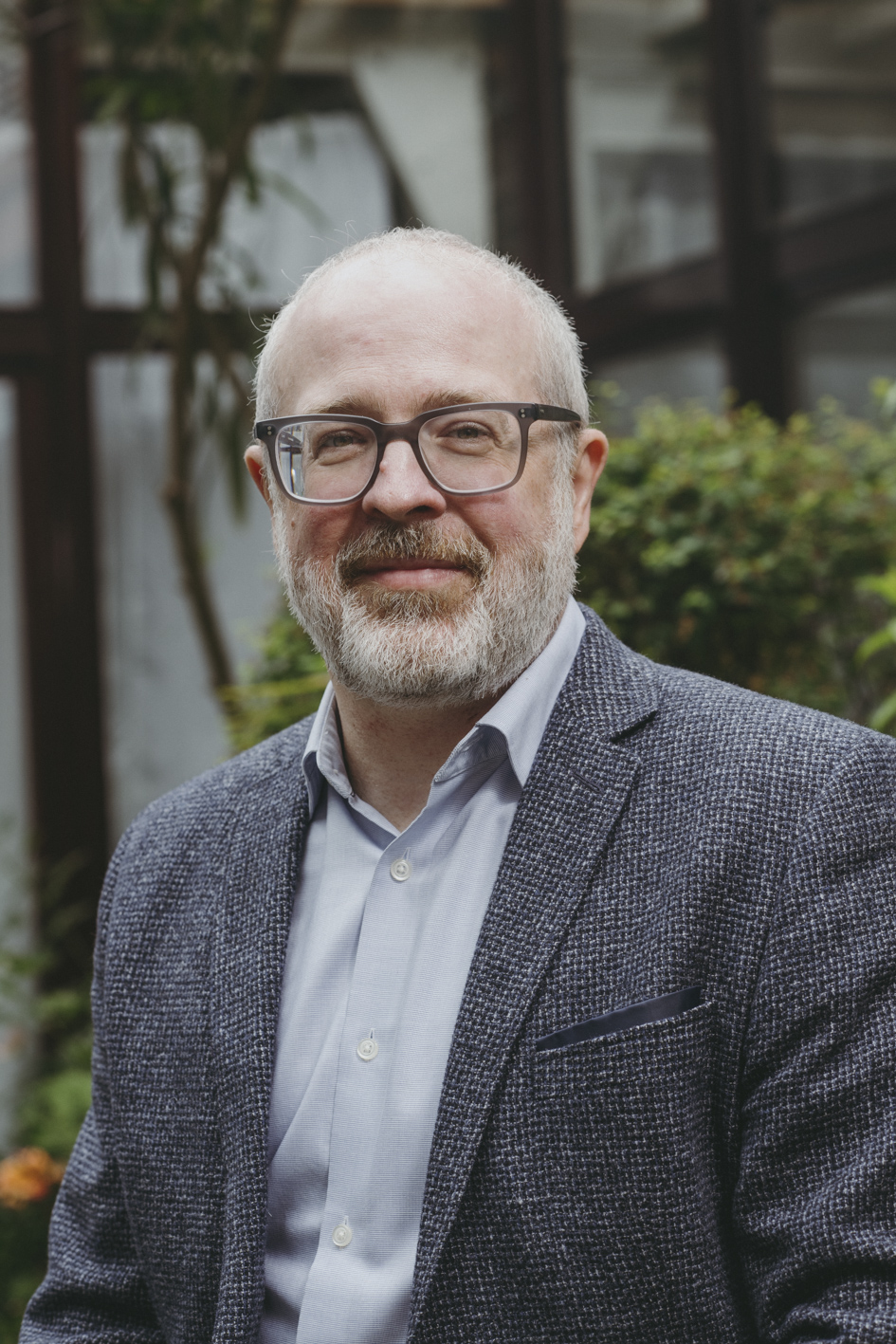
Justin Simpson
Artefactual Systems
United KingdomFrom the Trusted Custodian to the Untrusted Chain: Authenticity Under Zero Trust
Bio
Justin Simpson is Managing Director of Artefactual Systems, the open source company behind Archivematica and AtoM. He joined in 2012 as a senior software developer and led Archivematica technical services from 2013, working with cultural memory institutions worldwide on digital preservation and archives management systems. His iPRES papers include work on checksums and modern filesystems and on preservation action registries. Kelly Stewart is Chief Archivist at Artefactual Systems, responsible for keeping the company’s direction answerable to the archival profession and for its partnerships with institutions and the wider community. She has worked in archives, records, and information management for more than thirty years. She holds a Master of Archival Studies from the University of British Columbia and has taught in that programme as adjunct faculty. She has served as a director of the Association of Canadian Archivists Foundation, and joined Artefactual in 2017.
Abstract
Traditional archival theory locates authenticity in custody. From Jenkinson’s moral defence of archives, where a record is authentic because it has remained in the unbroken care of a trustworthy keeper, to the diplomatics-based framework of InterPARES, which presumes authenticity from a trusted custodian and documented procedures, the discipline has answered “can we believe this record?” by asking who has held it, and how. Authenticity, understood as identity together with integrity, is inferred from an intact chain of custody. The trusted digital repository is that answer in institutional form. There is a limit to that answer. In April 2026, the weather station at Paris Charles de Gaulle airport was manipulated to move prediction markets, and the falsified readings passed to the national forecasting centre with custody intact. Forecasters warn that coordinated, plausible-looking manipulation across many stations would probably not be detected. Data-driven AI raises the stakes; the forecasters’ remedy is “continuous accountability along the chain.” Digitisation has the same shape: capture devices, processing pipelines, repositories, and the intelligent layers built over digitised and born-digital content inherit the integrity of every link beneath them. Unbroken custody of a falsified record is still unbroken custody. Zero trust, formalised in NIST SP 800-207, begins from the opposite premise: never trust, always verify. A single point of trust is a single point of failure, so every handoff between systems or organisations must be verified rather than assumed from who owns the record or what container it sits in. Applied to the memory supply chain, that premise covers every system, service, and pair of hands between a record’s creator, its current custodian, and its future consumers. Zero trust asks not “whom do we trust?” but “what can be verified without trusting anyone?” The chain of custody no longer ends at the archive door. The point of digitising and describing collections is use: data extraction, linked data, machine learning, access layers that meet the record far from its keeper. The future consumer may be a researcher, a court, or a model in training; none of them can stand in the reading room and take the keeper’s word. Every intelligent layer inherits the authenticity of the records beneath it; where authenticity cannot be shown, intelligence inherits doubt. We argue that zero trust does not discard archival authenticity; it relocates its evidentiary basis, from presumption grounded in institutional trust to demonstration grounded in checkable, record-borne evidence. Drawing on our early experiments applying zero trust standards and tools to preservation workflows, we examine what this shift means for provenance, chain of custody, and the professional authority of the archivist, and close with three questions any institution can take home: if your pipeline or storage were compromised tomorrow, what could your records still prove? Which of your preservation claims are computed, and which are asserted? Could the next custodian verify your records without you in the room? Diplomatics and zero trust are complementary: zero trust computationally enforces what diplomatics could previously verify only by the trained eye.
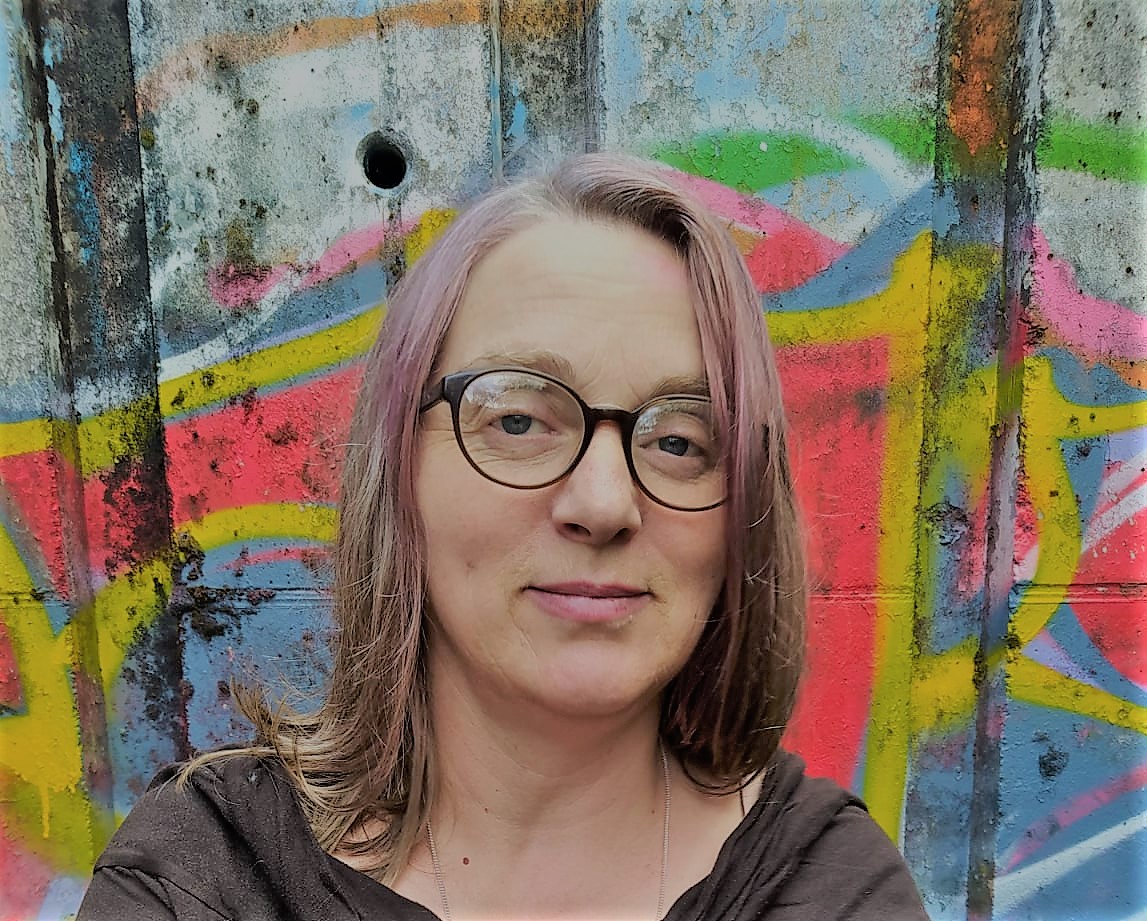
Patricia Sleeman
UNHCR
GlobalDigitization in a humanitarian context
Bio
Patricia Sleeman is the Archivist (Digital Preservation) with UNHCR’s Global Data Service in Geneva. She established the digital preservation service in 2013. She specializes in digital preservation, digitization, and information governance, supporting UNHCR operations in the management, preservation, and accessibility of digital and analogue information assets. Patricia has worked with the University of London and National Archives of Ireland. She leads the development of policies, standards, and guidance that help ensure UNHCR records remain secure, accessible, and preserved for future operational, legal, and historical needs. Twice winner of the Digital Preservation Award with UNHCR (based on 25 years of record keeping and with the University of London). woof
Abstract
UNHCR operates in a highly diverse and often unpredictable humanitarian environment. Unlike libraries, archives, or cultural heritage institutions that typically work with stable collections, dedicated facilities, and long-term preservation mandates, UNHCR must manage information across emergency responses, refugee operations, field offices, headquarters functions, and rapidly changing operational contexts. As a result, digitization projects can vary significantly in scale, complexity, risk profile, resource availability, and business purpose. A digitization project in a large archival repository such as a National Library or Archives will have completely different set up to a UNHCR field operation who may seek to digitize active files to support day-to-day programme delivery, reduce operational risk, or improve access to information during emergencies but the content is of long term value. Despite these differences, there is a digitization model that can be applied across all UNHCR operations in the form of UNHCR guidance and toolkit on digitization. A first in a humanitarian context. However equipment, staffing, technical standards, resources, storage arrangements, security requirements, and timelines must be adapted to the specific objectives and circumstances of each project. Nevertheless, while every project is different, all digitization initiatives require a common structure to ensure consistency, quality, accountability, and compliance. Successful projects follow a structured lifecycle comprising planning, preparation, digitization, and post-digitization activities. This includes defining objectives, assessing risks, identifying stakeholders, establishing technical standards, planning for information security and personal data protection, implementing quality assurance measures, and ensuring appropriate long-term storage and access arrangements. A structured approach enables UNHCR personnel to make informed decisions, manage limited resources effectively, reduce project risks, and ensure that digitized information remains accessible, reliable, and fit for purpose throughout its lifecycle. While flexibility is essential to respond to operational realities, a consistent framework helps ensure that digitization projects deliver sustainable value and support UNHCR’s broader digital transformation objectives. In this presentation i would like to present the work we have done in developing the guidance and implementing it and the sucesses and failures.
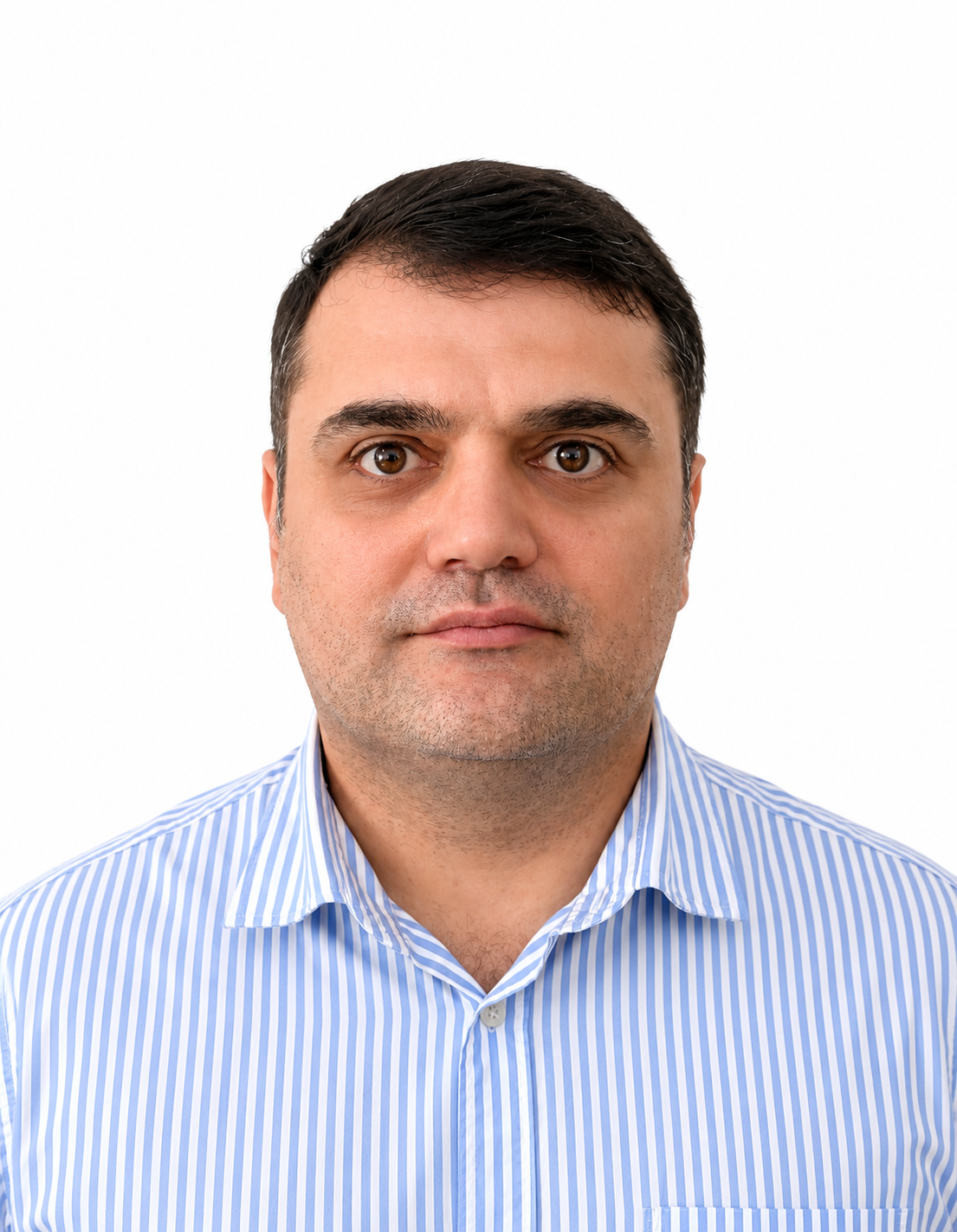
Giorgi Sophromadze
National Archives of Georgia
GeorgiaSystemic Land Registration and Digital Transformation of Archival Documents
Bio
Giorgi Sopromadze currently serves as the Deputy General Director of the National Archives of Georgia, a role he has held since December 2021, following his appointment as Acting Deputy General Director in May 2020. The strategic direction and institutional supervision of access to national archival holdings, service quality assurance, and the deployment of digital retrieval systems are all included in his executive management portfolio. Along with overseeing reading room operations, interagency contacts, and public enquiries from both domestic and foreign entities, he also acts as the official in charge of proactive disclosure and public information accessibility. Over the course of his nearly two-decade service at the National Archives, Giorgi Sopromadze has demonstrated progressive leadership in several important operational divisions. He held several roles in the Division of Registry, Protection, and Information of the National Archival Fonds as a Senior Specialist and Specialist (2009–2012) before taking on his role as Head of the Division of Information and Usage of National Archival Fonds (2012–2021). In 2008, he began working for the organization as a Contract Specialist in the Division of Information and International Relations. He received a Bachelor of Arts in Humanities from Ivane Javakhishvili Tbilisi State University (2009) and a Master of Arts in Cultural Management from Ilia State University (2015). In 2019, he completed specialized training on Public Administration Reform in Georgia to supplement his managerial background.
Abstract
The main topic of this presentation is the critical role of historical documents preserved in the National Archives of Georgia during the Systemic Land Registration project carried out between 2023 and 2025. It outlines the multi-phase workflow, including the processing, high-volume scanning, uploading to a specific digital platform, and delivering archival records directly to land registrars. Approximately 15,000 household books from 850 rural municipalities were systematically processed as part of this project. The initiative made it possible to retrieve property rights and associated individual records in less than a minute by digitizing and simplifying this large dataset; all that was needed was a person’s full name and location. The Systemic Land Registration project emphasized the urgent need to digitize earlier historical records from 1930 to 1985, even if its main focus was on archival documents from 1986 to 2007. Throughout almost the whole twentieth century, documents produced during this time period have been excellent primary sources for historical land use, property relations, and family genealogy. By converting these older collections into digital format and incorporating them into a single information system, public access will be greatly improved, historical administrative gaps will be filled, and citizens’ genealogical history will be safeguarded.
Adnan Sose
International Committee of the Red Cross
SwitzerlandDigitization in the Humanitarian Space: An ICRC Perspective
Abstract
The International Committee of the Red Cross (ICRC) is home to millions of archives (paper and digital born) spanning over 160 years of humanitarian operations. These collections are vital for preserving institutional memory and documenting the humanitarian response for people affected by armed conflict. They play a key role in understanding past and improving future humanitarian action and advancing International Humanitarian Law (IHL). However, the growing size of these collections presents significant challenges in terms of preservation, storage, accessibility, searchability and adapting to a digital world. Onsite access restricts a truly global and inclusive academic engagement with ICRC history, humanitarian action, and IHL. To address these challenges, the ICRC launched a comprehensive initiative to capture, analyze, and archive critical data for memory preservation and improved accessibility. The programme will safeguard digital-born records and will render accessible digitized paper archives through a robust pipeline. Two parallel workstreams address the need for digital and paper-based collections. For digital-born records, the ICRC is leveraging AI to process and preserve vast quantities of data. A key component of this effort is a prototype system designed to extract content from emails and assess their archival value. This system uses AI for auto-classification, name entity recognition, and semantic search. If successful, this model will be scaled institution wide and will be extended to process our multiple business applications. For paper-based records, the ICRC is digitizing 50 million pages. This includes records from the Central Prisoners of War Agency from the Second World War, which contain 36 million index cards documenting the fate of prisoners of war and civilian internees. Additional collections include all ICRC publications from its inception, the library’s heritage collections, and general archives documenting ICRC action from 1863 to 1975. The digitization process begins with preparing physical documents, which are sent to an external provider for bulk scanning. Optical Character Recognition (OCR) and Handwritten Text Recognition (HTR) technology are used to identify metadata, convert handwritten text into searchable digital text, and enhance usability. Rigorous quality control, combining human review with AI, ensure the accuracy of scanned images and extracted data. Once verified, digital files are securely stored, and physical materials are returned. The vast scale of data transfer and storage in this ambitious project required innovative approaches to both processing and preservation. A key success factor was the complementary collaboration between AI and human expertise, which enabled the effective implementation of workstreams while allowing for simultaneous AI training. For example, the AI was trained to balance its assessment of image quality, ensuring that materials deemed acceptable to the human eye were not unnecessarily flagged for rejection. The goal is to deploy a user-friendly website that enables researchers, humanitarians, and the public to explore ICRC’s rich historical collections. To date, more than 7 million physical records have been scanned, with over 3 million successfully validated. By integrating AI with innovative workflows, the aim of the presentation is to showcase the key elements of the various workstreams.
Andy Stauder
READ-COOP SCE
AustriaThe Best of Both Worlds for Genealogy: Combining Light-weight, Collaborative, Non-profit AI models with ChatGPT & Co.
Bio
Andy Stauder studied Translation Studies as well as Linguistics, Philosophy and Computer Science. His PhD and research focused on the measurement of translation quality with machine- and human-based methods. Also, he worked as a translator, IT manager and project collaborator in academic and EU-funded research projects and took on technical management of the University of Innsbruck’s subsidiary, innsbruck university innovations, in 2012, its management in 2016 and became co-founder and managing director of READ-COOP SCE, the provider of the Transkribus software, in 2019. He now holds the position of Director of Co-operative Relations and manages key partnerships and works closely with the Transkribus R&D team.
Abstract
If you’ve ever tried using AI tools like ChatGPT to decode old family records, you’ve likely hit a wall. While popular commercial AI models are great at summarizing text or chatting, they often struggle with historical documents. They can guess, invent details (“hallucinate”), and omit where a specific fact came from: a nightmare for anyone trying to build an accurate family tree or institutional database. To solve this, a research-driven, non-profit cooperative is building a better approach: combining specialized, lightweight AI models with general AI tools, like ChatGPT. Specialized AI Instead of relying on general-purpose AI to read blurry handwriting or complex historical layouts, these specialized non-profit models perform the heavy lifting right at the source: Direct Image-to-Data Reading: The AI looks directly at scanned pages, microfilm, and historical documents, transforming visual images into structured, searchable data without losing critical context. Handwriting and Damage Resistance: Designed to handle faint ink, bleed-through, curved lines, and tricky historical scripts, it dramatically reduces errors compared to traditional optical character recognition (OCR). Verifiable Source Proof: Every extracted name, date, or location is linked directly to its precise location on the original image, accompanied by a reliability score. You can instantly double-check the AI’s work against the original record. From Historical Records to Public Access By placing accurate, verifiable data into tools like ChatGPT, you get the best of both worlds: the precision of dedicated historical AI paired with the interpretive and text-processing power of large-scale commercial tools. What this means for researchers: Several large-scale data extraction projects have already been successfully run using these collaborative models to transform massive collections of historical records into searchable records and databases. These powerful models are now being prepared for public release, opening up unprecedented possibilities to create searchable historical archives for family historians and researchers alike. Built for the Public Good Because these tools are developed by non-profit and cooperative initiatives (like READ-COOP/Transkribus) in partnership with public and private archives, companies, libraries, museums, family historians and genealogical organizations, the technology remains community-owned, transparent, and focused on open access rather than commercial profit. By combining lightweight, precise AI extraction with popular conversational tools, genealogy is becoming faster, more accurate, and accessible to everyone.
Kelly Stewart
Artefactual Systems
CanadaFrom the Trusted Custodian to the Untrusted Chain: Authenticity Under Zero Trust
Abstract
Traditional archival theory locates authenticity in custody. From Jenkinson’s moral defence of archives, where a record is authentic because it has remained in the unbroken care of a trustworthy keeper, to the diplomatics-based framework of InterPARES, which presumes authenticity from a trusted custodian and documented procedures, the discipline has answered “can we believe this record?” by asking who has held it, and how. Authenticity, understood as identity together with integrity, is inferred from an intact chain of custody. The trusted digital repository is that answer in institutional form._x000D_ _x000D_ There is a limit to that answer. In April 2026, the weather station at Paris Charles de Gaulle airport was manipulated to move prediction markets, and the falsified readings passed to the national forecasting centre with custody intact. Forecasters warn that coordinated, plausible-looking manipulation across many stations would probably not be detected. Data-driven AI raises the stakes; the forecasters’ remedy is “continuous accountability along the chain.” Digitisation has the same shape: capture devices, processing pipelines, repositories, and the intelligent layers built over digitised and born-digital content inherit the integrity of every link beneath them. Unbroken custody of a falsified record is still unbroken custody._x000D_ _x000D_ Zero trust, formalised in NIST SP 800-207, begins from the opposite premise: never trust, always verify. A single point of trust is a single point of failure, so every handoff between systems or organisations must be verified rather than assumed from who owns the record or what container it sits in. Applied to the memory supply chain, that premise covers every system, service, and pair of hands between a record’s creator, its current custodian, and its future consumers. Zero trust asks not “whom do we trust?” but “what can be verified without trusting anyone?”_x000D_ _x000D_ The chain of custody no longer ends at the archive door. The point of digitising and describing collections is use: data extracti
Zbyšek Stodůlka
National Archives of the Czech Republic
Czech RepublicAdapting to the Changing Nature of Appraisal in the Era of Datafication
Bio
Zbyšek Stodůlka (MA in History and German) is a senior digital archivist at the National Archives of the Czech Republic. For more than 15 years, his research and professional practice have focused on digital preservation, records management and the use of digital technologies to enhance transparency in public administration. Since 2013, he has been a member of the National Digital Archive team, which provides infrastructure for the appraisal, preservation and access to digital archival records for more than 80 archives across the Czech Republic. He was a member of the European Archives Group (EAG) sub-group on Archiving by Design until the conclusion of its work in May 2026. He is also a member of the Archival Scientific Board, the Board of the National Film Archive in Prague, and the Data Governance Working Group of the Government Council for the Information Society. Alongside his professional work, he teaches at Charles University in Prague and Masaryk University in Brno.
Abstract
Digital transformation is changing not only the types of records transferred to archives, but also the very nature of archival appraisal. Traditional digital preservation strategies often assumed that records would be exported primarily from electronic records management systems (ERMS) and transferred to archives in a limited number of preferred preservation formats. While this approach remains suitable for many types of digital records, it is becoming increasingly difficult to apply to complex digital objects, specialised data and continuously evolving information systems. At the same time, waiting until the end of an information system’s lifecycle to address archival requirements is increasingly impractical. Important information about structure, dependencies, functionality and context may already have been lost, while technically feasible preservation options may have become severely limited. This makes the Archiving by Design methodology developed by the European Archives Group increasingly relevant, as it promotes the integration of archival and preservation requirements into the active lifecycle of information systems and digital objects, rather than addressing them only at the end of that lifecycle. The presentation will discuss how these developments are being addressed in the current phase of the National Digital Archive project (NDA III). One of its outputs has been a revision of the National Standard for Archival Formats, significantly broadening its scope in July 2026. Alongside established categories such as textual documents, still images, email, audiovisual materials, databases and geospatial data, the revised standard now addresses biomedical data, scientific and research data, models, algorithms and outputs of AI/ML systems, as well as cloud platforms and collaborative software. These new categories illustrate a fundamental challenge. Records in these areas often take the form of complex digital objects combining multiple specialised formats, metadata, software dependencies, external services, databases, models or executable components. Preservation can therefore no longer be understood simply as migration from one file format to another preferred archival format. Appraisal must increasingly include an understanding of the significant properties of digital objects: which characteristics, relationships, structures, behaviours and contextual information are essential for their future interpretation and reuse. This does not necessarily mean preserving every technical component unchanged. Rather, it requires informed decisions about what needs to be retained, what can be transformed, and which dependencies must be documented or preserved. The presentation will argue that digital appraisal is consequently becoming a continuous, risk-based process closely connected with preservation planning. Archives need to engage with digital records earlier, understand increasingly heterogeneous technical environments, and develop approaches that preserve as much as possible of their significant properties for future interpretation, access and reuse. In the current era of datafication, archival data may be reused much sooner and for purposes that were not originally anticipated, including research, public access, AI and other data-driven applications. Ensuring that such data remain understandable, reliable and reusable is therefore increasingly important not only for future use, but also for information protection and institutional resilience.
Douglas Strandberg
Swedish University of Agricultural Sciences
SwedenOnboarding Landscape Architecture Archives to the Cultural Heritage Cloud: A Networked Approach to Digital Transformation
Bio
Douglas Strandberg has a Master’s degree in archival science from Lund University and is working with the landscape architecture archives at the Faculty of Landscape Architecture, Horticulture and Crop Production Sciences at the Swedish University of Agricultural Sciences. His tasks vary from cataloging materials according to archival standards, migration of analog formats to digital equivalents and digitization of LA material to be published on the cultural heritage platform ALVIN. https://www.kultur.lu.se
Abstract
Landscape Architecture (LA) records safeguard the memory of Europe’s designed landscapes—gardens, parks, infrastructures, and urban and rural open spaces—and are crucial for managing and adapting the built environment amid urbanisation, climate change, and biodiversity loss. Yet these collections remain highly fragmented, with uneven digitisation, metadata practices, and interoperability, leaving much of this heritage absent from Europe’s digital research infrastructure. This presentation demonstrates how network-based peer learning is helping to transform dispersed collections into interoperable resources for the European Collaborative Cloud for Cultural Heritage (ECCCH)._x000D_ We introduce the Network of European Landscape Architecture Archives (NELA, est. 2019; https://www.nela-archives.org/) and its sister projects ConnectLAA (COST Action CA23128, 2024–2028; https://connectlaa.eu/) and E-KONE (ECHOES cascading grants programme, 2026–2028). ConnectLAA currently gathers over 170 specialists from 39 European countries—two-thirds from Inclusiveness Target Countries—across landscape architecture, archival science, cultural heritage, art history, and information technology, forming a cross-disciplinary community of practice. Here we draw on the experience of four institutions—in Austria, Hungary, France and Sweden—that have established digitisation workflows, where LA holdings are described to archival standards and are publicly accessible through national and European aggregators such as Europeana. The value of these examples lies partly in their differences: two university archives, a museum and a municipal archive, each addressing similar problems under different mandates and with different resources. This makes their solutions adaptable rather than tied to one institutional model._x000D_ Among the key experiences and lessons learned so far: 1) Direct, situated exchange travels better than written guidance: A short scientific mission placing a French archivist at the Archive of Austrian Landscape Architecture enabled hands-
Yelyzaveta Terentieva
University of Amsterdam
NetherlandsFrom Formal Transparency to Practical Interpretability: WOOLens for Open Government Data
Bio
Yelyzaveta Terentieva is a Research Master’s student in Media Studies (Cultural Data and AI) at the University of Amsterdam, working within the ICAI Open Government Lab on AI for open government data. Her research interests include AI and governance, agency and infrastructure, critical dataset studies, and knowledge production in AI systems. WOOLens, an AI pipeline for making Dutch Freedom of Information dossiers interpretable, was presented at the AIOG workshop at ICAIL 2026 in Singapore.
Abstract
Access to government information is a key condition for democratic accountability, yet formal transparency does not automatically ensure practical usability. Many countries have adopted Freedom of Information Acts, offering unprecedented access to government documents, but their full potential is often not realised. For example, in the Netherlands, Woo dossiers are typically published as merged PDF files with limited structure, making them difficult to navigate. This presentation introduces WOOLens, an end-to-end pipeline that transforms Woo dossiers into structured, navigable formats through document segmentation, type classification, date extraction, and timeline visualisation. Two pipeline variants were evaluated, an OCR-based and a VLM-based approach, with a Panoptic Quality score of 0.640 for the VLM pipeline compared to 0.458 for the OCR baseline. A usability evaluation complements the technical assessment. The findings reinforce the argument that transparency must be designed, not merely declared.
Maria Pia Tiseo
Università degli Studi della Basilicata – DSW LAB (UniNa)
ItalyFrom digitised documents to training data: opportunities and challenges of HTR for medieval archival collections
Bio
Maria Pia Tiseo graduated in Historical Sciences from the University of Naples Federico II in 2022, with a thesis in Palaeography and Diplomatics Studies (Supervisor: Antonella Ambrosio). She is currently a PhD candidate at the University of Basilicata, where she is conducting research in medieval history with a palaeographic–diplomatic approach and the integration of digital methods, as part of the PRIN 2022 project The Cloister and Power (P.I. Francesco Panarelli). She is a member of the Laboratory of Historical Documents on the Web (UniNa), coordinated by Antonella Ambrosio, contributing to the development of digital archives, digital scholarly editions, and the international portal Monasterium.Net. Her international training includes the “Digital Scholarly Editing” masterclass at Saarland University (Germany), organized by the Institute for Documentology and Scholarly Editing (February 2024), and an Erasmus mobility period at the Centre for Digital Humanities of the University of Graz (February-June 2025). She has gained teaching experience by delivering a course in Palaeography and Diplomatic Studies at the School of Archival Studies, Palaeography and Diplomatics of the State Archives of Naples (60 hours, January-February 2024) and by collaborating in the activities of the DSWLab. She has participated as a speaker in several national and international conferences, including the ICARUS Conventions, conferences connected to the above-mentioned PRIN project, the 23rd Colloquium of the Comité international de paléographie latine, and Colloquium CID/ DiDip 2026.
Abstract
The increasing availability of digitised archival collections has opened new possibilities for the application of Handwritten Text Recognition (HTR) to medieval documentary sources. Yet moving from digital images to reliable and reusable textual data is not a straightforward process: training an HTR model requires a series of decisions concerning transcription criteria, dataset composition, representativeness, evaluation, and the relationship between automated recognition and expert intervention. How can HTR models be effectively trained on heterogeneous medieval documentary collections, and what opportunities and limitations does this process entail for archival research and access? This paper discusses these issues through the case study of the documentary corpus of the Benedictine monastery of S. Maria della Grotta in Vitulano (Benevento), in Southern Italy, consisting of charters produced between the thirteenth and fifteenth centuries by numerous notaries and in different geographical contexts. The research presented here stems from a doctoral project carried out at the University of Basilicata (Supervisor: Francesco Panarelli), and is developed within the research activities of the DSW Lab at the University of Naples Federico II (Resp. Antonella Ambrosio), in collaboration with the DiDip project at the University of Graz (Resp. G. Vogeler). The project explores the development and training of HTR models for medieval notarial scripts, starting from existing pretrained models and progressively adapting them to the documentary corpus. The training and evaluation process was carried out using both Transkribus andeScriptorium. Particular attention is devoted to the creation of Ground Truth and to the consequences of editorial choices for model training. Two different transcription layers have been tested: a diplomatic Ground Truth preserving abbreviations, and a more normalised version in which abbreviations are expanded. Their comparison raises a broader question concerning the type of textual output that archival institutions may wish to produce and preserve for future reuse. The experience also highlights the difficulty of defining a representative training set for a heterogeneous archival corpus. Chronology, scribal hands, writing types all affect recognition performance. Nevertheless, some of the trained models achieved Character Error Rates below 10%, demonstrating the potential of specialised HTR approaches even for complex medieval notarial scripts. At the same time, these results also show the limits of relying on a single accuracy metric. Quantitative evaluation through Character Error Rate therefore needs to be complemented by qualitative error analysis. Experiments conducted on selected documents show that recurrent recognition errors may reveal specific weaknesses of a model and help identify documentary groups for which further training or human correction is required. This case study considers HTR as part of a workflow in which archivists, diplomatists, historians and palaeographers interact with computational methods to improve access to large documentary collections and to turn digitised documents into reusable research data.
Pablo Toussaint
Authentic Memory
GermanyProtecting Truth in a Synthetic Age: Why Every Archive Must Anchor Authenticity Now
Bio
Pablo Toussaint is Founder and Director of the Global Authentic Memory Initiative (Authentic Memory gUG). He is studying for a master’s degree in geophysics at LMU.
Abstract
Generative AI has made it trivial to imitate a voice, a face, a document. The danger for archives is not only that convincing forgeries can now be produced — synthetic images purporting to show Auschwitz already circulate online — but that authentic records can be waved away with a single sentence: that could be AI. Scholars call this the liar’s dividend (Chesney & Citron, 2018): once everyone knows anything can be faked, bad-faith actors dismiss genuine evidence at no cost. Over the past year, GAMI has worked with the German Federal Archives (Bundesarchiv) and the Dachau and Flossenbürg memorial sites to anchor digitised records against this threat. This panel reports what that work required in practice and what transfers to other institutions. GAMI is open, non-profit infrastructure that produces independently verifiable proofs of a file’s existence, integrity, and institutional provenance, without ever centralising the files themselves. Three open, layered technologies make this possible: a cryptographic fingerprint (SHA-256) that uniquely identifies each file, an institutional digital signature (asymmetric cryptography) that attributes it to the archive, and a distributed timestamp anchored in the Bitcoin blockchain that fixes when it demonstrably existed. It does not certify what is true and does not detect deepfakes; it protects authentic material from being wrongly dismissed as fake. Files never leave the institution, and verification requires trust in no company, not even GAMI. Three further lessons transfer directly. First, the value of anchoring is time-sensitive: a record anchored in 2026 is provably not a later synthetic fabrication, because such fabrications were not yet feasible, whereas the same record anchored in 2032 proves only that it existed then. Second, digitisation on its own is fragile — the effort invested in it is undermined the moment deepfakes let anyone cast doubt on the resulting files, so authentication is not an add-on to digitisation but the condition that protects its value. Third, the cryptography is the easy part; governance is the hard part: key custody, published institutional identity, batching cadence and signing authorisation are where the real decisions live — and keeping the trust path clear of GAMI itself (institutions sign with their own keys, verification trusts no company) is precisely what made the memorial sites comfortable. Participants leave able to answer three questions for their own institution: what their team does, what GAMI does, and what a pilot would require — and, we hope, to debate where the preservation duty to anchor now begins.

Corina Nicola Tugui
University of Architecture and Urban Planning ”Ion Mincu”
RomaniaReconstructing Architectural Archives: From Anonymous Documents to an Integrated Digital Research Platform. The Case of Haralamb Georgescu
Bio
Corina (Nicola) Țugui Romanian architect and PhD candidate at the “Ion Mincu” University of Architecture and Urban Planning (UAUIM), Bucharest. Doctoral research focuses on the work and professional trajectory of the Romanian-American architect Haralamb (Bubi) Georgescu (1908–1977), combining architectural history, archival research, field documentation and digital heritage methodologies. Research interests include modern architecture, architectural heritage, archival studies, digital documentation and the dissemination of architectural knowledge through exhibitions and digital platforms. Nearly ten years of professional experience in architectural practice, beginning with an internship in Poland and continuing within ARTLINE, an architectural office in Bucharest led by Prof. Radu Teacă. Professional activity includes residential, collective housing, public and heritage-related projects, multidisciplinary design coordination and construction supervision. Contributed to award-winning architectural projects recognised at the Romanian National Biennale of Architecture, the Bucharest Architecture Annual and Romanian Design Week. Teaching assistant at UAUIM (2020–2025), Department of Architectural Design Fundamentals, involved in second and third-year architectural design studios, supporting students throughout the design process from site analysis to project development. Current research also encompasses the curation of the exhibition Haralamb Georgescu. Romania – United States: Modernist Dialogues, dedicated to the architect’s work in Romania and the United States. The project includes the development of an accompanying digital platform integrating archival documents, vectorised drawings, historical and contemporary photography, digital reconstructions and research findings, designed as a replicable model for improving access to fragmented architectural archives and supporting future research on modern architectural heritage.
Abstract
Architectural archives are increasingly being digitised; however, the mere conversion of analogue documents into digital formats rarely addresses the fundamental challenge of architectural research: the reconstruction of fragmented knowledge. Twentieth-century architectural archives are often dispersed across multiple institutions and private collections, while architectural drawings, historical photographs and administrative records frequently lack essential metadata, including project names, locations, dates or authorship. Consequently, digitisation alone does not guarantee meaningful accessibility, interpretation or reuse. This paper proposes a digital research workflow for reconstructing fragmented architectural archives, using the work of Romanian-American architect Haralamb (Bubi) Georgescu (1908–1977) as a case study. Rather than treating digitisation as an isolated technical process, the research considers it the final stage of a broader methodology that combines archival investigation, historical interpretation, field documentation and digital integration. The methodology begins with the identification and collection of documents preserved in municipal archives, university collections, professional journals and archival holdings in Romania and the United States. A central component of the research addresses the attribution of anonymous historical photographs that survive without captions, dates, locations or project identification. Their recognition requires systematic comparison with original architectural drawings, building permits, published sources and in situ surveys of surviving buildings. This process enables the reconstruction of reliable metadata and establishes meaningful relationships between heterogeneous archival sources. Once contextualised, the original drawings are digitally vectorised and standardised, while field documentation records the current condition of the buildings through contemporary photography. These materials are subsequently integrated with digital and physical 3D models developed for a public exhibition dedicated to Haralamb Georgescu. The exhibition is complemented by an online platform that brings together archival documents, analytical texts, historical and contemporary photographs, vectorised drawings and digital reconstructions within a searchable research environment. The paper argues that the principal challenge in architectural digitisation is not the production of digital copies, but the reconstruction of contextual knowledge that enables archival material to become interoperable, searchable and reusable. By combining archival research, metadata reconstruction, field investigation and digital dissemination within a single workflow, the proposed methodology transforms dispersed documentary evidence into an integrated digital archive. Although developed through a single architectural corpus, this workflow is conceived as a transferable model for documenting and disseminating fragmented archives of twentieth-century architecture. The research demonstrates how digital platforms can function not only as repositories of digitised material but also as infrastructures that connect historical documentation, scholarly interpretation and public engagement, thereby contributing to the long-term preservation and accessibility of modern architectural heritage.
Harry Verwayen
Europeana
NetherlandsWelcome Round Table of DTI Alliance Partners (reflecting on opening impulse)
Bio
Harry Verwayen is the General Director of the Europeana Foundation, the organization that stewards the common European data space for cultural heritage. He is dedicated to supporting museums, libraries, and archives across Europe in their digital transformation, focusing on how data governance, cultural heritage, and AI intersect to make collections openly accessible as public resources. [1, 2, 3, 4, 5]
Cristina Villanueva
University of the Philippines Baguio
PhilippinesStrengthening Indigenous Research: The Archives Digitization Efforts of the University of the Philippines Baguio
Bio
Cristina B. Villanueva is currently the Sections Head of the Cordillera/Northern Luzon Historical Archives and the Cordillera Studies Collection Library of the University of the Philippines Baguio, Philippines. As the only staff at the Archives she has singlehandedly devised the digitization workflow of the Archives.
Abstract
This paper chronicles the digitization efforts at the Cordillera/Northern Luzon Historical Archives of the University of the Philippines Baguio. The C/NLHA, established in 2007, was envisioned to collect, catalog and preserve papers thereby advancing research on the indigenous peoples of the Cordillera Region of the Philippines. The journey of the Archives was far from smooth or easy. Operating on limited resources both in terms of finance and human resource for most of those years, the gargantuan workload required cleaning and preserving the physical copies of donated, deposited, loaned out and purchased papers of renowned individuals who made enduring contributions to the growth of the Region starting from the American colonial period. With the acquisition of a planetary scanner and a document management software, the tasks of converting analog papers to digital formats gained headway. The digitization workflow was standardized through constant learning, researching standard archival practices, and knowing the collection. The digitization workflow apart from the physical preservation of documents included providing index terms in controlled and natural language. Further, extended research on photographs that are of interest to researchers was carried out to ensure that documents on local knowledge and culture are easily accessible. With the growing interest by local as well as international researchers on Cordillera studies, the Archives has now added sharing and electronic document delivery to researchers. Document delivery and resource sharing is free in exchange for copies of finished research outputs. The task of making available to online researchers digitized documents aligns with the objective of making research efficient by eradicating the limitations of time and distance. This keeps in mind that Archives exist to serve. If archives want to amplify the voices of indigenous as well as the marginalized peoples research should be made efficient and documents should be openly and freely available.
Ines Vodopivec
AI4LAM, National library of Norway, Stanford University
SloveniaArtificial Intelligence as a Strategic Driver for Cultural Heritage Transformation: Global Practices and Emerging Frameworks
Bio
Associate Professor Dr. Ines Vodopivec is deeply committed to advancing digitization theory and practice within heritage institutions on an international scale. Her notable roles include serving as Deputy Director of the National and University Library of Slovenia, and Vice Dean at Nova University in Ljubljana, being a dedicated member of the UNESCO Memory of the World National Committee, and participating as a member of the IFLA Digital Humanities – Digital Scholarship Committee. More recently, she assumed the role of Secretary General of AI4LAM, working with the National Library of Norway and Stanford University Library, USA, further solidifying her leadership and influence in the fields of digital heritage and innovative methodologies. She is also a Management Board Member of the Europeana Network Association.
Abstract
Artificial intelligence (AI) has entered a decisive phase in the cultural heritage domain, reshaping how memory institutions create, manage, interpret, and disseminate knowledge. As digital collections expand and user expectations evolve, AI is no longer an experimental add‑on but a structural component of digital transformation strategies. Within AI4LAM coordinated efforts are underway to establish shared methodologies, governance models, and technical frameworks that support responsible, interoperable, and sustainable AI adoption across the GLAM sector. This presentation examines the current landscape of AI implementation in cultural heritage, drawing on international case studies and collaborative projects developed within the AI4LAM network. It highlights how AI supports advanced processing of large‑scale digital collections across LAM, including AI‑driven metadata enrichment, automated text and image recognition, speech‑to‑text transcription, 3D and pictorial analysis, enhanced web harvesting, intelligent agents for data accessibility, and evaluation frameworks that ensure transparent, reliable, and ethically grounded computational workflows. These capabilities open new pathways for research, discovery, and access, allowing institutions to reveal previously invisible relationships within their holdings and to support new forms of scholarly inquiry. At the same time, AI supports operational efficiency by reducing repetitive manual tasks and enabling staff to focus on higher‑value interpretative and curatorial work. The work of AI4LAM demonstrates that successful AI adoption requires not only technological readiness but also organisational maturity, cross‑institutional collaboration, and a shared strategic vision. An additional essential component is systematic knowledge exchange and the establishment of a strong foundation through partnerships. Finally, the session will consider how cultural institutions can strategically prepare for the next phase of digital transformation. As AI becomes embedded in professional workflows, decision‑making processes, and public‑facing services, institutions must adopt forward‑looking strategies that integrate AI into organisational planning, staff development, and digital infrastructure. The aim of the presentation is to provide a comprehensive overview of global trends, challenges, and opportunities, and to encourage dialogue on how the cultural heritage sector can harness AI in a coordinated, responsible, and ambitious manner.
Georg Vogeler
University of Graz
AustriaInspirations From Digital and Distant Diplomatics & Monasterium Next Generation – Hands-on on a AI supported research environment of medieval charters
Bio
Georg Vogeler is a trained historian, specialized in Historical Auxiliary Sciences and Digital Humanities. He researched late medieval administrative records, charters of Emperor Frederic II (1198-1250), digital scholarly editing, Semantic Web technologies, and machine learning methods for humanities research problems. He is PI of the ERC Advanced Grant “Form Digital to Distant Diplomatics” (https://didip.eu), where he studies the research possibilities created through the data collected in the Monasterium.net portal, and Co-PI of the FWF Special Research Group “Managing Maximilian”, engaging in prosopographical research on the people in the environment of Emperor Maximilian I. (1459-1519, [https://managing-maximilian.net)]https://managing-maximilian.net). He was lead the national consortium that has recently built a dedicated high-performance-computing infrastructure for the Humanities (DHInfra.at). He is engaged in several research projects on digital scholarly editing of historical sources and musicological prosopography. He is founding member of the Institut für Dokumentologie und Editorik (https://i-d-e.de) and technical lead of the Monasterium.net consortium.
Abstract
Inspirations From Digital and Distant Diplomatics Panel by Georg Vogeler Eight short talks explore how digitisation and digital methods are opening up new possibilities for the study of historical documents. Seven contributions showcase research drawing on the rapidly growing Monasterium.net collection, presenting innovative tools for handwritten text recognition, visual analysis, text reuse detection, automatic annotation and geographical exploration. Through concrete examples, the speakers demonstrate how AI-supported methods can reveal previously hidden connections between documents, scribes, places and documentary traditions. These contributions feature Anguelos Nicolaou, Nicolas Renet, Tamás Kovács, Thea Schaaf, Niklas Tscherne, Florian Atzenhofer-Baumgartner. Complementing these perspectives, Marco Ciampo and Christian Marcantonio turn to the preservation and digitisation of documentary heritage with their presentation, “A Collection That Outlived the Flames: Digitising Medieval and Modern Parchments at the State Archives of Naples.” Workshop 1 – Monasterium Next Generation – Hands-on on a AI supported research environment of medieval charters by Georg Vogeler Discover the next generation of Monasterium.net through a guided, hands-on introduction to its new AI-supported research environment. Participants will explore more than 750,000 medieval charters using advanced search, filtering, handwritten text recognition, georeferencing and visual or textual similarity tools. After the introduction, they can experiment with sample tasks or pursue their own research questions with support from the DiDip project team: Anguelos Nicolaou, Nicolas Renet, Tamás Kovács, Thea Schaaf, Niklas Tscherne, Florian Atzenhofer-Baumgartner.
Francesco Zambonin
Authentic Memory
GermanyProtecting Truth in a Synthetic Age: Why Every Archive Must Anchor Authenticity Now
Bio
Francesco Zambonin holds a PhD in the history of forgery from Sorbonne University and Padua University. He leads institutional partnerships and outreach at GAMI, focusing on memorial sites, archives and museums in France, where he works as a public servant at the City of Paris.
Abstract
Generative AI has made it trivial to imitate a voice, a face, a document. The danger for archives is not only that convincing forgeries can now be produced — synthetic images purporting to show Auschwitz already circulate online — but that authentic records can be waved away with a single sentence: that could be AI. Scholars call this the liar’s dividend (Chesney & Citron, 2018): once everyone knows anything can be faked, bad-faith actors dismiss genuine evidence at no cost. Over the past year, GAMI has worked with the German Federal Archives (Bundesarchiv) and the Dachau and Flossenbürg memorial sites to anchor digitised records against this threat. This panel reports what that work required in practice and what transfers to other institutions. GAMI is open, non-profit infrastructure that produces independently verifiable proofs of a file’s existence, integrity, and institutional provenance, without ever centralising the files themselves. Three open, layered technologies make this possible: a cryptographic fingerprint (SHA-256) that uniquely identifies each file, an institutional digital signature (asymmetric cryptography) that attributes it to the archive, and a distributed timestamp anchored in the Bitcoin blockchain that fixes when it demonstrably existed. It does not certify what is true and does not detect deepfakes; it protects authentic material from being wrongly dismissed as fake. Files never leave the institution, and verification requires trust in no company, not even GAMI. Three further lessons transfer directly. First, the value of anchoring is time-sensitive: a record anchored in 2026 is provably not a later synthetic fabrication, because such fabrications were not yet feasible, whereas the same record anchored in 2032 proves only that it existed then. Second, digitisation on its own is fragile — the effort invested in it is undermined the moment deepfakes let anyone cast doubt on the resulting files, so authentication is not an add-on to digitisation but the condition that protects its value. Third, the cryptography is the easy part; governance is the hard part: key custody, published institutional identity, batching cadence and signing authorisation are where the real decisions live — and keeping the trust path clear of GAMI itself (institutions sign with their own keys, verification trusts no company) is precisely what made the memorial sites comfortable. Participants leave able to answer three questions for their own institution: what their team does, what GAMI does, and what a pilot would require — and, we hope, to debate where the preservation duty to anchor now begins. We can deliver this as an 8-minute panel presentation, or as a hands-on workshop that opens up the full backend — following one file through fingerprinting, signing and anchoring. Ideally we would like to do both: the panel to frame the stakes and lessons, the workshop to show the structure in depth.
Miklós Zsámboki
Blinken OSA Archivum (at Central European University)
HungaryThe Teenager Party Digitization Project: Impetus for Self-Reflection?
Bio
Miklós Zsámboki is Outreach and Community Archivist at the Blinken OSA Archivum in Budapest, Hungary. He is interested in community archiving and working with active NGOs and media organizations, and pursues an MA in Archives and Records Management at Aberystwyth University. His responsibilities at the Archivum include processing, reference services, the coordination of archives internship and volunteer programs, and participation in promotion campaigns and public projects related to the holdings. Currently, he leads the Teenager Party Digitization Project. Zsámboki has a background in contemporary art theory and curation.
Abstract
The Blinken OSA Archivum preserves some 5,000 letters and postcards written, in the 1970s, by teenagers from Socialist Hungary to Munich, West Germany, to the popular music radio program Teenager Party, broadcast on Radio Free Europe/Radio Liberty. In 2025, we launched the Teenager Party Digitization Project, aimed at 1) scanning all letters, 2) creating detailed item-level metadata, and 3) publishing the collection on a dedicated website featuring advanced discovery tools and search options. Physical preparation, image making, metadata creation are undertaken by interning high-school and university students. The website, intended for academic as well as general audiences, is scheduled to go live in March 2027. This talk presents the qualitative survey assessing the educational and social impact of archival engagement through the Teenager Party Digitization Project. Survey participants were asked to reflect on their experience of working with original paper-based documents, interpreting and mediating information, and connecting with the lived realities of the teenage correspondents. Drawing on students’ narratives, the survey explores how the project shaped their understanding and use of primary sources and fostered historical empathy.
Organized by:
Supported by:
The members of DTI are: