Conference Programme & Detailed Schedule
Explore the DTI Prague 2026 programme below.
Start with the Programme at a Glance for a quick overview of the three conference days, or scroll down to the
for all sessions, speakers, presentation titles and timings.
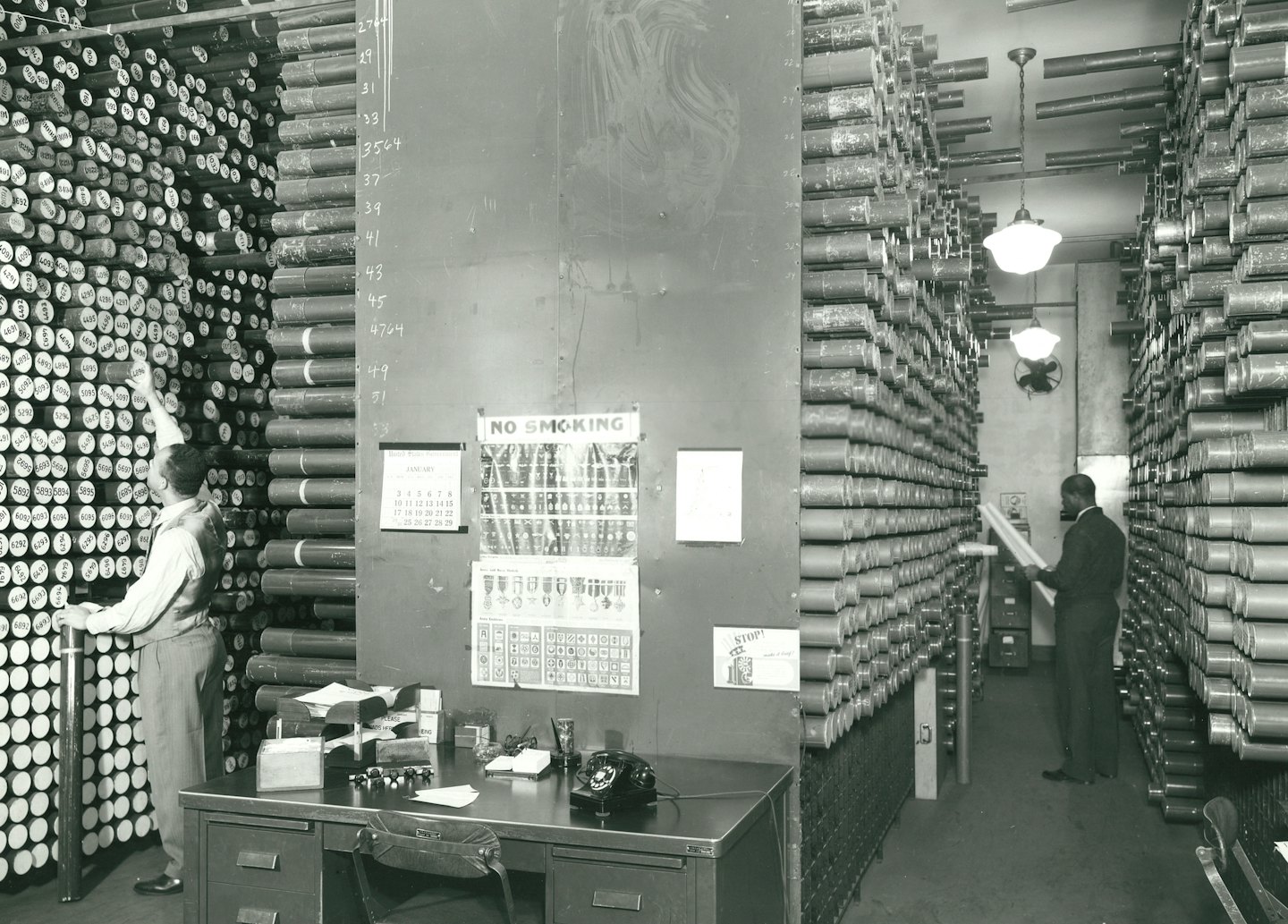
Digitise –
From Digitisation to Transformation

18 November

Teresian Hall/Main Stage
Wednesday
10:00–12:00
Registration & Welcome Coffee
12:00–12:20
Opening Impulse
12:20–12:50
Welcome Round Table of DTI Alliance Partners
13:00-14:10
Session 1
Scaling Digitisation: From Shelf to Data
14:35-16:05
Session 2
Before It Is Lost: Digitising and Safeguarding Archives at Risk
16:30-17:05
DTI Lightning Stage – DIGITISE! Projects Around the World
17:05-18:25
Session 3
Trusting the Digital Archive
18:25-19:20
Open Floor /
Speakers’ corner
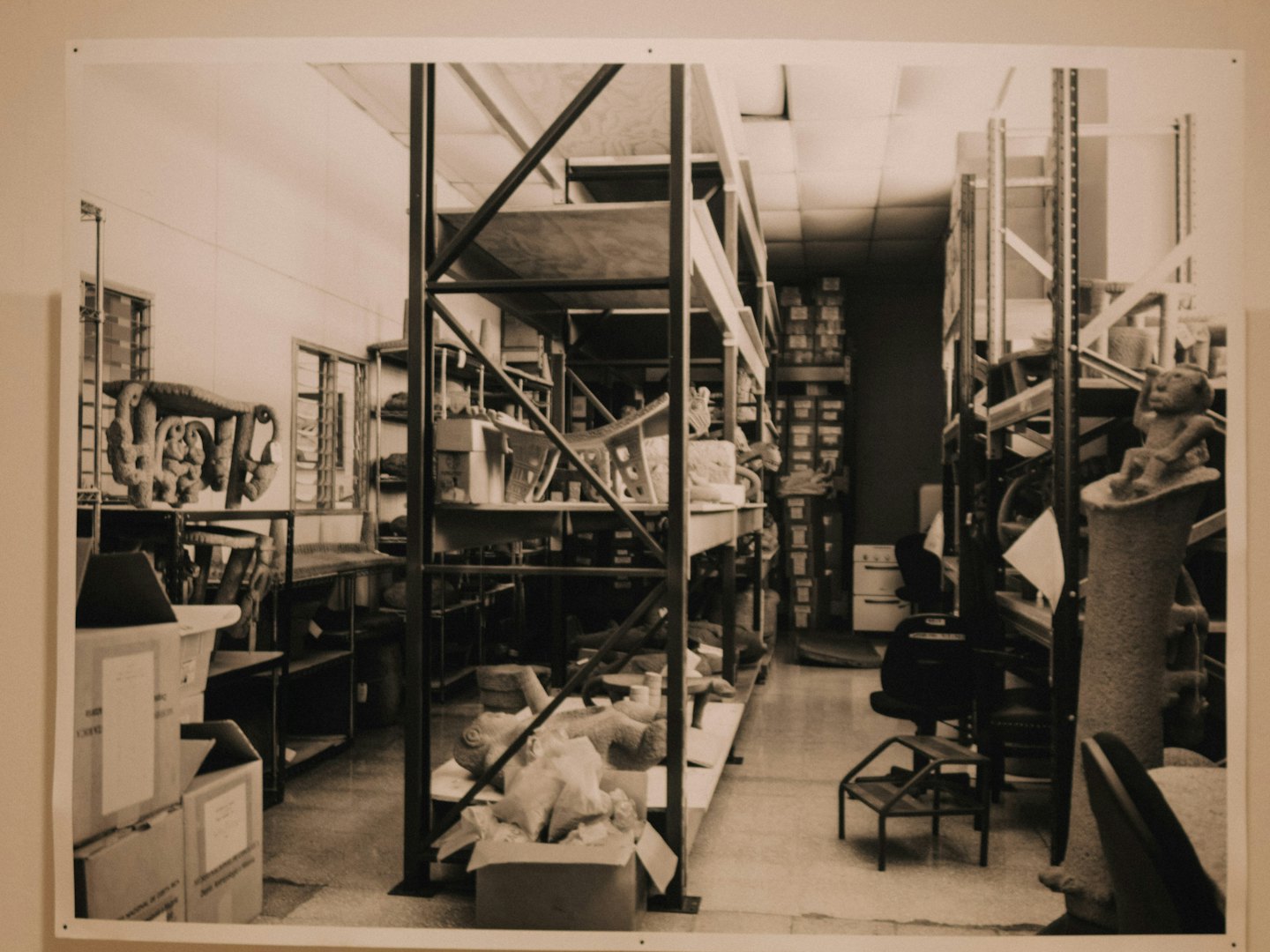
Transform –
From Archives to Intelligent Data
19 November
Teresian Hall/Main Stage
Thursday
9:00-10:25
Session 4
AI in the Archive: From Experiments to Practice
10:50-12:00
Session 5
Beyond Search: New Ways into Archives
12:00–13:30
Lunch
13:30-14:50
Session 6
Archives, Crisis and Resilience
15:15-15:50
DTI Lightning Stage – TRANSFORM! Experiments, Tools & New Approaches
15:50-16:35
DTI Forum – From Conference to Collaboration: What should we do together?
17:00-18:20
Session 7
Rethinking the Digital Archivist
18:20-19:15
Open Floor /
Speakers’ corner
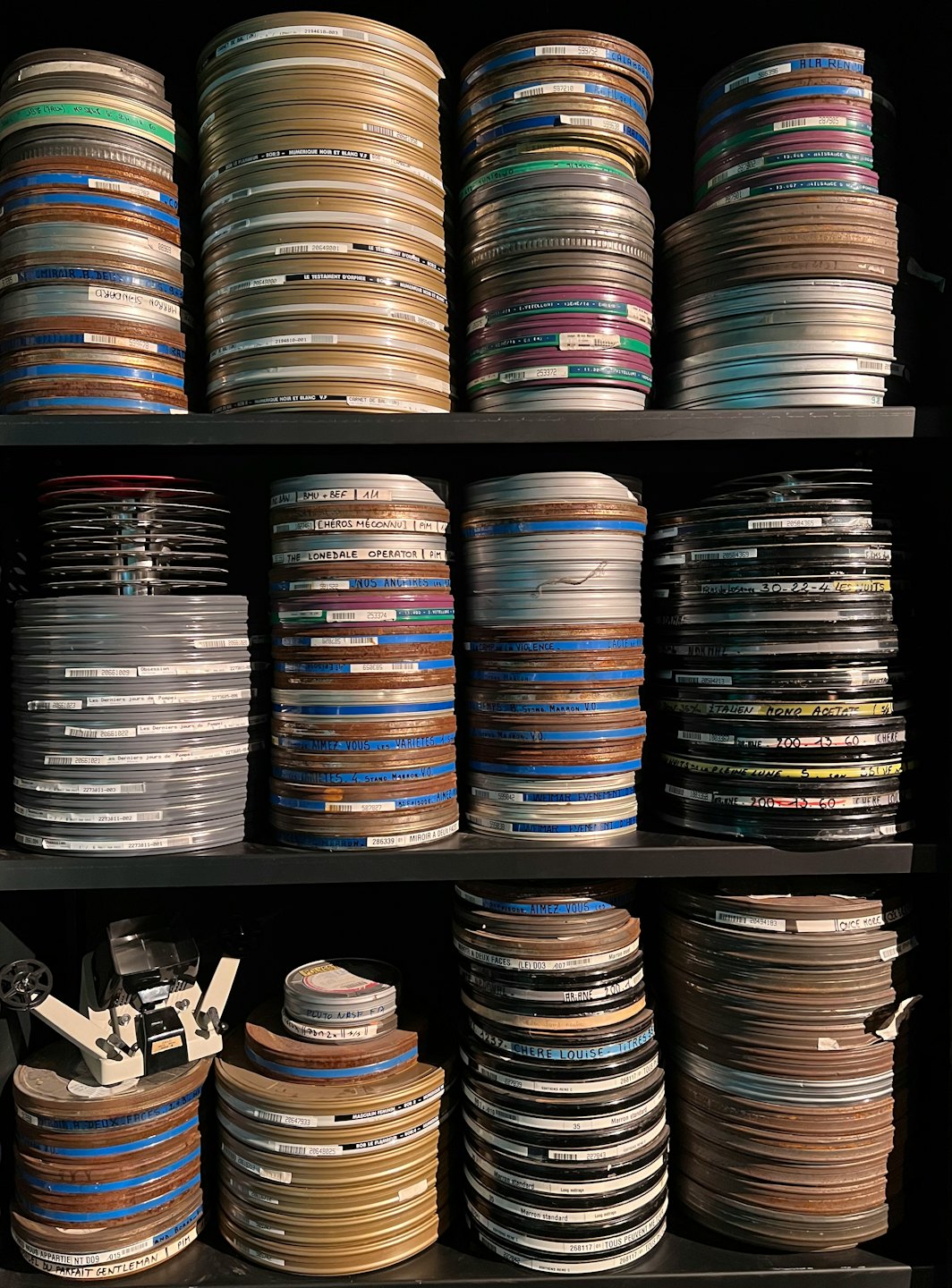
Inspire –
From Collections to Communities
20 November
Teresian Hall/Main Stage
Friday
8:40-9:00
Morning Reflection: From Transformation to Inspiration
9:00-10:15
Session 8
Whose Memory? Archives and People
10:35-11:50
Session 9
From Collections to Communities
11:55-12:20
From Ideas to Action – Six Ideas from the DTI Forum – Closing of conference
All times are local time in Prague (CET). Programme subject to change.
Wednesday — 18 November
DIGITISE – From Digitisation to TransformationOpening impulse
Dean Serrentino (Historiq/US)
Amplifying the
Archivist: 10x Faster Arrangement and Description Through Archivist-Centered Technology
Welcome Round Table of DTI Alliance Partners (reflecting on opening impulse)
TBA
Session 1 – Scaling Digitisation: From Shelf to Data
Featured impulse
Daniel
Gullo (The Malta Study Center at the Hill Museum & Manuscript Library/US)
Digitizing
Complexity and Scale in the Archives of the Priory of Pisa at the State Archives of Florence
Presentation
Frank Owen
(Max Communictations/GB)
From Shelf to Search: AI-Assisted Digitisation Pipelines for Granular
Digital Archives
Presentation
Catherine
Cosgrove (Findmypast/The British Newspaper Archive/GB)
Beyond Digitisation: Building and
Sustaining the British Newspaper Archive
Presentation
Alexander
Boix (Archive of Social Democracy/DE)
Beyond the Scan: Quality Assurance and Preservation of
Digitized Audiovisual Materials
Panel discussion
What does digitisation at scale
really require?
Session 2 – Before It Is Lost: Digitising and Safeguarding Archives at Risk
Featured impulse
Pernille
Fjoran (Archivists without Borders/NO)
Who gets to be digital? Inequalities in the
digital transformation of archives
Presentation
Jessica
Ramirez Mendoza & Adnan Sose (International Committee of the Red Cross/CH)
Digitization in the Humanitarian
Space: An ICRC Perspective
Presentation
Patricia
Sleeman (UNHCR/GL)
Digitization in a humanitarian context
Presentation
Saman
Quraishi (CEPT University, CEPT Archives/IN)
Digitisation by Improvisation: Jugaad, Labour,
and Learning in Architectural Archives
Presentation
Thomas
Hengst (FamilySearch/DE)
It´s not just about genealogy! Safeguarding archival heritage around
the globe
Presentation
James Mutua
(Kenya National Archives and Documentation Service/KE)
Kenya – Digitizing Africa’s Documentary
Heritage: The Murumbi Africana Collection
Moderated discussion
What must we digitise
before it is too late?
Inspirations From Digital and Distant Diplomatics Panel by Georg Vogeler
Eight short talks explore how digitisation and digital methods are opening up new possibilities for the study of historical documents. Seven contributions showcase research drawing on the rapidly growing Monasterium.net collection, presenting innovative tools for handwritten text recognition, visual analysis, text reuse detection, automatic annotation and geographical exploration. Through concrete examples, the speakers demonstrate how AI-supported methods can reveal previously hidden connections between documents, scribes, places and documentary traditions. These contributions feature Anguelos Nicolaou, Nicolas Renet, Lukas Waldhofer, Thea Schaaf, Niklas Tscherne, Florian Atzenhofer-Baumgartner and Sandy Aoun. Complementing these perspectives, Marco Ciampo and Christian Marcantonio turn to the preservation and digitisation of documentary heritage with their presentation, “A Collection That Outlived the Flames: Digitising Medieval and Modern Parchments at the State Archives of Naples.”DTI Lightning Stage – DIGITISE! Projects Around the World – 10 × 3-minute lightning talks
Petria de Vaal (De Vaal
& De Vaal Information Brokers/ZA)
The “selection” challenge in South Africa when planning
to digitise
Gabriela Manuli
(International Press Institute/ARG)
IPI digitises 75 years of press freedom history
Sipho Mkhonta (Eswatini
National Archives and Records Service/SZ)
Digital transformation: The story of Eswatini
National Archives and Records Service (ENARS)
Francis Mwangi (The Kenya
National Archives and Documentation Service/KE)
From Paper to Digital: Lessons from the
Digital Transformation Journey at the Kenya National Archives and Documentation Service
Codruta Mihailovici(
National Archives of Romania/RO)
Memory on Glass: From Vision to Digital Access – Digitising
the Glass Plate Negative Collection of the National Archives of Romania
Emerson Bryan (Cayman
Islands National Archive/KY)
From Paper to Public Value: The Experience of Digitizing Public
Records in Barbados
Domagoj Cicko (State
archives in Zagreb/HR)
Coping with construction documentation – challenges and
possibilities
Corina Tugui (University of
Architecture and Urban Planning ”Ion Mincu” RO)
Reconstructing Architectural Archives: From
Anonymous Documents to an Integrated Digital Research Platform. The Case of Haralamb Georgescu
Miklós Zsámboki (Blinken OSA
Archivum (at Central European University/HU)
The Teenager Party Digitization Project: Impetus
for Self-Reflection?
T. Csaba Reisz (National
Archives of Hungary/HU)
The Cadastral Map: An Overlooked Missing Bridge in the Georeferencing
of Historical Maps
Letizia Dalle Vedove
(Fondazione Bruno Kessler/IT)
Mapping Landscape Transformations: A Deep Learning Pipeline for
Vectorising Historical Land Use from the Austrian Cadastre of Trentino
Monica Del Rio (Archivio di
Stato di Venezia/IT)
Digitising the Cadastre in State Archives of Venice: A Cooperative Model
for Large-Scale Archival Projects under the PNRR
Ulrike Krippner (BOKU University,
Vienna/AT)
Onboarding Landscape Architecture Archives to the Cultural Heritage Cloud: A
Networked Approach to Digital Transformation
Flora Orthmayr (Budapest
City Archives/HU)
Plan Beyond the Project
Workshop 1 – Monasterium Next Generation – Hands-on on a AI supported research environment of medieval charters by Georg Vogeler
Discover the next generation of Monasterium.net through a guided, hands-on introduction to its new AI-supported research environment. Participants will explore more than 750,000 medieval charters using advanced search, filtering, handwritten text recognition, georeferencing and visual or textual similarity tools. After the introduction, they can experiment with sample tasks or pursue their own research questions with support from the DiDip project team.Short break
Session 3 – Trusting the Digital Archive
Featured impulse
Justin
Simpson & Kelly Stewart (Artefactual Systems/GB/CA)
From the Trusted Custodian to the Untrusted Chain:
Authenticity Under Zero Trust
Presentation
Francesco
Zambonin (Authentic Memory/DE)
Protecting Truth in a Synthetic Age: Why Every Archive Must
Anchor Authenticity Now
Presentation
Vanessa
Rebernig (Das Dokumentationsarchiv des österreichischen Widerstandes (DÖW)/AT)
Presenting
Sensitive Archival Materials Online
Presentation
Yelyzaveta
Terentieva (University of Amsterdam/NL)
From Formal Transparency to Practical
Interpretability: WOOLens
Presentation
Mark
Barnekow (Joseph Glasco Charitable Foundation/US)
Who Will AI Remember? Rebuilding Joseph
Glasco’s Knowledge Graph
Panel discussion
Can we still trust what we
see?
Open floor / speakers’ corner
Meet & Greet with the speakers of the day – an opportunity for individual questions and informal exchange.
Concert (Choir, Oboe)
Reception
Thursday — 19 November
TRANSFORM — From Archives to Intelligent DataSession 4 – AI in the Archive: From Experiments to Practice
Featured impulse
Sibel
Karakoc (SUNY Binghamton University/US)
From Ottoman Archives to Digital Archives: Artificial
Intelligence, Accessibility, and the Future of Ottoman Historical Research
Presentation
Andy Stauder
(READ-COOP SCE/AT)
The Best of Both Worlds for Genealogy: Combining Light-weight,
Collaborative, Non-profit AI models with ChatGPT & Co.
Presentation
Tomáš Musil
(Masarykuv ústav a Archiv AV CR, v. v. i./CZ)
From Archival Documents to Connected Historical
Data
Presentation
Celia
Iglesias Caballero (National Archives of Spain. Ministry of Culture/ES)
AI Projects in
Governance and Inter-administrative Cooperation
Presentation
Guenter
Muehlberger (University Innsbruck/AT)
From Newspaper Clippings to Intelligent Archival
Data
Discussion
From AI experiments to archival
practice
Workshop 2 – ARCHION (sponsored)
How can artificial intelligence make millions of handwritten church records accessible without weakening source criticism? This workshop presents ARCHION’s new Handwritten Text Recognition service, which opens up approximately 32 million digitised images from participating archives. Participants will discover its dual approach—systematic transcription of key collections and on-demand processing of individual records—and discuss the opportunities and challenges of integrating AI into an authentic archival environment.Session 5 – Beyond Search: New Ways into Archives
Featured impulse
David
Haskiya (Riksarkivet – Swedish National Archives/SE)
Beyond Search: AI Research Assistants and
the Future of Archival Inquiry
Presentation
Álvaro Ruiz
Cuevas (Independent professional/FR)
Rethinking Access to Archives with Cartographic
Interfaces
Presentation
Giorgi
Sophromadze (National Archives of Georgia/GE)
Systemic Land Registration and Digital
Transformation of Archival Documents
Presentation / demo
Sergiu Gordea (AIT Austrian Institute of Technology/AT)
Interactive
exploration of Historical documents through advanced knowledge graph visualizations
Discussion
What comes after the search box?
Workshop 3 – Ottoman Collaborative by Sibel Karakoc and Kent Schull
Explore how artificial intelligence can open Ottoman archives to new audiences and new kinds of research. Using Handwritten Text Recognition, AI-assisted indexing and source-grounded natural-language interaction, the Ottoman Collaborative transforms census records and other manuscripts into searchable resources. The workshop highlights opportunities for tracing individuals, families, occupations, places and social networks while creating meaningful connections between Ottoman history and present-day communities.Session 6 – Archives, Crisis and Resilience
Featured impulse
Marlon
Muronzi (Young Climate Activism in Zimbabwe/ZW)
From Displacement to Data: Participatory AI
Workflows for Documenting Climate-Threatened Heritage in Southern Africa
Presentation
Milena
Dobreva (University of Strathclyde/GB)
Smarter Data, Greener AI
Presentation
Sabeeh
Farhan (Wasit University/IQ)
From Digital Heritage Records to Participatory Reconstruction:
GIS–3D–VR Framework for Post-Conflict Mosul
Presentation
Elisaveta
Markovikj (State Archives of the Republic of North Macedonia/MK)
From Disaster Response to
Digital Resilience: Building an Integrated Protocol for Emergency Preparedness, Salvage, and Recovery of
Archival Materials after Floods and Fire
Presentation
Cristina
Villanueva (University of the Philippines Baguio/PH)
Strengthening Indigenous Research: The
Archives Digitization Efforts of the University of the Philippines Baguio
Discussion
Who controls digital heritage in
times of crisis?
Workshop 4 – AI-assisted research in digitised archives by David Haskyia
What happens when an AI assistant can work directly with trusted archival collections? In this hands-on workshop, participants will connect to the Swedish National Archives’ experimental MCP service and explore fonds descriptions, open datasets and millions of HTR-transcribed pages. Working with real research questions, they will test searching, summarising, translating and collating records—and critically examine hallucinations, misattribution and gaps in coverage. No programming experience is required.DTI Lightning Stage – TRANSFORM! Experiments, Tools & New Approaches – 10 × 3-minute lightning talks
Renato Augusto (Arquivo
Historico de Mocambique/National Archives/MZ)
Implementing AtoM database System to facilitate
Access of Remote users to Archival holdings at Mozambique Historical Archives: Challenges and
Perspectives.
Vlatka Lemic (University of
Zagreb/ ICARUS/HR)
University archives on the Vizbi.UNIZG portal – an example of a
collaborative approach for open access to academic heritage
Peer Boselie
(AEZEL.eu/NL)
The donkey-project ‘revisited’
Paul Nixon (Historic Records
Limited/UK)
Digitise, Transform, Inspire: A Collaborative Platform for Unified Archival
Discovery and Licensing
Emel Sherif Miftar (Ss.
Cyril and Methodius University, Skopje/MK)
Inspiring Access to Balkan Islamic Educational
History: The Interwar Gazi Isa Bey Madrasa Archival Selection
Myrteza Sharra (General
Directorate of Archives of Albania/AL)
From Reading Room to Distributed Archival Service: The
Archive Corner as a Model for Researcher-Centred Access in Albania
Suren Abrahamyan (Max
Communications/UK)
Quality Control at the Point of Capture: Software Tools for
Digitisation
Martin Rechtorik (National
Archives Czech Republic/CZ)
Beyond Databases: Using dbDIPview for Long-Term Preservation and
Access to Digital Archives
Laia Lorenzo-Serra
(Universitat Politčcnica de Catalunya/ES)
From Scarcity to Strategy: Transforming Records
Management at the Universitat Politčcnica de Catalunya
Paul Mullon (COR Concepts
Information Management Consulting/ZA)
Rethinking Records Management in the Multiverse:
Leveraging Artificial Intelligence and Emerging Technologies
Pavlína Nimrichtrová
(National archives of the Czech republic/CZ)
AI driven archival appraisal
Maria Pia Tiseo (Università
degli Studi della Basilicata – UNINA DSWLab)
From digitised documents to training data:
opportunities and challenges of HTR for medieval archival collections
Irina Schmid (American
University in Cairo/EG)
AI-Assisted Metadata Generation for Press Photography Collections: A
Critical Evaluation and Implications for Archival Practice
DTI Forum – From Conference to Collaboration: What should we do together?
Six thematic working tables; one concrete collaborative action per table
Instead,
divide participants into thematic tables:
Table 1 – Digitisation at scale
What
resources/infrastructure could institutions share?
Table 2 – AI & Archives
Where could common
training data, models and tools be developed?
Table 3 – Trust & Authenticity
Does the archival
community need common principles for AI-generated and digitally transformed records?
Table 4 – Global
Access
How can DTI help archives with limited infrastructure?
Table 5 – Skills & Capacity
Building
What training is most urgently needed?
Table 6 – From Collections to Communities
How
can digitised heritage reach people outside traditional archival audiences?
Each table identifies one
concrete collaborative action.
This helps distinguish DTI from a conventional conference:
participants should leave with potential projects and partnerships, not merely information.
Session 7 – Rethinking the Digital Archivist
Featured impulse
Martin
Critelli (Aix-Marseille University/FR)
Navigating the shift: redefining the archivist’s role
in the age of Artificial Intelligence
Presentation
Zbyšek
Stodulka (National Archives of the Czech Republic/CZ)
Adapting to the Changing Nature of
Appraisal in the Era of Datafication
Presentation
Heather
Faulkner (United Nations High Commissioner for Refugees/CH)
Refugee Archives and the Digital
Reading Room
Presentation
Habibe
Qovanaj (The State Agency of Kosovo Archives/XK)
Digital Transformation of Archival Services:
The Case of the SEMMA System at the State Agency of Kosovo Archives
Discussion
The Archivist of 2035: What do we
stop doing, what do we start doing, and what must never change?
Workshop 5 – Proving Authenticity in the Age of Deepfakes: Inside the Backend That Secures Archival Files by Francesco Zambonin
In an age of deepfakes and synthetic media, how can archives prove that a digital record is authentic? This workshop takes participants inside the Global Authentic Memory Initiative and follows an archival file as it becomes independently verifiable through cryptographic hashing, institutional signatures and blockchain timestamping. The session shows how archives can establish integrity, provenance and proof of existence using open standards—without the original file ever leaving the institution.Open floor / speakers’ corner
Meet & Greet with the speakers of the day – an opportunity for individual questions and informal exchange.
ICARUS Members Forum – a perfect option to share your ideas with the community members
Dinner in Strahov
Informal Evening Get-Together (At Your Own Expense)
Friday — 20 November
INSPIRE — From Collections to CommunitiesMorning Reflection: From Transformation to Inspiration
Ines Vodopivec (AI4LAM, National library of Norway, Stanford
University/SI)
Artificial Intelligence as a Strategic Driver for Cultural Heritage
Transformation
Session 8 – Whose Memory? Archives and People
Featured impulse
Gunther
Reisinger (fluxguide/AT)
MEMORISE: Multimodal Exploration of
Heritage on Nazi Persecution
Presentation
Cor de
Graaf (Erfgoed Leiden en Omstreken/NL)
Dossier071: making WWII police-archives available to
the public
Presentation
Yuval
Lubin (Jewish National Fund (KKL-JNF)/IL)
Unlocking Archival Voices: Leveraging Artificial
Intelligence and Human Expertise to Trace Pre-World War II Jewish Immigration in the JNF-KKL Archives
Presentation
Jind?ich
Kolda Tomáš Pechánek (Time Machine ?esko + Rodinný archiv/CZ)
Reconstructing Local History
as a Collaborative Endeavour: The Broumov Region and the Village of K?inice
Presentation
Milica
Popovic (Cultural Centre “Nikola ?urkovi?” Kotor/ME)
From Scattered Stories to Trusted
Digital Heritage: The Kotor Legends Pilot
Discussion
Who gets remembered in the digital
archive?
Session 9 – From Collections to Communities
Featured impulse
Vesna
Djaic-Skondric (The Archives of the Republic of Srpska/BA)
Beyond Digitisation: Expanding
the
Public Impact of Archives through Cross-Sector Collaboration
Presentation
Shiwani
Kumar (Historified/IN)
From Archive to Audience: Inspiring the Next Generation to Care About
History
Presentation
Lenka
Salingerová (FIT CTU in collaboration with National Archives in Prague/CZ)
Archiquiz: How
Can
Archives Become Engaging Without Sacrificing Authenticity?
Presentation
Mae Lanie
Caro (University of the Philippines Diliman/PH)
From Viewing to Participation: Designing
Interactive Digital Archival Experiences for Community Engagement
Presentation
Chris De
Loof (Europeana Network Association (ENA)/NL)
The Human Face of Digital Transformation: why
archives need networks as much as technology
Discussion
From Access to Engagement: How Do
Archives Build Communities / Communities Build Archives?
From Ideas to Action – Six Ideas from the DTI Forum
One representative from each Thursday working group gets 90 seconds to present its proposed action.
End of conference
Guided Tour 1: Brevnov
Guided Tour 2: Strahov
Guided Tour 3: National Archives
Dinner in Strahov Monastery
Organized by:
Supported by:
The members of DTI are: